

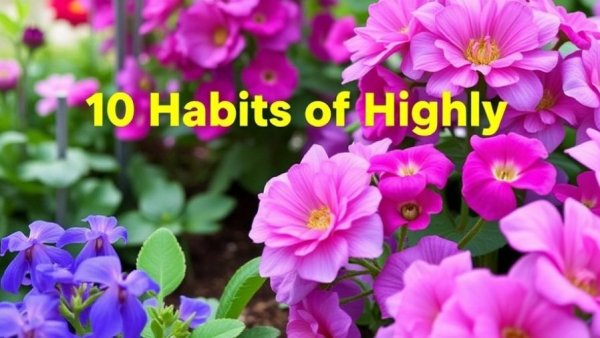
Transform Your Space: 10 Essential Habits for Successful Gardening
Have you ever admired a perfectly manicured garden and wondered how its owner maintains such beauty? Gardening isn't solely about extensive experience or countless hours spent pruning and planting. Instead, it's often about a few key habits that anyone can adopt.
Successful gardening can yield beautiful blooms and nutritious vegetables, transforming your outdoor space into a personal oasis. With the right practices, anyone can cultivate a thriving garden without requiring an arsenal of expensive tools. Here’s how adopting ten simple habits can elevate your gardening game.
1. Plan Your Garden Layout for Optimal Growth
A well-thought-out garden design is foundational to success. Skipping this step can lead to overcrowding and mismatched plants that don't thrive. Take time to sketch out a layout that considers how sunlight falls throughout the day and the expected height of each plant. For example, placing taller plants at the back of flower beds allows for a stunning layered effect while ensuring shorter plants receive adequate sunlight.
Moreover, mix plants with similar watering needs to promote optimal growth. A little planning saves money spent on plants that later fail to flourish.
2. Embrace Seasonal Gardening for Year-Round Appeal
One of the most rewarding aspects of gardening is creating a space that's engaging throughout the year. Seasonal gardening helps achieve this, as it involves selecting plants that showcase beauty during different times of the year. Plant spring bulbs like tulips and daffodils for early blooms, summer perennials for vibrant colors, and evergreens to add structure in the winter months.
Utilize succession planting with raised beds; once you harvest one crop, replace it with another for continuous production. This not only makes efficient use of space but ensures your garden is ever-changing.
3. Prune and Deadhead for Healthy Growth
Regular pruning and deadheading are crucial for maintaining plant health. Removal of spent flowers encourages new growth and prolongs blooming periods. However, it’s important to understand the specific needs of each plant species. Some plants thrive with frequent trimming, while others require very little intervention.
This practice ensures your garden remains vibrant and encourages better air circulation, reducing the likelihood of diseases.
4. Master Companion Planting for Vibrant Gardens
Companion planting involves strategically placing plants that benefit each other, such as when marigolds deter pests from nearby vegetables. This natural form of pest control can reduce the need for chemical treatments, promoting a more organic approach to gardening. Selecting compatible plants also enhances growth, flavor, and yield, making your garden more productive.
5. Establish a Consistent Watering Routine
Watering is fundamental to plant health, but establishing the right routine can be tricky. A consistent schedule helps plants develop deep roots while preventing overwatering, which can harm delicate roots. Late evening or early morning watering reduces evaporation and ensures plants receive adequate moisture.
Consider incorporating rain barrels or drip irrigation systems to improve water efficiency and promote sustainability.
6. Use Mulch to Combat Weeds and Maintain Moisture
Applying mulch to your flower beds not only serves as a weed deterrent but also retains soil moisture. Organic mulch enhances soil fertility as it breaks down, enriching the earth. Additionally, it reduces soil temperature fluctuations, which is beneficial for plant roots.
7. Enrich Your Soil Regularly
Soil health directly correlates to plant vitality. Improving soil with compost and organic matter enhances nutrient levels and fosters beneficial microbial life. This process creates healthier conditions that support plant growth.
Testing your soil regularly can determine its pH and nutrient content, allowing you to adjust accordingly to achieve optimal results.
8. Create a Pollinator-Friendly Environment
Gardens that attract bees and butterflies thrive. Planting flowers that bloom at various times ensures pollinators have a consistent food source. Integrating habitats, such as bee hotels or butterfly-friendly plants, enhances your garden's ecological health.
9. Track Progress with a Garden Journal
Maintain a garden journal to keep track of plant successes and failures. Documenting conditions and plant performance allows you to analyze trends and refine future gardening strategies. Over time, this practice can be invaluable for optimizing your gardening techniques.
10. Follow a Simple Daily Gardening Schedule
Developing a daily routine in the garden can help catch issues before they become significant problems. A few minutes each day monitoring plants allows for early detection of pests, diseases, or watering deficiencies. This proactive approach leads to a more successful gardening experience.
Becoming an accomplished gardener doesn’t require a significant time investment or financial expenditure. By incorporating these habits into your routine, you can cultivate a thriving, beautiful garden that not only enhances your property but also boosts your well-being.
By adopting these simple yet effective gardening habits, you can transform your outdoor space while enjoying the therapeutic benefits of nature. Consider starting with just one habit today and build upon it as you grow in your gardening journey!


Write A Comment