

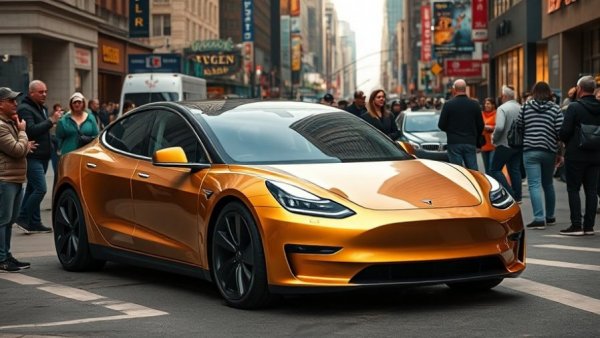
Elon Musk Shifts Gears: A New Future for Tesla
Tesla's Cybertruck, an electric behemoth designed to capture both attention and market share, is facing an unexpected turn. Following a series of underwhelming sales and scrutiny surrounding its design, CEO Elon Musk announced a cessation of Cybertruck production to pivot towards a more futuristic endeavor: the Cybercab. This shift could redefine Tesla's trajectory in the competitive landscape of electric vehicles.
Why the Cybertruck Fizzled
Initially, the Cybertruck generated massive buzz, challenging traditional truck designs with its angular exterior and stainless-steel finish. However, data released by Kelley Blue Book highlighted a staggering decline in sales, with U.S. figures plunging nearly 50% in 2025. Buyers appeared hesitant about the truck's steep pricing and reported quality issues. As Tesla's lead engineer, Wes Morrill, mentioned on social media, ongoing concerns about service and spare parts also clouded future ownership experiences.
The Future Tesla Envisions with Cybercab
The Cybercab, Tesla's groundbreaking two-seat, autonomous vehicle, symbolizes a radical leap in urban transportation. Without a steering wheel or pedals, these electric cars are designed to function entirely on self-driving technology. They’ve already started operating in Austin, pointing towards a vision of a more interconnected, efficient future. Elon Musk's vision clearly indicates that the Texas factory can yield better results by prioritizing the Cybercab over the Cybertruck.
The Transition Period for Cybertruck Owners
For current Cybertruck owners, the outlook remains stable—at least for now. Existing warranties will continue to apply, and service options will remain available to ensure that maintenance concerns don't deter user satisfaction. Yet, for those awaiting delivery of their orders, the situation is less certain. Musk’s candid statements imply refunds may be on the horizon, and potential buyers might be left disappointed as production wraps up in the coming months.
Rethinking Electric Vehicle Strategies
This transition raises important questions about Tesla's broader strategy in the electric vehicle arena. While the Cybertruck represented a significant departure from conventional vehicle design, its sales performance suggests consumers may be looking for something different. The decision to channel resources towards the Cybercab could be a strategic move to align with shifting market demands for sustainable transportation solutions that prioritize efficiency and convenience.
What This Means for the Industry
The automotive landscape is rapidly evolving, and Tesla’s pivot reflects broader trends in consumer preferences towards smart, autonomous technology. With increasing concerns about environmental impact and urban congestion, initiatives like the Cybercab offer promising paths for companies in the electric vehicle market. As technology advances and public sentiments shift, the way forward for automakers may involve more than just innovative designs—it demands adaptability.
Embracing Change in Your Automotive Choices
For homeowners in the 40-65 age group, particularly those who prioritize sustainable living yet desire cutting-edge technology, this development serves as a significant reminder. As you consider your next vehicle, ask yourself: Does this align with what I've come to expect in comfort, reliability, and environmental impact? The shift towards more sustainable and efficient models is not just smart for automakers—it's a necessary evolution.
In light of these changes, engaging with emerging automotive technologies can enhance your own lifestyle, ensuring you’re part of a more sustainable future. Be it through curiosity in electric vehicles or discussions within your community, staying informed keeps you ahead in the modern age.




Write A Comment