

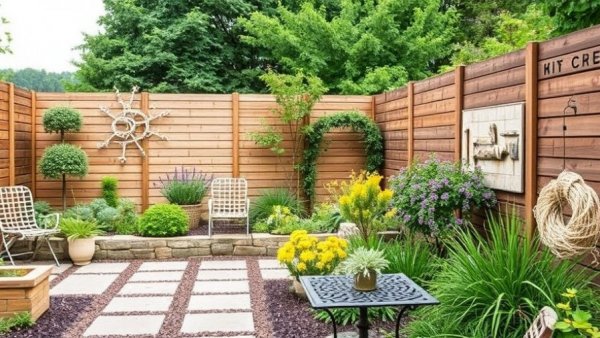
The Fundamentals of Garden Design: Building Blocks for Success
In his insightful book, Gardens, Annotated, Christopher Young highlights seven essential garden design elements that are the backbone of beautiful and functional gardens across all styles and geographical locations. As homeowners, understanding and implementing these elements can significantly enhance the aesthetic and experiential quality of your garden.
Exploring Each Garden Element for Optimal Design
Young emphasizes that while planting is often the most enjoyable part of garden creation, establishing the underlying structure—essentially the 'bones' of the garden—is paramount. Without a solid foundation, the beauty of your plants may go unnoticed. Think of it as furnishing a room without addressing the walls and layout first: it may look cluttered and chaotic.
The seven essential elements, which include pathways, structures, water features, and varied plantings, provide not only aesthetic appeal but also practical functionality. Each of these components contributes to the overall flow and personality of the garden, ensuring that it serves as a personalized outdoor space instead of just a plot of grass.
Why Structure Matters in Your Garden
Structure is critical in any garden, regardless of its style or location. From clipped yew hedges that draw the eye to garden follies that create interest, the arrangement of elements dictates how one navigates through the space. The right paths not only connect different areas but also enhance the overall flow. After all, gardens should be diverse spaces, offering different experiences whether you aim to fill them with laughter, solitude, or wow factor.
Retrofit Your Existing Garden for Enhanced Appeal
If you already have a garden that simply lacks the elements needed to make it sing, don’t worry—there’s still hope. Retrofit existing layouts by identifying missing features and making small adjustments that can lead to substantial improvements. This might involve adding curvilinear paths or incorporating additional layers of plants for texture and interest.
Chris emphasizes that evaluating your space critically is essential. Ask yourself whether the paths are wide enough or if they guide visitors naturally through your garden. Are there spots that need enhancement for better viewing angles or more effective planting? Evaluating these factors will substantially improve the allure of your garden.
Creative Inclusions to Elevate Your Garden Design
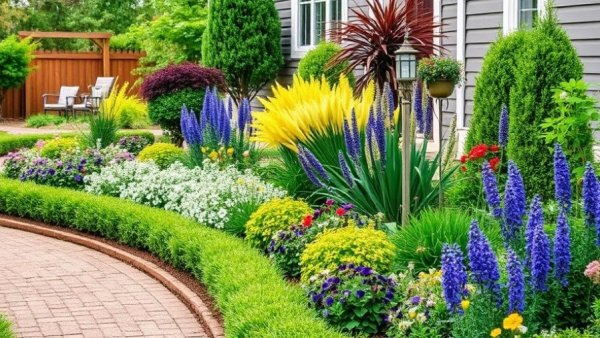
Paths should be more than mere functional routes; they can serve as design statements. Consider transforming a short walk to the bins into an inviting journey through your garden. Build winding paths edged with fragrant planting—perhaps incorporating lavender or rosemary for added sensory impact.
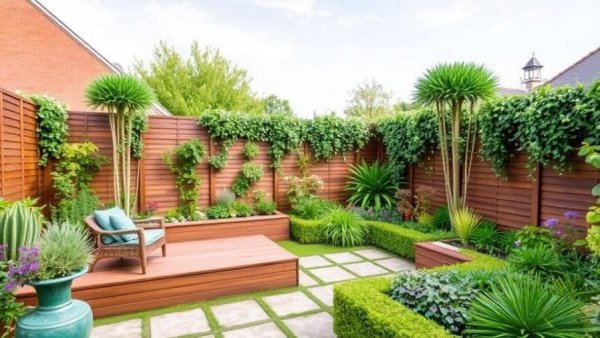
Additionally, structures such as pergolas, arbors, or vertical planting selections can transform blank walls into vibrant displays while also providing shade and allure. Each addition should enhance both the structure and the experience of your outdoor space.
Takeaway: Designing for the Future
Embracing these essential design elements and incorporating them into your garden can help create spaces that not only resonate personally but also transcend basic landscaping. A well-thought-out garden can provide emotional sustenance, enhance property value, and be a dynamo for potential social gatherings. More than simply visual delight, your garden can become a powerful personal sanctuary.
As you consider ways to improve or redesign your garden, take time to reflect on these core elements. By investing thought and care, you can cultivate a garden that offers joy and inspiration year-round.
Ready to embark on your garden transformation? Evaluate your space today, and explore how these essential elements can reinvigorate your outdoor experience, making it a tailored retreat that embodies your taste and lifestyle.


Write A Comment