
cropper
Atlanta Home and Garden Insider
  • Home
  • Categories
    • DIY Projects
    • Sustainable Practices
    • Design Trends
    • Landscaping
    • Lawn and Garden Care
  • Smart Home Tech
  • Interior Design Tips
  • Home Maintenance
November 13.2026
3 Minutes Read

Maximize Your Garden Border Design: Embrace Seasonal Changes

Garden Border Design – How to Go Bigger and Bolder Through the Seasons

Transform Your Garden Borders: A Seasonal Journey

The art of garden border design at Doddington Place Gardens serves as a compelling case study for homeowners looking to revitalize their outdoor spaces. The gardens aren’t merely a collection of plants; they represent a dynamic tableau that evolves through each season, inviting both aesthetic appreciation and a deeper emotional connection.

Understanding the Vision Behind Doddington Place

In a recent visit to Doddington Place Gardens in Kent, I spoke with Amicia Oldfield and head gardener Lucy Adams about their innovative approaches to garden design. With the guidance of designer Kirsty Knight Bruce, the once humble Sunken Garden transformed from narrow borders and a central pond into a thriving tapestry of flora. The key? An intentional design that encourages a crescendo of growth and color as the seasons change. “She designed it to build up as a crescendo as the season goes on,” Amicia explains, emphasizing the importance of verticality in garden design.

Creating Depth and Height in Small Spaces

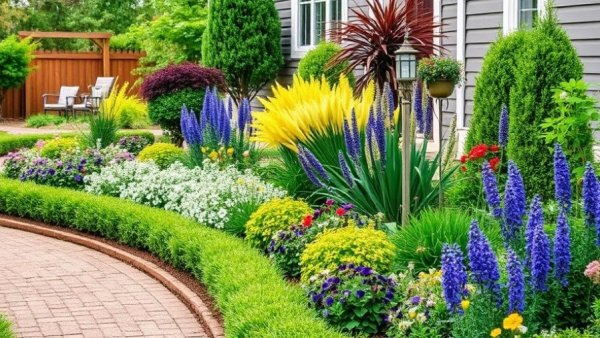
One straightforward tactic for achieving a bold garden border is to increase its depth. Many homeowners might not realize that expanding a border by just 30-60 centimeters (12-24 inches) can significantly enhance its visual impact. This additional space allows for a thoughtful combination of low-growing plants like lavenders alongside taller perennials, thus creating an engaging layered effect. As Lucy asserts, the experience of being enveloped by plant life is far more immersive than simply observing from the outside.

The Symphony of Seasonal Colors

Doddington Place Gardens further exemplifies how varied color palettes can narrate different chapters throughout the year. In spring, the borders come alive with fresh yellows and soft mauves that signal renewal. As summer approaches, the color story intensifies with hot pinks and vibrant hues. By autumn, the garden’s vitality transforms into a warm palette of burnt oranges and rich bronzes, reminiscent of stained glass. This deliberate shift empowers gardeners to think of their borders as evolving artworks.

Local Inspiration and Practical Applications

Homeowners can draw inspiration from Doddington Place’s practices, applying them in smaller and urban gardens alike. As trends move towards larger borders at the expense of traditional lawns, many are finding beauty and practicality in reduced grass areas. For instance, elegant transformations like those by designer Edmund Jackson demonstrate how slim gardens can still maximize impact through smart border design and plant selection.

Landscaping Beyond Aesthetics: Emotional and Community Connections

Gardening fosters a unique emotional bond and offers an avenue for community connection. By creating inviting outdoor spaces, homeowners can enjoy quiet reflection or use their gardens to bring together neighbors and friends. The meticulous design at Doddington Place exemplifies how gardens can evoke feelings of comfort, beauty, and a sense of pride while promoting biodiversity in local ecosystems.

Actionable Insights for Your Garden

To start your own journey, consider these actionable tips:

  • Assess Your Space: Determine if there’s an opportunity to widen your borders by reducing lawn areas.
  • Mix Plants: Incorporate a variety of plants that will ensure growth at different heights and provide interest year-round.
  • Be Bold with Color: Plan for seasonal shifts in color to keep your garden engaging and visually attractive.
  • Engage with the Community: Involve friends and family in planting and garden care to foster connections.

Conclusion: Your Garden, Your Canvas

By applying the principles of design and seasonal change observed at Doddington Place, you can create a garden that not only enhances your home but also elevates your emotional well-being. Whether you have a vast estate or a cozy urban retreat, your garden can become a canvas of creativity and community connection. Embrace these insights, and let your garden grow into a personal masterpiece.
Sustainable Practices

0 Views

0 Comments

Write A Comment

*
*
Please complete the captcha to submit your comment.
Related Posts All Posts
10.31.2026

Transform Your Awkward-Shaped Garden: Design Tips for a Bigger Feel

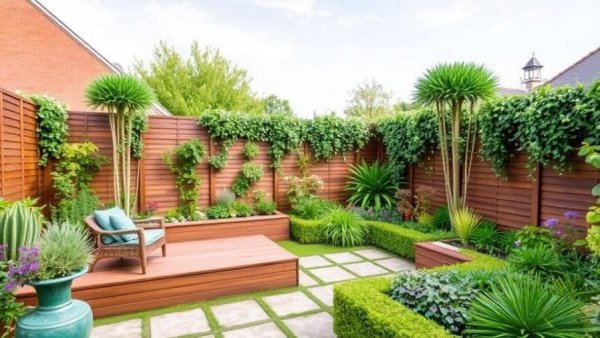
Update Navigating Awkward Spaces: A Designer's InsightWhen it comes to garden design, particularly for awkward shapes like L or wedge gardens, sweeping open spaces often come to mind as a solution to create a sense of grandeur. However, award-winning garden designer Nicholas Morton takes a different approach. Instead of opening up the garden, Morton emphasizes the benefits of creating lush, intimate spaces that link various areas through thoughtful landscaping. His philosophy transforms small, odd-shaped gardens into relaxing retreats that feel much more spacious than they actually are.Maximizing Space Through IntimacyMorton's design methodology highlights a crucial insight: dividing a small garden can **actually** make it feel larger. By structuring the space into smaller, purposeful areas, the garden becomes a series of inviting destinations rather than a narrow corridor. In a garden that once resembled a long alleyway, Morton created separate seating and dining spots, enriching the sensory experience of exploration. Each area has its distinct purpose, inviting visitors to enjoy the garden actively rather than viewing it as a single, unused passageway.Designing with PurposeA powerful starting point for any garden transformation is a clearly defined design brief. Morton suggests taking an introspective approach by considering your lifestyle and needs. Questions like whether you need space for entertaining, relaxation, or family gatherings can help you map out a functional layout. Specifically, you should observe existing light patterns within your garden; noting where sun or shade resides will help secure the ideal orientation for your chosen plants and seating areas.Creating Separations Without IsolationOne common mistake in garden design is concentrating all elements along the boundaries while leaving the center empty. Morton's strategy incorporates a central island bed that separates various seating areas while maintaining openness. This hybrid design allows partial views through plantings, creating curiosity and inviting exploration without fully exposing the garden at once. The effect is a compelling balance of connectedness and privacy that enhances the spatial perception.Innovative Approaches to LandscapingAs we evolve our gardens, sustainable practices and environmental considerations become crucial. Current trends reflect a shift toward utilizing native plants, which not only reduce water usage but are also friendly to local wildlife. Moreover, incorporating modern landscape technologies—like irrigation systems that adjust based on weather patterns—can transform your space into an eco-conscious haven. Emerging smart home technologies also invite integration of sensors that monitor garden health and adjust lighting accordingly.The Emotional Connection to Our GardensGardens serve more than just aesthetic purposes—they are emotional sanctuaries where homeowners connect with nature. A well-designed garden invites friends and family to engage with the space, fostering relationships through shared experiences. With the growing demand for wellness-centered living, transforming awkward outdoor spaces becomes a pivotal aspect of homeownership that speaks directly to the heart.Conclusion: Ready to Transform?As homeowners, embracing innovative design approaches can transcend the limitations of awkward spaces. Whether you’re considering a garden makeover or simply looking to enhance your outdoor experience, Morton’s tips present a treasure trove of insights. The path toward a tranquil yet functional garden begins with thoughtful planning, creativity, and above all, a willingness to explore. Are you ready to transform your awkward garden into a relaxing oasis that reflects your personality and lifestyle?

10.27.2026

Essential Guide to Artificial Grass Fall Maintenance You Can't Ignore

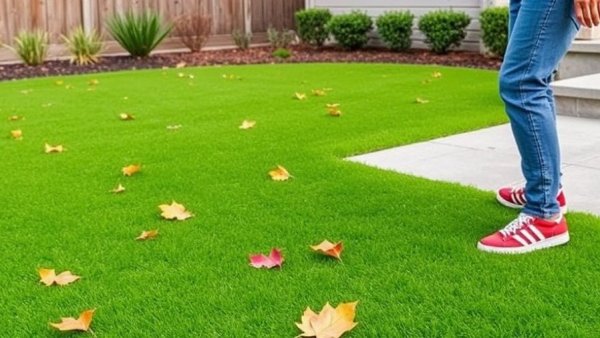
Update Why You Should Prioritize Artificial Grass Fall Maintenance Autumn is not just about colorful leaves and cooler days; it's a crucial period for home lawn care, particularly for artificial grass. While many homeowners shift their focus to indoor activities during this time, maintaining your artificial lawn remains essential due to the changing environmental conditions. The accumulation of leaves, debris, and organic matter can significantly impact both the appearance and functionality of your turf, making regular upkeep a necessity. Understanding the Impact of Seasonal Change on Your Turf As temperatures drop and leaves begin to fall, artificial grass is more susceptible to environmental changes that can impact its performance. For instance, the cooler weather can allow certain plants to seed, leading to weeds sprouting from the infill. Unlike natural grass, which requires more intricate care, artificial grass maintenance involves simply keeping the surface clear and managing debris accumulation effectively. Regular cleaning not only prevents blockages but also preserves the integrity of the turf's drainage system. Cleaning Techniques for Optimal Artificial Grass Maintenance Adopting straightforward cleaning techniques can provide your artificial turf with a much-needed rejuvenation. The first step is to clear the surface regularly; ideally, this should be done once a week. A leaf blower or a turf rake can efficiently manage leaves without damaging the grass blades. Using a stiff bristled broom can further assist in removing smaller debris. It's best to avoid metal tools, as they can harm the synthetic fibers, leading to costly repairs. Deep Cleaning: An Essential Fall Activity Fall is also an excellent time for a thorough deep cleaning of your artificial grass. This process doesn’t need to be labor-intensive, yet it offers significant benefits. A deep clean removes any stubborn buildup that could impede drainage during the rainy winter months. Using a power broom can ensure that grass blades are upright and debris-free. Replenishing the infill is another crucial step, as it helps maintain the grass's texture and usability, ensuring that your lawn remains vibrant through the winter. Common Misconceptions About Artificial Grass Maintenance Many people believe that maintaining artificial grass is laborious, but the opposite is true. Its low maintenance nature is one of its most appealing attributes. Unlike natural lawns that require frequent watering, mowing, and fertilizing, artificial grass demands only regular surface cleaning. It's this simplicity that allows homeowners to enjoy more time relaxing in their outdoor spaces. Future Trends in Artificial Turf Management As technology improves, the artificial grass industry is witnessing advancements that may further ease maintenance tasks. Innovations such as self-cleaning surfaces are on the horizon, reducing the need for routine cleaning and allowing homeowners to enjoy their lawns without worry. Digital monitoring systems that alert homeowners to maintenance needs will soon emerge, making artificial grass upkeep even simpler. Actionable Tips for Homeowners 1. Inspect Regularly: Look for any signs of wear or damage, especially after storms or heavy usage. 2. Embrace the Right Tools: Invest in a quality leaf blower and turf rake for effective cleaning. 3. Don’t Overlook the Infill: Keep your turf's infill material adequately replenished and even for best results. 4. Stay Prepared: Use seasonal changes as a prompt to review your lawn's condition and make necessary adjustments. Understanding the basic practices of artificial grass maintenance in the fall will not just enhance the beauty of your yard but also extend the life of your lawn. If you’re considering making the switch to synthetic turf, fall is an optimal time to explore your options and take action. Our Watersavers Turf experts are ready to help you through the selection process and provide free estimates—reach out at 844-974-8873 today!

10.19.2026

Why Bare-Root Plants Are the Most Cost-Effective Way to Garden

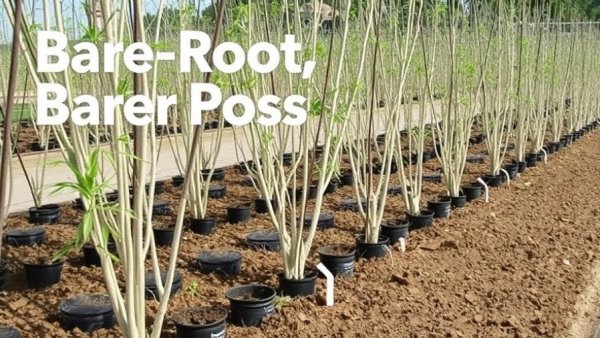
Update Discover the Cost-Effective Charm of Bare-Root Plants As homeowners seek affordable and sustainable gardening solutions, bare-root plants emerge as a game-changer for landscaping, especially during the dormant season from late autumn to early spring. These plants, which are cultivated in soil before being uprooted, offer significant savings compared to their potted counterparts. This unique planting method not only makes gardening more accessible but also enhances the variety of plant options available, particularly for enthusiasts looking for rare or heritage varieties. Unmatched Savings on Garden Essentials Consider the stark financial contrast when planting a hedge. For instance, to plant a typical 15-meter hedge, investing in bare-root plants can cost between £60 and £80, in stark comparison to over £400 for potted options. This remarkable savings extends to roses as well; purchasing bare-root roses can save up to £11 per plant. If you're looking to plant a few, such as the exquisite 'King's Rose', the cost benefits can quickly accumulate. With the calculated choice of three bare-root roses at a £33 saving compared to potted versions, you're left with more cash to invest in other areas of your garden. Anticipating Growth and Care Considerations While saving money is essential, the success of your new plants hinges on proper planting and maintenance. Bare-root plants require attention during their formative years—especially in the critical first summer. Regular watering and weed management are fundamental to establishing a healthy hedge. Reputable suppliers like Hopes Grove Nurseries emphasize the importance of understanding different soil types and planting styles to enhance the growth potential of your hedges. Additionally, younger plants typically establish more rapidly than their older counterparts, leading to a thriving garden over time. Unique Varieties: Discovering Hidden Gems The advantage of bare-root planting extends beyond cost savings; it opens the door to exclusive plant varieties that may not be available in pots. Heritage roses, for example, often can only be acquired as bare-root plants—these unique varieties can become a standout feature in any garden. With suppliers increasingly promoting these gems, it's an excellent time to explore your options and diversify your garden’s aesthetic. Temptations of Immediate Gratification However, it’s crucial to weigh the immediate satisfaction of potted plants against the rewards of patience with bare-root options. Potted plants offer instant impact, ideal if you need to fill gaps during blooming seasons. This consideration can influence your planting strategy based on the desired time frame for visual appeal in your landscape design. Understanding both planting methods and their intended purposes can lead to a more enriching gardening experience. Long-Term Sustainability in Landscaping Choices As society gravitates toward sustainability and eco-friendly practices, bare-root planting aligns perfectly with this ethos. Lower resource expenditure coupled with a commitment to nurturing representative flora encourages a greener future. When planning your garden layout, consider not just the initial financial aspect but the long-lasting benefits of choosing bare-root plants: plant longevity, increased biodiversity, and a unique garden identity. Take the Next Step Now is the perfect time to embrace bare-root planting as your go-to strategy for enhancing your garden. By selecting the right plants for your space and committing to their care, you’ll not only save money but also enrich your outdoor environment sustainably. Consider this your call to action—visit local nurseries, research the best types of plants, and discover the myriad possibilities that await your garden.

Atlanta Home Garden Insider

Essential Garden and Lawn Care Tips for Atlanta Metro Residents: Stay Updated for a Thriving Landscape!

Green Street Consulting LLC

email: kevin@greenstdigitalmarketing.com


© 2026 CompanyName All Rights Reserved. Address . Contact Us . Terms of Service . Privacy Policy

Terms of Service

Privacy Policy

Core Modal Title

Sorry, no results found

You Might Find These Articles Interesting

T
Please Check Your Email
We Will Be Following Up Shortly
*
*
*