

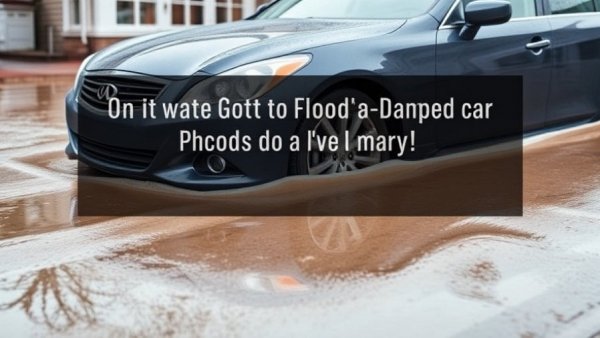
Why Spotting a Flood-Damaged Car Matters
Buying a car represents a significant investment, especially as prices soar, with new vehicles averaging around $50,000. For homeowners looking to save money, purchasing a used car might seem like a logical choice. However, potential buyers must be vigilant about the risks of flood-damaged vehicles lurking in the marketplace. Even without a flood title, unscrupulous sellers may disguise the true history of a vehicle, potentially endangering lives and financial futures.
Use Your Senses: Smelling Trouble
The quest for signs of hidden flood damage should begin with a keen sense of smell. According to expert mechanic David Martin, a musty or moldy odor often indicates a car has faced flooding. Even cars that seemingly smell fresh might have been cleaned with strong air fresheners to mask hidden mildew. Remember to look for evidence of silt or mud in unexpected places like glove compartments; both are dead giveaways of past water exposure.
Rust is More Than Just a Cosmetic Issue
Rust and corrosion are significant indicators that a vehicle has been exposed to water. Inspect the car's undercarriage, especially brake lines, for any signs of flaking metal or rust. Pay special attention to the engine area, including battery terminals, which can corrode. Noticing rust in areas like door hinges can indicate deeper issues, as these spots are typically protected from the elements.
Examine Upholstery for Hidden Damage
Another area to inspect closely is the upholstery and carpeting. Feel for dampness, and check for unusual stains or loose, wrinkled carpeting. The condition of seat belts is also telling; pulling them out could reveal hidden evidence of mildew or mud. Moreover, mismatched carpets or upholstery may suggest a replacement due to prior flooding.
Test the Electronics for Electrical Failures
The functionality of a car's electronic systems can provide clues about its condition post-flood. During a test drive, don’t just check if various features work; ensure they function properly. Flickering lights or intermittent issues can signal underlying water damage that may not be immediately apparent.
The Importance of Vehicle History Reports
Don’t overlook the value of a vehicle history report. Flood-damaged cars may have been re-titled or moved across state lines, escaping scrutiny. A Carfax report can track a vehicle's history, revealing crucial insights that could prevent you from unwittingly purchasing a damaged car. Additionally, the National Insurance Crime Bureau can help you discern whether a car has been flagged as salvage or stolen. It's wise to remember that these reports can sometimes miss critical data, making an inspection by a certified mechanic a prudent investment.
Get a Pre-Purchase Inspection for Peace of Mind
Even with all due diligence, there may still be signs of flooding that a casual inspection could miss. A professional mechanic can reveal subtle damage or hidden issues that might affect the car's performance in the future. Have them specifically look for signs of flood damage to ensure you make an informed decision.
FAQs: Common Concerns About Flood-Damaged Cars
Can a flooded car have a clean title? Yes, it’s possible for a flood-damaged car to have a clean title, which means there might be no record of flooding reflected. This makes it even more crucial to do thorough checks and tests.
Is it safe to buy a car that has been flooded? Generally, it is not advisable to buy a flooded car if you plan to drive it. Long-term effects from water damage can emerge years later, impacting vehicle functionality. If you decide to purchase one, it might be for parts only.
Call to Action: Protect Your Investment
As you navigate the used car market, stay vigilant and informed about the risks associated with flood-damaged vehicles. Arm yourself with knowledge and consider taking the steps mentioned above before making your next big purchase. Don't hesitate to consult a certified mechanic; peace of mind is worth every penny.




Write A Comment