

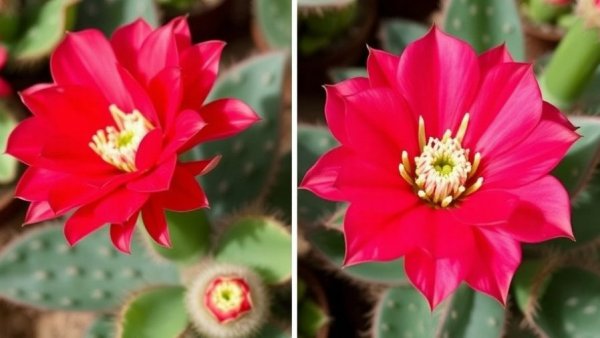
Revitalize Your Christmas Cactus for Stunning Blooms
As September rolls in, savvy gardeners start thinking about maximizing their blooms for the upcoming holiday season. For the Christmas cactus, this month is pivotal — here are five essential steps to ensure your plant thrives and produces an abundance of vibrant flowers.
1. Create the Perfect Nighttime Environment
One crucial aspect of encouraging your Christmas cactus to bloom is providing it with long, uninterrupted nights. Just as nature cycles through seasons, your cactus also responds to light cues. Aim for 12-14 hours of complete darkness nightly for about six to eight weeks. Consider moving your plant to a room where it can bask in natural daylight yet remain undisturbed by artificial light after sunset. This simple shift in environment can trigger the budding process and lead to more stunning blooms.
2. Optimize Temperature for Flower Buds
While the Christmas cactus originates from the tropical Brazilian forests, it thrives best in cooler temperatures during the blooming season. Ideally, keep it in a space where temperatures fall between 55-65°F (13-18°C). Avoid placing your cactus near heat sources like radiators, as warmth may inhibit flower development. A cooler night will not only make your cactus happy, but it’ll also kickstart its preparation for blossoming.
3. Understand Your Watering Needs
As the environment cools down in fall, your Christmas cactus requires a change in its watering routine. It's essential to keep an eye on the moisture levels in the potting mix; overwatering can lead to root rot. Be diligent by checking the upper soil levels before watering — while thorough watering is crucial, ensure the pot does not sit in excess water. Strike a balance to keep the plant hydrated without encouraging rot, and you’ll set the stage for robust flowering.
4. Pause on Feeding and Repotting
This September, consider tapering off fertilizer and avoid repotting altogether. During early spring and summer, feeding ensures healthy growth, but during autumn, heavy feeding can interfere with the plant's natural transition to flowering. Allow it to slow down and establish its energy for blooms instead. Skipping this step could make all the difference between a mediocre bloom and a spectacular display.
5. Maintain Consistent Light Conditions
Your Christmas cactus's success hinges not only on darkness at night but also on proper light during the day. Consistency is key. Place your cactus in a location where it receives ample indirect light. Fluctuating light conditions can stress the plant and impede its blooming cycle. A north or east-facing window typically offers ideal lighting conditions without the harsh direct sunlight that can scorch delicate leaves.
What If Your Christmas Cactus Still Won’t Bloom?
If your plant doesn’t thrive as expected, don’t lose hope. Sometimes, patience is required, and factors like age and variety can also impact blooming times. If the environment is right, yet your cactus is reluctant, consider reevaluating its care routine. Temperatures, light, and watering history should always be at the forefront of your strategy.
Concluding Thoughts: Preparing for Blooming Success
The care you provide your Christmas cactus this September can set the tone for a blooming success come winter. By adjusting light and temperature, rethinking your watering regimen, and refraining from unnecessary fertilization, you may soon be rewarded with beautiful flowers to enhance your holiday decor.



Write A Comment