
Add Row
Add Element
cropper
update
Atlanta Home and Garden Insider
update
Add Element
  • Home
  • Categories
    • DIY Projects
    • Sustainable Practices
    • Design Trends
    • Landscaping
    • Lawn and Garden Care
  • Smart Home Tech
  • Interior Design Tips
  • Home Maintenance
September 07.2025
3 Minutes Read

Home Sauna Costs in 2025: What Homeowners Need to Know

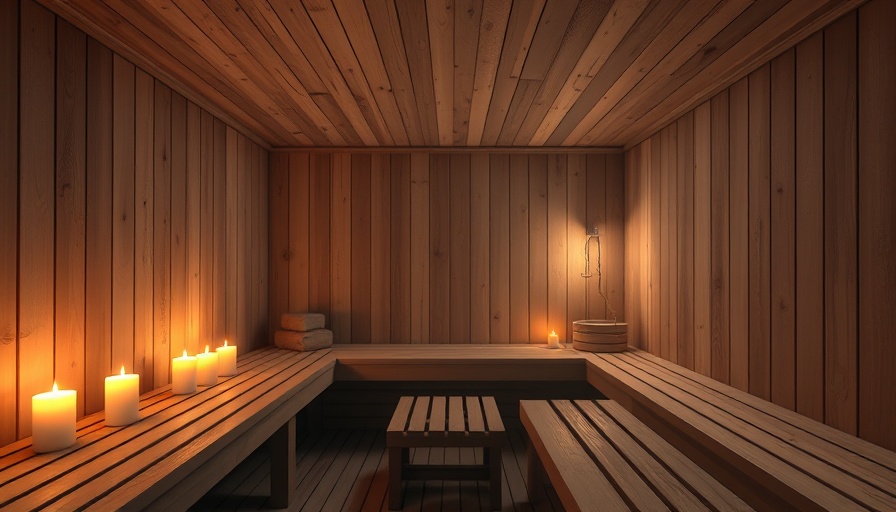
Modern home sauna with wooden fittings and dim candlelight

Understanding Home Sauna Costs: What You Need to Know

As more homeowners seek wellness solutions within the comfort of their residences, one wellness feature stands out: the home sauna. The average cost to install a home sauna generally ranges from $3,000 to $4,500, but depending on your preferences and the specific features you wish to include, costs can rise significantly. This article walks you through the various factors that contribute to the price, the different types of saunas available, and how to plan accordingly for your health retreat at home.

Different Types of Home Saunas and Their Costs

When considering installing a sauna, it’s essential to understand the different types available and how each one affects the overall cost:

1. Wood-Burning Sauna
A traditional choice, wood-burning saunas allow for an authentic experience but come with their own set of challenges. The heating element relies on burning wood, which can become costly depending on your location and frequency of use. However, the unique ambiance and heat control make it a popular option among sauna aficionados.

2. Electric Sauna
Electric saunas are favored for their convenience and precise temperature control. These systems are more modern and can be installed indoors or outdoors, reflecting a higher price point primarily due to the cost of the heating units. Although the initial setup might be steep, the ease of use and maintenance makes it a desirable choice for many homeowners.

3. Infrared Sauna
For those who prefer an energy-efficient and lower-cost option, infrared saunas present a viable alternative. They heat the body directly without the need for steam, making them effective yet more affordable than traditional models. Plus, these saunas provide several health benefits, from improved circulation to detoxification, and could be particularly suited for health-conscious homeowners.

4. Steam Sauna
Steam saunas are renowned for their restorative properties and are frequently found in luxury spas. They offer high humidity and heat, providing instant relaxation. However, this luxury comes with a price—installation can range significantly, sometimes reaching upwards of $10,000!

5. Shower-Sauna Combination
This innovative hybrid unit can serve dual purposes, acting as both a shower and a sauna. These units can easily be modified to fit your existing bathroom, and they provide a unique way to optimize space and enjoy both showers and steam treatments without excessive costs.

Cost Considerations: What Else Should You Keep in Mind?

Beyond the basic installation costs, several factors may influence your overall budget:

  • Installation Location: Choosing between indoor and outdoor placement can affect costs due to building permits, plumbing, and electrical needs.
  • Space: The amount of space you’re willing to dedicate to a sauna will dictate which style suits your needs best. Compact units might be less expensive, while larger builds require more materials and labor.
  • Customization: Customized saunas can add costs for specialized features—whether it’s mood lighting, ergonomic benches, or modern control systems.

Maximizing Your Investment: Tips for Homeowners

Investing in a home sauna not only elevates your home’s value, but also contributes significantly to your personal wellness journey. Here are a few tips to consider:

  • Research and Budget: Take the time to assess what features are important to you and how much you are willing to spend upfront.
  • Consider Long-Term Benefits: Investing in a quality sauna can save you in healthcare costs, paving the way for a healthier lifestyle.
  • DIY Options: If you’re handy, consider going the DIY route for setup, which can cut costs dramatically.

Ultimately, whether you’re seeking relaxation, physical therapy, or a social space, a home sauna is an increasingly accessible luxury. As you weigh your options, keep in mind the importance of tailoring the choice to meet your unique lifestyle and preferences, ensuring a worthwhile addition to your home.

Home Maintenance

3 Views

0 Comments

Write A Comment

*
*
Related Posts All Posts
12.07.2025

Stop Wasting Money on Insulation! Homeowners’ Guide to Choosing Wisely

Update Understanding the Importance of Proper Wall Insulation When it comes to transforming a shed or garage into functional office space, effective wall insulation is critical. Insulation not only helps in stabilizing the internal climate but can significantly reduce energy costs, making it a worthy investment for homeowners. This article delves into the various insulation options available, comparing their efficacy and cost considerations applicable to your DIY projects.In 'Stop Wasting Money! Most Homeowners Are Insulating Walls Wrong', we're encouraged to re-evaluate our approach to wall insulation, prompting a deeper look into the best practices and options available. Insulation Options: Fiberglass vs. Rockwool vs. Spray Foam The world of insulation is dominated by three main contenders: fiberglass, rockwool, and spray foam. Each has its unique advantages and challenges. Fiberglass insulation, commonly recognized for its affordability, offers a decent R-value of 13. It’s easy to install but poses challenges with skin irritation and moisture absorption. In contrast, rockwool insulation delivers a higher R-value of 15 and is preferable for its resistance to moisture, making it particularly valuable in potentially damp environments. On the other hand, spray foam insulation, with options like Great Stuff and Stanley, brings convenience but comes with a hefty price tag, potentially costing up to three times more than fiberglass. Despite its impressive sealing capabilities, users often report uneven coverage and higher overall costs, which can disqualify it as a practical solution for many homeowners undertaking DIY projects. Cost Efficiency: Getting More Bang for Your Buck Cost efficiency emerges as a pivotal factor that homeowners must consider when choosing insulation. For instance, installing fiberglass insulation may only set you back around $18 per 32 square feet, with rockwool costing about $40 for the same area. In contrast, spray foam options can skyrocket to between $120 to $150. For those on a budget or looking for a versatile option, fiberglass or rockwool may prove to be the more sensible choices—offering lasting comfort without overwhelming upfront costs. Environmental Considerations: A Sustainable Approach As society becomes more eco-conscious, many homeowners are actively seeking sustainable living solutions. Rockwool insulation stands out not only for its thermal performance but also for its sustainable qualities. It is made from natural stone and recycled materials, making it a smart choice for those wanting to reduce their carbon footprint while enhancing their home’s energy efficiency. Making Informed Decisions: Factors to Consider When deciding which insulation to use for a garage or shed, consider three main factors: R-value, cost, and environmental impact. Fiberglass remains the most budget-friendly while rockwool offers superior moisture resistance and eco-friendliness—attributes that could benefit many common DIY projects. Spray foam, while excellent in certain scenarios, may not align with the financial goals of many homeowners looking to minimize their expenditures. The Future of Home Insulation: Trends and Innovations Looking ahead, the insulation industry is evolving with advancements in technology. Smart insulation systems and sustainable materials are gaining traction. As consumers become more informed, the demand for innovative insulation solutions will likely increase. Homeowners venturing into DIY projects should keep an eye on emerging technologies that promise better insulation performance with less environmental impact. Final Thoughts: Your Next Steps in DIY Insulation Taking on a DIY insulation project in a garage or shed is a commendable way to enhance your home’s value and comfort. As outlined in this analysis, make informed decisions based on your specific needs, budget, and the environmental implications of the insulation you choose. Whichever route you decide to take, the right insulation choice can lead to long-term savings and a more enjoyable living environment. Ready to take your DIY insulation project to the next level? Explore free resources and tips on Everyday Home Repairs to ensure a successful and cost-effective undertaking. Your ideal workspace or she shed is just a few steps away!

12.06.2025

Avoid Common Errors: The Right Way to Insulate Your Shed Roof

Update Understanding Common Insulation Mistakes Many homeowners undertake DIY projects with the best of intentions, especially when it comes to enhancing their properties. However, some common missteps can lead to less than ideal results. Insulating a shed roof may seem straightforward, but many are doing it wrong without realizing the potential pitfalls. Not only does improper insulation affect the comfort of the shed, but it can also lead to higher energy costs and long-term damage.In 'Most Homeowners Insulate Shed Roofs WRONG (Watch This!)', the discussion highlights critical errors in insulation practices, prompting us to explore the right techniques for achieving a cozy and durable shed. Why Insulation Matters for Your Shed Installing effective insulation in a shed can serve multiple purposes. Firstly, it helps retain heat during colder months, making your shed a more functional space year-round. Moreover, insulation can reduce moisture buildup, which is crucial in preventing rot, mold, and other structural issues over time. Understanding the significance of these benefits can empower homeowners to make informed decisions about their DIY projects. A Closer Look at the Right Materials When insulating your shed roof, the choice of materials can make or break your project. Rigid foam boards and fiberglass batts are two popular options, each with distinct advantages. Rigid foam board is lightweight and offers excellent thermal resistance, making it ideal for shed roofing. Alternatively, fiberglass batts are often affordable and provide good insulation levels when properly installed. Choosing the right material ensures that your shed remains comfortable and energy-efficient. Common Misconceptions About Shed Insulation One prevalent myth among homeowners is that adding more insulation automatically translates to better energy efficiency. This is not always the case. Over-insulating without adequate ventilation can lead to moisture buildup and subsequent damage. Thus, achieving the right balance between insulation and air circulation is essential. Homeowners must be aware of these challenges to avoid inadvertently damaging their investment. Steps to Properly Insulate Your Shed Roof To insulate your shed roof correctly, start by considering the structure's existing ventilation. Prepare the Area: Ensure the roof is clean and dry. Check for previous damage or leaks and address them before proceeding. Choose Insulation Material: Select either rigid foam boards or fiberglass batts, assessing which best suits your shed’s needs. Install the Insulation: For rigid foam, cut pieces to fit snugly between rafters. If using batts, place them in the rafters without compressing them. Add Ventilation: Install vents if they are absent to promote airflow and prevent moisture accumulation. Seal Up Gaps: Ensure that proper sealing is done using caulk or weatherstripping around edges where air might escape or enter. Future-Proofing Your Shed As we invest in our homes and outdoor structures, safety and sustainability should remain priority considerations. Using high-quality insulation materials may incur a higher upfront cost, but the long-term energy efficiency and savings can make it worthwhile. Plus, the comfort and usability of the shed increase significantly, allowing for storage, workshops, or even recreational spaces to flourish. The Broader Impact of Proper Insulation When homeowners make informed decisions about insulation, it extends far beyond individual comfort and convenience. It contributes to a wider societal effort towards energy conservation. In an era increasingly focused on sustainability, proper insulation can support reduced energy consumption, thereby reducing overall environmental impact. Every small effort counts when pursing sustainability, and the shed is a great starting point. Final Thoughts and Expert Recommendations Improper shed insulation is a frequent issue among DIYers, but by understanding insulation materials and installation techniques, you can avoid common pitfalls. Always remember the importance of ventilation, materials selection, and maintenance in preserving your shed’s integrity. Whether you're using your shed for gardening tools, hobbies, or as an extra living space, investing time in correctly insulating it can lead to countless benefits down the road. Today’s simple yet essential steps can result in a happier, more efficient space, equipped for your future needs.

12.03.2025

Avoid Common Shed Insulation Mistakes: Tips for Homeowners

Update Why Proper Shed Insulation Matters When converting a storage shed into a usable workspace, proper insulation is a crucial step that should not be overlooked. While many homeowners focus on aesthetics, they often fail to realize the significance of insulation in maintaining temperature and preventing moisture damage. Insufficient insulation can lead to issues like mold growth, increased energy costs, and uncomfortable working conditions. That's why it is essential to approach this task with the right strategies, as Scott shared in his recent video on shed insulation.In 'Most Homeowners Insulate Shed Roofs WRONG (Do This Instead)', the discussion dives into essential insulation strategies for shed conversions, illuminating key insights that sparked our deeper analysis. The Right Insulation: A Key to Success In his video titled Most Homeowners Insulate Shed Roofs WRONG (Do This Instead), Scott reveals the common pitfalls of insulation and proposes effective solutions, emphasizing the use of rigid foam board. This choice not only provides an R-value of 10 but is also cost-effective, striking a balance between performance and affordability. With an estimated budget of $350 to $400 for the materials, including fasteners and seam tape, this investment can transform your shed into a reliable workspace. Common Mistakes to Avoid Scott points out that one of the most frequent errors homeowners make is neglecting ventilation. It’s vital to ensure that the insulation properly accommodates airflow between the roof and interior space. Sealing up rafters without accounting for ventilation can trap moisture, leading to condensation and ultimately mold over time. Therefore, adequate venting is essential, and it’s critical to follow a strategy that facilitates airflow to ensure a dry, healthy environment. Practical Tips for Effective Insulation One of the unique advantages of rigid foam board insulation is its ease of installation. Scott demonstrates a straightforward approach: measuring, cutting, and securing panels without much hassle. With just a few tools and some basic know-how, you can take on this project with confidence. Not only does this save money on hiring help, but it also provides a sense of accomplishment in completing your DIY project. Exploring Alternative Insulation Options Viewers of Scott's video were also given insights into various insulation options ranging from fiberglass (23%) to rockwool (27%) and spray foam (18%). While rigid foam board led the polls with 31%, understanding the strengths and weaknesses of each type can influence your decision based on unique needs and project goals. For instance, spray foam provides superior air sealing, while fiberglass is often more affordable and easy to find. Each option has its place depending on your specific shed conversion project. Encouraging Community Engagement Scott encourages viewers to participate in the Everyday Shed community, where they can share their specific concerns or seek assistance on their projects. This collective resource not only offers support but also fosters connections among individuals undertaking similar home improvement endeavors. The exchange of ideas and experiences is invaluable in the DIY community, reinforcing that you’re not alone in facing challenges. Your Next Steps in Shed Insulation As a homeowner considering a shed conversion, it’s important to weigh the cost versus benefits of various insulation types and methods. Do the necessary research, measure accurately, and take a hands-on approach to your insulation installation. Embracing this project could lead to increased comfort, savings on energy bills, and a more functional workspace for years to come. If you're interested in learning how to enhance your shed insulation further, access free build plans and a detailed materials list to help with your project. Don't hesitate to reach out to the Everyday Shed community for tailored guidance, and take your first steps towards creating a comfortable retreat right in your backyard!

Terms of Service

Privacy Policy

Core Modal Title

Sorry, no results found

You Might Find These Articles Interesting

T
Please Check Your Email
We Will Be Following Up Shortly
*
*
*