

Transforming Your Garden: The Most Common Design Mistakes
Have you looked around your garden and sensed something is missing? It’s a common sentiment among homeowners and can stem from a variety of design missteps. Fortunately, it doesn't require a full-scale renovation to enhance your outdoor space; often, small adjustments yield the most significant results. Below are ten prevalent garden design mistakes, along with suggestions for straightforward yet effective remedies.
1. Neglecting Layered Planting: Why Height Matters
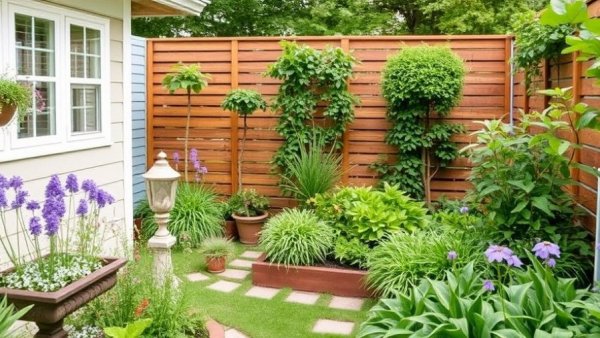
Uniformity in plant height can diminish your garden’s character. Introducing varied heights adds dimension and a fulfilling appearance. For instance, position taller plants like delphiniums at the back, while fronting them with lower-growing flowers. This layered arrangement not only brings depth but also keeps your garden visually appealing year-round, even outside of blooming seasons.
2. The Importance of Curved Paths and Borders
Straight garden paths may lend a formal look, yet they can also render a more natural setting rigid and uninspired. Instead, consider crafting gentler, meandering paths with materials like gravel or natural stone. Curves can soften these spaces and engage visitors, inviting them to explore further.
3. Creating a Compelling Focal Point
A garden devoid of a focal point feels incomplete. Whether it’s a charming pergola, a decorative water feature, or a striking tree, a standout element draws the eye and structures the surrounding landscape. Position this feature thoughtfully for optimal visibility and support it with surrounding plants to enhance its presence.
4. Maximizing Vertical Space: Go Up!
In smaller gardens, wall or fence space often goes underutilized. Vertical gardening is an excellent strategy for maximizing your space without crowding ground plots. Use trellises for climbing plants, hang planters, or establish a living wall filled with vibrant herbs and flowers to elevate your garden's greenery.
5. The Role of Garden Lighting
A garden doesn’t have to retreat into darkness as the sun sets. Thoughtful garden lighting can create a welcoming ambiance for evening gatherings. Consider integrating warm string lights, solar path lights, or spotlights for highlighting key features in your garden, significantly enhancing the outdoor experience.
6. Harmonizing Colors in Flower Beds
Using too many competing colors in flower beds can lead to visual chaos. Successful garden design often involves a careful selection of color palettes. Opt for complementary colors or different shades of the same hue to create cohesion. This approach enhances overall beauty and invites a sense of tranquility.
7. Viewing Your Garden as One Large Space
Many homeowners make the mistake of treating their garden as a singular entity rather than a series of interconnected spaces. Define separate areas, such as a dining section, a lounging area, and a flower garden, to encourage exploration and reduce visual clutter. Each area can serve its unique function while contributing to the overall aesthetic.
8. Considering Privacy in Your Design
Privacy is crucial in outdoor spaces. Evaluate the visibility of your garden from surrounding properties and consider incorporating hedges, trellises, or screens to create secluded areas. This addition can significantly enhance the comfort of our outdoor retreat.
9. Grouping Plants for Impact
Planting individual specimens can lead to a disjointed appearance. Instead, cluster plants in groups by variety or color to create a more visually satisfying and impactful presentation. This technique can draw attention and encourage appreciation for specific species within your garden.
10. Designing for All Seasons
A common oversight is failing to ensure that your garden remains attractive throughout different seasons. Choose a variety of plants that offer year-round interest, from spring blooms to autumn foliage. Incorporating evergreens can provide structure even in winter months.
Your Path to a Beautiful Garden
With these tips in mind, you're now equipped to transform your garden space effectively. Paying attention to design nuances, from layered planting to strategic lighting, can make your outdoor area more inviting and visually stunning.
As you embark on this gardening adventure, consider exploring more resources and expert advice to refine your landscape. Start creating your dream garden today!



Write A Comment