
cropper
update
Atlanta Home and Garden Insider
update
  • Home
  • Categories
    • DIY Projects
    • Sustainable Practices
    • Design Trends
    • Landscaping
    • Lawn and Garden Care
  • Smart Home Tech
  • Interior Design Tips
  • Home Maintenance
July 22.2025
3 Minutes Read

Your Complete Guide to Replacing a Hardwired Smoke Detector

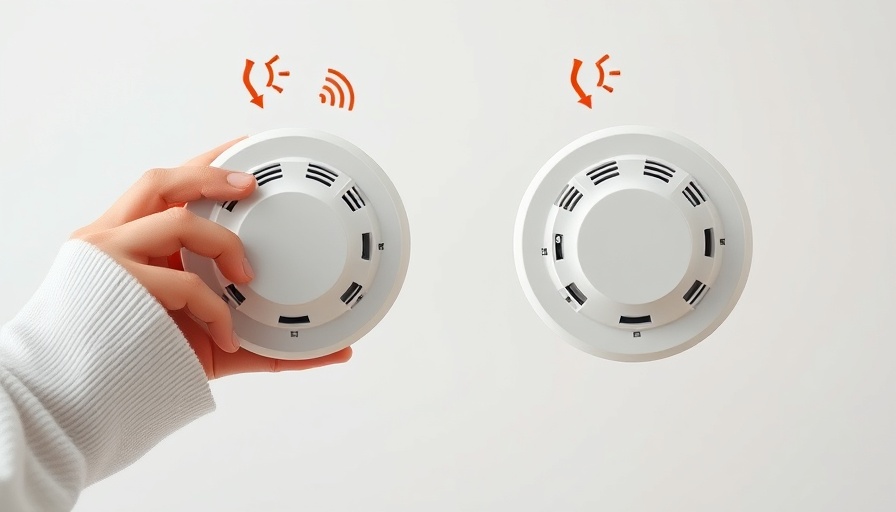
Illustrated guide on replacing a hardwired smoke detector with highlighted features.

Easily Replace Your Smoke Detector in Simple Steps

Home safety is a top priority for every homeowner, and ensuring that your smoke and carbon monoxide detectors are functioning properly is crucial. From time to time, these devices may require replacement, especially when they've reached the end of their service life. Today, we delve into a practical guide on how you can effortlessly swap out a hardwired smoke or smoke/CO detector, transforming a potentially daunting task into a manageable DIY project.

In Replacing a Failed Hard-Wired Smoke or Smoke/CO Detector | Fast Easy DIY, the discussion dives into effective strategies for home safety, exploring key insights that sparked deeper analysis on our end.

Understanding the Importance of Smoke Detectors

Every year, thousands of homes are affected by fires and carbon monoxide leaks. These silent threats can turn deadly within minutes if not detected in time. Research shows that working smoke detectors cut the risk of dying in a fire in half. Thus, understanding how to maintain and replace these critical devices is essential for every homeowner, particularly those within the 40 to 50 age demographic, where family safety is likely a top concern.

Assessing Your Current Detectors

Before jumping into the replacement process, it's vital to assess whether your current smoke detector is functioning or if it’s time for a change. Test your detector by pressing the test button, and look for any unusual chirping sounds, which may indicate low battery or unit failure. Remember, many smoke detectors have a service life of approximately 10 years, as indicated on the unit itself. Understanding these key points can save you time and effort before committing to a replacement.

Gathering Necessary Tools and Materials

To facilitate a smooth replacement process, gather all necessary tools beforehand. Required tools include a non-contact voltage tester to ensure safety while working with electrical wires, a screwdriver, and possibly a new adapter harness or lever nuts, depending on the compatibility of your new unit with the existing hardware. Having a checklist of these supplies will streamline your project and minimize interruptions.

Step-by-Step Replacement Process

Now that you're ready, let’s walk through the replacement process.

1. Remove The Old Detector: Use the non-contact voltage tester to confirm there’s no power running to the unit before carefully removing it from the base plate. This usually involves pulling a tab down and rotating it counter-clockwise.

2. Prepare The New Unit: When purchasing a new detector, consistency in brand can often simplify the installation. However, if the connectors do not match, consider using an adapter harness for easy installation without needing to rewire. For a more secure connection, lever nuts are highly recommended over traditional wire nuts.

3. Install The New Detector: If the new unit fits the existing plate, simply attach it and secure with screws. If it's not a direct fit, follow the adapter instructions to reconnect the wires. Following this, restore power and test the new smoke detector to ensure it is functioning correctly.

Maintenance Checklist for Safety

As highlighted in the installation video, having a maintenance checklist can serve as a helpful reminder for periodic checks. A simple visual cue, like placing the checklist on your refrigerator, can aid in tracking monthly and seasonal maintenance tasks for your home. Remember to press the test button on your detectors regularly as part of your routine.

Final Thoughts: Empowering Homeowners

Replacing a smoke or smoke/CO detector isn’t just a DIY project; it’s a step towards securing your home and family. Understanding the process and knowing when to initiate replacement can empower homeowners to take charge of their safety. If you've ever felt overwhelmed at the thought of electrical DIY tasks, remember that resources and community support are available to guide you through the process.

So, if you're ready to enhance your home's safety, consider taking action today! For more video tutorials and resources on home maintenance such as this, don't forget to check out the links provided in the video description. Stay safe, and happy home-keeping!

Smart Home Tech

15 Views

0 Comments

Write A Comment

*
*
Please complete the captcha to submit your comment.
Related Posts All Posts
05.10.2026

Explore Home Assistant 2026.5: Elevating Your Smart Home Experience

Update Revolutionizing Smart Homes: The Latest in Home Assistant 2026.5 As homeowners increasingly adopt smart technologies, staying updated with software developments in these systems is crucial. Home Assistant's latest release, version 2026.5, unveils substantial advancements that optimize user experience and broaden integration possibilities. The addition of new features enhances automation capabilities and overall usability, making it a game-changer for everyday interactions with smart home devices.In 'Everything New In Home Assistant 2026.5!', the discussion dives into significant upgrades in smart home technology, exploring key insights that sparked deeper analysis on our end. Understanding Proxies and Their Benefits This month’s update introduces two new proxy types — RF and serial proxies — that allow users to connect devices to Home Assistant without the need for direct physical connections. Proxies act as intermediaries, allowing homeowners to control devices such as garage door openers and energy meters seamlessly. For example, the RF proxy can interface with older RF remote-controlled devices, fostering an integration bridge for those products often considered obsolete. This expansion empowers users to control a wider range of devices from a central hub, significantly enhancing home automation. Streamlined Automation: Improvements to the Editor One of the most notable upgrades in 2026.5 is the evolving automation editor. For those who previously found automation setups daunting, the new purpose-specific triggers and conditions simplify the process. For instance, users can now automate actions based on media player statuses or even doorbell triggers. These enhancements focus on improving the ease of use, enabling more personalized and responsive home environments. The ability to specify time conditions adds an additional layer of sophistication, allowing systems to respond to various scenarios effectively. Enhancing User Interfaces: A Closer Look The new maintenance dashboard significantly streamlines the way homeowners manage their devices. With an easily accessible view showing devices with low battery, it allows users to proactively address issues before they escalate. Moreover, the activity log offers transparency regarding security systems, showcasing a timeline of events for enhanced peace of mind. Such updates reflect the commitment of Home Assistant to prioritize user experience and security in home automation. UI Improvements: Aesthetic Upgrades for Better Experience This version also brings marked improvements in user experience with redesigned visual elements. Changes like a cleaner toggle interface and enhanced feedback in progress indicators enhance usability and aesthetic appeal. These tweaks, while subtle, elevate the overall home control experience, making the interaction feel more modern and responsive. Broadening Integration Possibilities: New Additions Home Assistant 2026.5 embraces the spirit of integration by introducing 12 new integrations, including those supporting the newly added RF and serial proxies. With growing options, homeowners can expect wider compatibility across various smart devices. Additionally, some integrations allow users to set them up through the user interface rather than traditional YAML coding, a significant step toward broader accessibility for less tech-savvy users. Anticipating the Future of Smart Home Technology The improvements and new features in Home Assistant 2026.5 hint at a more interconnected and user-friendly future for smart home technology. As more devices become compatible and UI experiences improve, homeowners can look forward to a more intuitive interaction with their environments. Given the rapid pace of technological advancements, this release positions Home Assistant as a leader in smart home software innovation. Conclusion: Embrace the Smart Home Revolution Home Assistant's 2026.5 release presents a suite of upgrades that empower homeowners to optimize their smart home environments effectively. Whether you are looking to enhance security, streamline automations, or simplify device management, the latest innovations offer practical solutions to enhance user experience. Take full advantage of these improvements by updating your Home Assistant system today.

05.02.2026

Transform Your Space: The Impact of Smart Home Technology

Update Understanding Progress in Home Design and Technology As the housing market evolves, homeowners are continuously looking for ways to integrate modern technology into their living spaces. The recent video, The First Signs of Progress! - Highfield House EP2, delves into innovative developments that can enhance both aesthetics and functionality of homes. For homeowners aged 40-50, sitting at the intersection of experience and readiness for change, it is vital to understand how these advancements can create more comfortable and efficient living environments.In 'The First Signs of Progress! - Highfield House EP2', the discussion dives into innovative home technologies, exploring key insights that sparked deeper analysis on our end. Key Innovations Highlighted in Highfield House In the latest episode of Highfield House, several technological advancements are showcased that promise to not only revolutionize home design but also elevate the living experience. These innovations range from smart home systems that allow for seamless control of lighting and security to sustainable practices that minimize the environmental impact of household maintenance. Each inflection point represents a shift toward a lifestyle that balances comfort with responsibility. The Social Connection: Why Home Technology Matters For homeowners today, technology is not just about convenience; it also fosters social connections and improves quality of life. With smart home devices, family members can stay connected even while physically apart. For example, smart thermostat systems enable temperature adjustments from remote locations, ensuring a welcoming atmosphere when loved ones return home. Maintaining a comfortable haven is increasingly paramount, especially during family gatherings or social events. Practical Insights: Steps Towards Smart Home Integration Integrating smart technology into your home doesn’t require an entire remodel. Homeowners can begin by opting for a few key gadgets that can significantly enhance daily routines: Smart Thermostats: These devices learn your schedule, adjusting heating and cooling to save energy while maximizing comfort. Smart Speakers: Not only can they play your favorite music, but you can also control other smart devices with voice commands, simplifying life. Home Security Systems: Enhanced safety means peace of mind, allowing homeowners to monitor their properties remotely through smartphone apps. By taking small steps toward these integrations, homeowners can progressively transform their living spaces. Future Trends: What's Next in Home Design? Looking ahead, the trends observed in Highfield House showcase a push towards sustainable living and energy efficiency. As awareness about climate change increases, consumers are opting for products that align with their values. This includes solar panels, energy-efficient appliances, and sustainable materials in redesigning spaces. Such choices not only reduce energy costs but are also appealing to environmentally-conscious buyers. Decisions to Consider: Aligning Technology with Personal Values Homeowners today should also consider how their technical upgrades relate to their values. For instance, incorporating smart home tech that reduces waste and enhances energy efficiency can speak volumes about a household’s commitment to sustainability. It’s paramount to make choices that reflect personal philosophies while not compromising on comfort and design. Common Misconceptions: Technology is Just for the Younger Generation A prevalent misconception is that smart home technology is reserved for younger generations due to perceived complexity. However, advancements in user interface design have made these technologies more accessible to all age groups. Tutorials, customer support resources, and user-friendly designs allow those in the 40-50 age group to embrace these changes confidently. Conclusion: Embrace Progress in Your Home As you contemplate the possibilities set forth in The First Signs of Progress! - Highfield House EP2, remember that the integration of modern technology into your home can not only elevate your living experience but also reflect a commitment to sustainable living. Taking action to improve your home is about more than aesthetics — it’s about forging connections, enhancing safety, and investing in the future of your space. Now is the perfect time to explore these innovations and make informed decisions that will benefit both you and the environment.

04.27.2026

How Smart Home Technology Transforms Aging Residences

Update Embracing a New Era of Home Updates As technology continues to revolutionize every aspect of our lives, recent developments in home maintenance and design are nothing short of transformative. The video titled "HUGE Life Update…" takes viewers through an exciting journey of personal growth and home innovation, showcasing the importance of integrating technology into the home for improved efficiency and comfort.In 'HUGE Life Update…', the discussion dives into innovative approaches for enhancing homes, exploring key insights that sparked deeper analysis on our end. The Shift Towards Smart Home Technology Smart home technology has rapidly gained traction among homeowners, particularly those aged 40-65, who are keen to future-proof their living spaces. Innovations such as smart thermostats, home security systems, and automated lighting not only enhance convenience but also contribute to energy savings and home value appreciation. These advancements allow homeowners to control their environments with ease, adapting to their needs with a few taps on a smartphone. Leveraging Artificial Intelligence in Home Maintenance Artificial intelligence (AI) is yet another game-changer in home maintenance. AI-powered diagnostic tools can identify potential issues before they become major problems, saving homeowners both time and money. For example, smart appliances equipped with AI can track their usage patterns and send alerts when maintenance is required, ensuring optimal performance. Such technologies can empower homeowners to take a proactive approach, maintaining a healthy and comfortable living environment. The Importance of Sustainable Practices In today's climate-conscious society, embracing sustainable practices is crucial. Homeowners are increasingly seeing the value in eco-friendly materials and energy-efficient appliances. By combining state-of-the-art technology with sustainable practices, such as solar panels or rainwater harvesting systems, homeowners can drastically reduce their carbon footprint while also increasing their homes' market value. Sustainable renovations not only align with ethical principles but can also lead to significant cost savings in the long term. Creating Beautiful Spaces Through Design Trends The aesthetic appeal of a home is as important as its functionality. Current design trends favor minimalism, natural light, and open spaces, enhancing both the look and feel of homes. Integrating technology into design does not mean sacrificing beauty. Instead, it allows homeowners to create spaces that are not only beautiful but also comfortable and efficient. For example, smart lighting can adjust color temperature to harmonize with the time of day, contributing to a pleasant atmosphere. DIY Projects for the Modern Homeowner For those who enjoy hands-on projects, DIY home improvements offer a fulfilling way to enhance living spaces. Simple tasks like installing smart light bulbs or creating an indoor garden can easily be tackled by homeowners, enriching their environments and personalizing their spaces. Engaging in such projects fosters a sense of ownership and empowerment, allowing individuals to craft a home that reflects their personality. In summary, integrating technological advancements into home maintenance and design is no longer just an option—it's a necessity for homeowners looking to enhance their living spaces. By embracing smart technologies, AI, sustainable practices, and design innovations, homeowners can create beautiful, efficient, and environmentally friendly homes that cater to their needs. As the video "HUGE Life Update…" suggests, this journey toward modern innovation is not just about upgrading your home but redefining the very essence of living. To dive deeper into these exciting advancements and practical applications, consider exploring how smart home technologies can fit into your lifestyle.

Terms of Service

Privacy Policy

Core Modal Title

Sorry, no results found

You Might Find These Articles Interesting

T
Please Check Your Email
We Will Be Following Up Shortly
*
*
*