
Understanding High Estimates: What Homeowners Need to Know
When you receive a contractor's estimate that seems excessively high, it's easy to panic. Many homeowners, especially those between the ages of 40 and 65, often find themselves at a loss regarding the costs associated with home repairs or renovations. Yet, before jumping to conclusions or searching for a different contractor, it's essential to understand what drives these prices up. Here are some insights that might help clarify why those estimates can seem outrageously high.
The Hidden Costs of Labor
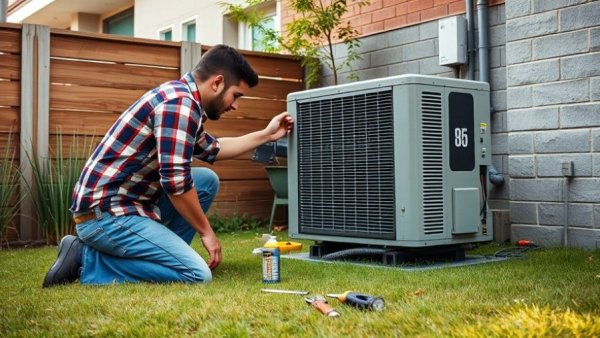
One of the most common reasons for high contractor estimates is the often-overlooked labor costs. Tamer Sayed, an HVAC technician, notes that clients will focus solely on the price of the replacement part, neglecting the substantial labor and consultation fees included in the quote. This situation isn't unique to HVAC repairs—plumbing and electrical jobs carry similar dynamics. It's crucial to realize that labor costs often constitute a significant portion of the overall estimate and reflect the skill and time necessary to complete the job effectively.
Market Fluctuations and Material Prices
Another factor contributing to high estimates is the fluctuation in market prices for construction materials. Recent studies have shown that prices for essential materials like lumber, metal, and specialized equipment have increased due to supply chain issues and rising demand. As a result, contractors must adjust their estimates to reflect current market realities, which can lead to higher costs for homeowners. This trend highlights the importance of understanding the economic landscape when budgeting for home repairs.
Permitting and Regulatory Compliance
In many cities and towns, obtaining the necessary permits for significant home improvements is essential. This not only adds time to a project but also incurs additional costs, as contractors often factor in fees for compliance with local regulations into their estimates. Depending on the scope of the work, obtaining permits can significantly increase expenses—something many homeowners might not initially consider. Therefore, understanding the permit process and its influence on your project budget is important.
Quality of Work and Experience Matters
While it can be tempting to choose the lowest bidder, the quality of work and the experience of the contractor play pivotal roles in determining overall costs. Experienced contractors usually charge more due to their established reputations and expertise. They are likely to provide warranties and have well-defined processes to ensure the work is completed to the highest standards. When evaluating estimates, consider not just the price but what value and peace of mind you're receiving in return.
Frequency of Unexpected Costs
Another often underestimated factor in contractor estimates is the potential for unexpected costs. Home repairs can sometimes uncover hidden issues, such as outdated wiring or plumbing problems that weren't visible during the initial inspection. Skilled contractors will typically include a buffer in their estimates to accommodate these unexpected challenges, which ultimately helps homeowners avoid larger financial surprises later.
Conclusion: An Informed Approach to Home Repairs
Receiving a high estimate from a contractor can initially feel overwhelming. However, by gaining insight into labor costs, market prices, permitting requirements, the importance of experience, and the potential for unforeseen challenges, homeowners can approach these estimates with a more informed perspective. Understanding these factors can transform feelings of anxiety into confidence, enabling you to find the right contractor for your home improvement needs. If you’re considering a renovation or repair, take these considerations into account and communicate openly with your contractor to ensure a smooth process.




Write A Comment