

Add Row
Add Element
cropper
update
Atlanta Home and Garden Insider
update
Add Element
  • Home
  • Categories
    • DIY Projects
    • Sustainable Practices
    • Design Trends
    • Landscaping
    • Lawn and Garden Care
  • Smart Home Tech
  • Interior Design Tips
  • Home Maintenance
October 18.2025
3 Minutes Read

Unlock Your Entryway Potential: Build the Perfect Hall Tree Now!

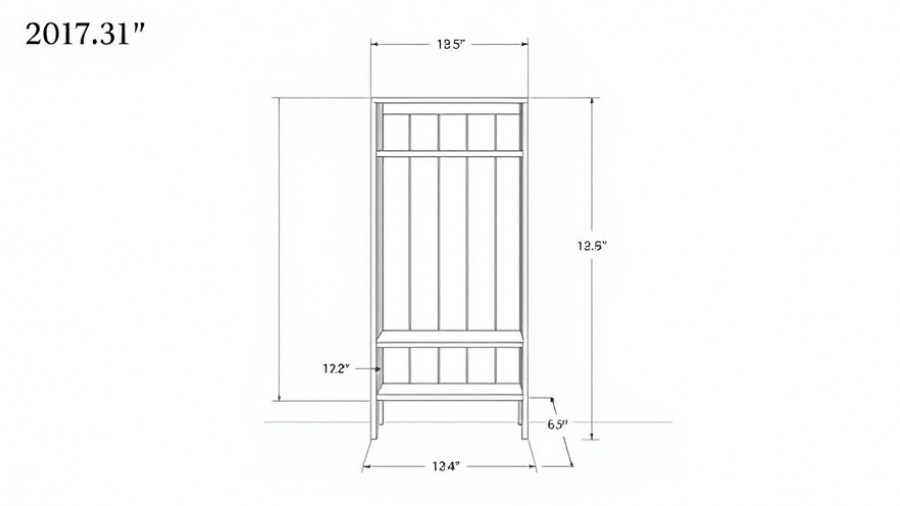
DIY Entryway Hall Tree technical drawing with measurements and labels.

Transform Your Entryway with a Modern Hall Tree

Have you ever walked into a home and instantly felt welcomed? That initial impression often starts at the entryway, where a well-designed hall tree can set the tone for the rest of the home. This article will guide you through building a stylish, functional hall tree that offers both storage and aesthetic appeal, elevating your entryway experience.

Essentials for Your Hall Tree Project

The first step in your DIY project is to gather the right materials. Based on various sources, including plans from Family Handyman and Kreg Tool, you can use quality plywood and solid wood. Look for walnut for its rich color and durability. Depending on your design, you might need tools like a circular saw, miter saw, and a pocket hole jig to ensure precise cuts and sturdy assemblies.

A suggested materials list includes:

  • 3/4" plywood for the body
  • Wood screws and brad nails
  • Coat hooks for functionality
  • Paint or stain to match your home decor

Design Flexibility: Customize to Your Taste!

One of the most appealing aspects of building your own hall tree is the ability to customize it to fit your style and space. Whether you're drawn to a rustic farmhouse design or a sleek modern look, the plans can be adapted. For instance, you can include open cubbies, drawers, or decorative trim details to align with your personal taste.

Consider also the size of your entryway. The dimensions of your hall tree can be adjusted based on the space available, ensuring it serves its purpose without overwhelming your entryway.

Step-by-Step Process: Building Your Hall Tree

The construction process for a hall tree generally involves these foundational steps:

  • Cutting the plywood: Start by cutting the panels to size, adhering to the provided plans to ensure everything fits together correctly. Utilize techniques like pocket holes for clean and hidden joinery.
  • Assembly: Begin with the main structure—assembling the seat and tall cabinets. Secure each piece with wood glue and screws to create a sturdy frame.
  • Finishing touches: Once assembled, sand down any rough edges and apply your chosen finish. A wipe-on polyurethane can offer a protective and aesthetically pleasing layer to your wood.

Practical Tips for a Successful Build

As you embark on your hall tree project, keep these practical tips in mind to streamline the process:

  • Finish before assembly: While some builders prefer to finish each piece before assembling, others find it beneficial to complete assembly before the final finish to avoid application issues. Choose what fits your workflow best!
  • Secure it properly: Given the height and structure of a hall tree, ensuring it is adequately secured to the wall is critical to prevent tipping.
  • Utilize modern tools: Incorporate tools like a Kreg pocket-hole jig to secure connections that are not only strong but also hidden, giving your build a clean look.

The Last Word: Make Your Entryway Shine!

A modern hall tree can transform your entryway into a functional and stylish space where you can drop off your belongings and welcome guests. By following the steps outlined above and adding your personal touches, you’ll create a piece that is not only useful but also resonates with your home’s aesthetic. Start your project today and enjoy the benefits of a beautifully organized entryway!

If this excites you, informative content on home renovations and DIY projects awaits your discovery! Click below to learn more about related projects done by enthusiastic homeowners just like you!

DIY Projects

46 Views

0 Comments

Write A Comment

*
*
Related Posts All Posts
02.24.2026

Discover How to Tile Like a Pro and Enhance Your Home Aesthetics

Update Spring Awakening: Transform Your Home with Artful Touches As February draws to a close, there's an undeniable shift in the air. March, with its promise of warmer days and blooming flowers, invites homeowners to refresh and reinvigorate their living spaces. This seasonal transition offers a perfect excuse to dive into creative home improvement projects. 3 Tips for Displaying Art: Unleash Your Inner Curator Art plays a pivotal role in personalizing your home. Here are three simple yet effective tips to display art like a pro: Mix and Match: Combine various styles and frames for an eclectic look that tells your story. Think Height: Hang artworks at eye level for greater impact. Use shelves or ledges to create different heights. Themed Gallery Walls: Design a gallery wall around a central theme or color palette to provide cohesion. Tile Like a Pro: Enhance Functionality and Aesthetics Tiles aren’t just for flooring; they are transformative elements in any room. Whether it’s a sleek kitchen backsplash or a statement bathroom wall, applying some professional tips can elevate your tiling game: Choose the Right Grout: Think about color contrasts or matching to enhance the tiles' design. Experiment with Layouts: Don’t just think in squares. Consider herringbone or chevron patterns for added flair. Quality Materials Matter: Invest in high-quality tiles that stand the test of time—both in durability and style. The Flow of Home Tours: Tell a Story Ever thought about the importance of the tour flow in your home? A well-organized tour not only impresses guests but also reflects your personality. Set a Theme: Ensure that each space tells a part of your home’s story—starting from the entryway to the living spaces and beyond. Seamless Transitions: Use colors and decor to link one room to another, creating a harmonious path for visitors to follow. Grandmillennial Style: Nostalgia Meets Modernity In an age of sleek minimalism, the grandmillennial style embraces comfort and tradition. This approach is perfect for those who cherish nostalgic elements while incorporating modern sensibilities. Look to blend vintage finds with contemporary pieces to reflect a distinctive flair. DIY Spring Flower Arrangements: A Gentle Approach to Home Decor No home feels complete without the touch of nature. Spring is an ideal season to craft your own flower arrangements. Here’s how to do it: Choose Seasonal Blooms: Daffodils, tulips, and hyacinths are vibrant choices to brighten your home. Play with Heights: Incorporate different stem lengths for visual interest. Natural Elements: Use organic materials like twigs or moss to complement your floral display. Why These Ideas Matter Embracing these design trends not only enhances your home’s aesthetic but also creates a nurturing environment. Each decision fosters warmth and connection, reminding us of the joy that spaces can bring to our lives. As you prepare for brand-new blooms this March, infuse your home with creativity and style! For more insights and tips on transforming your home this spring, embrace the joy of these upcoming projects and enjoy your space like never before. Let the journey of enhancing your home begin today!

02.23.2026

Discover Privacy Fence Plants That Instantly Elevate Your Backyard

Update Transform Your Backyard with Privacy Plants Creating a private sanctuary in your backyard is not just about seclusion; it's about enhancing the beauty and functionality of your outdoor space. The right privacy plants serve as lush screens, softening harsh boundaries while offering seasonal interest and ecological benefits. Here are some of the top plants that can instantly upgrade your backyard landscaping, creating a verdant wall of beauty that draws the eye and calms the mind. Explore the Top Privacy Plants to Enrich Your Outdoor Space Introducing vibrant living barriers can significantly upgrade your garden aesthetic. Much like choosing the right furniture for your living room, selecting the right greenery for your yard is essential. Here are six outstanding choices, combined from various expert insights: Emerald Green Arborvitae: The Go-To Choice for a Vibrant Fence This evergreen is a favorite for many homeowners seeking reliable, year-round privacy. Its upright, narrow form and dense green foliage indeed make it the gold standard for creating a natural fence. Planting them every 2–3 feet ensures a full, lush wall that protects your space while maintaining an organized look. Skip Laurel: Elegant and Low-Maintenance When looking for a beautiful, thick hedge, Skip Laurel stands out with its glossy leaves year-round. Its moderate height makes it versatile for various landscaping styles. Plus, you don’t have to worry about extensive maintenance; just light trimming will keep this plant thriving. Clumping Bamboo: Modern Privacy with a Twist If you’re after a contemporary aesthetic, consider clumping bamboo. Known for its rapid growth and unique appeal, this plant can create a striking resort-like atmosphere in your backyard. Just make sure to opt for the clumping variety to avoid invasive growth. Hydrangeas: Combining Beauty and Functionality For those who don’t want to sacrifice aesthetics for privacy, hydrangeas deliver stunning blooms alongside leafy coverage. Spacing them properly ensures a vibrant hedge that offers texture and charm, perfect for any garden type. Italian Cypress: Tall Elegance for Narrow Spaces Ideal for limited-space settings, the Italian Cypress is a vertical powerhouse. Its tall, column-like growth offers an elegant option that is perfect for Mediterranean-themed gardens. With good drainage and plenty of sunlight, you’ll enjoy a majestic outline along your fence line. Red Twig Dogwood: Four-Season Interest This plant not only provides a vibrant privacy screen but also catches the eye with its bright red stems in winter. It’s a multi-functional plant; the lush green foliage in spring and summer adds a fresh look, making it an excellent choice for those seeking interest throughout the seasons. The Value of Privacy Plants Investing in privacy plants offers numerous advantages. They not only enhance your backyard’s privacy but also contribute to local biodiversity by providing habitats for birds and pollinators. Moreover, compared to traditional fences, plants create a living barrier that adapts to changing seasons, enriching your outdoor experience. Planting Considerations for a Flourishing Landscape When selecting privacy plants, consider factors like climate, soil type, and available sunlight. For instance, while evergreen plants thrive under full sun, there are shade-tolerant options like Skip Laurel that can flourish in dimmer spots. Additionally, keep in mind the spacing requirements of each plant to avoid overcrowding and promote healthy growth. Conclusion Choosing the right privacy plants transforms your outdoor living space into a serene retreat. Not only do these plants provide the seclusion we seek, but they also enhance the overall beauty and value of your property. Ready to redefine your backyard experience? Visit your local nursery or consult with landscape professionals to select the ideal plants tailored to your needs and aesthetic preferences.

02.23.2026

Navigating Recovery: Insights from Hip Surgeries in Late 60s

Update Embracing Change: Navigating Hip Recovery in Your Late 60s As we age, our bodies undergo changes that can sometimes feel overwhelming, particularly when facing major surgeries like hip replacements. In my journey through the final year of my 60s, I've encountered the reality of surgical recovery firsthand. After two hip surgeries, I'm here to share some insights on the challenges and triumphs that accompany this transformative process, and perhaps we can find shared understanding in our experiences. Understanding the Healing Process After Surgery One of the notable aspects of recovering from hip replacement surgery is the time it takes. According to expert sources, the entire recovery process can span up to a year, especially for older adults. After my second surgery, I learned that while I might be healing well overall, the recovery is highly individualized. I've found that patience truly is a virtue during this phase. Simple tasks like walking can become a full-time effort, and navigating the landscape of post-surgery life requires consistent dedication to both physical and mental well-being. Importance of Physical Therapy: Charting the Way Forward Engaging with physical therapy has been pivotal for my recovery. I'm ready to regain strength and mobility, but I also need help along the way. In my experience, physical therapy isn't merely about regaining what was lost—it's about strengthening the body and mind to adapt to new realities. As highlighted by recent studies, seniors who engage in regular physical activity and have active social lives tend to recover more effectively. This reinforces the notion that staying motivated and connected with others can enhance our recovery journey. The various exercises I’ve embraced, from lifting weights to gentle yoga stretches, reflect my commitment to reclaiming my health. Tackling Emotional and Cognitive Challenges Recovery isn't just a physical endeavor; it also involves grappling with emotional and cognitive challenges. Like many others who undergo similar surgeries, I’ve felt waves of frustration and sometimes sadness as I navigate this healing journey. Issues such as sleep disturbances and memory lapses can complicate recovery, making it essential to address both mental and emotional health concurrently. Sharing experiences with friends who understand our struggles helps to create a supportive network. It’s crucial to have a dialogue about what we’re going through, identifying common emotional responses that accompany physical challenges. Maintaining Independence and Quality of Life As I grapple with the uncertainties of recovery, it's vital to hold onto my independence and quality of life. Staying engaged with hobbies, family, and community interactions plays a significant role in maintaining a balanced and fulfilling life during recovery. Researchers have found that active participants in their own rehabilitation often experience quicker recovery times. Additionally, preoperative education can provide the tools necessary to approach recovery with actionable insights. I often rely on my family for help with daily activities while continuously fostering my independence—you can still thrive in recovery, and so can I. Conclusion: Perseverance in the Face of Challenges As my body undergoes this significant transition in my late 60s, I’m reminded that the road to recovery is often winding, yet filled with promise. Each day offers a new opportunity to embrace healing, communicate our needs, and develop resilience. While I may not meet the 10,000 steps recommendation, I prioritize consistency over volume, choosing movements that feel right for my body. If anything is clear, it’s that the healing journey after hip surgery involves patience and dedication. If you find yourself on a similar path, remember that you are not alone—let's continue to share our stories and support each other as we navigate this journey together. Let’s embrace the challenge of recovery and support each other in achieving that healthier, more vibrant life we all deserve.

Terms of Service

Privacy Policy

Core Modal Title

Sorry, no results found

You Might Find These Articles Interesting

T
Please Check Your Email
We Will Be Following Up Shortly
*
*
*