
cropper
update
Atlanta Home and Garden Insider
update
  • Home
  • Categories
    • DIY Projects
    • Sustainable Practices
    • Design Trends
    • Landscaping
    • Lawn and Garden Care
  • Smart Home Tech
  • Interior Design Tips
  • Home Maintenance
March 25.2025
3 Minutes Read

Unlock the Secrets of a Vibrant Winter Garden: Color and Scent Guide

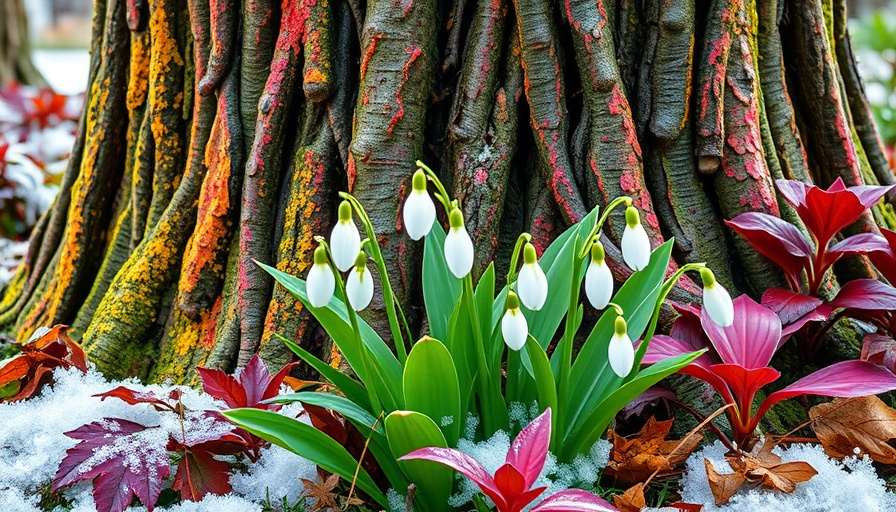
Vibrant winter garden with colorful plants and snowdrops.

Bringing Life to Winter Gardens: Why Color and Scent Matter

As winter casts its long, grey shadow over gardens, many homeowners overlook the potential vibrancy that can thrive during the coldest months. However, a recent visit to Kew Gardens’ new Winter Garden illuminated just how captivating winter flora can be. As I strolled through the space with my daughter, the surprising array of colorful and fragrant plants transformed our notion of winter gardens. Here are some insights into how you can create your own vibrant winter sanctuary.

Using the Landscape to Your Advantage

The layout of the Winter Garden at Kew is masterful. Designed around a gentle slope, it allows visitors to immerse themselves in a fantastic array of plant combinations. A winding path encourages exploration, demonstrating that even a small area can become an inviting winter wonderland. This method offers an opportunity for homeowners to reimagine their garden spaces, particularly if they have inclines or similar features.

Deciduous Trees: An Overlooked Beauty

One of the standout features of Kew’s Winter Garden is the presence of deciduous trees. Contrary to the assumption that evergreens are essential for winter color, this garden showcases a variety of deciduous trees with striking bark and sculptural forms that offer winter interest even without leaves. For example, the striking peeling bark of the Prunus Serrula ‘Tibetica’—the Tibetan Cherry—glows in the morning sunlight, creating a stunning visual even in the depths of winter.

Smart Plant Combinations for Winter Color

The carefully selected plant combinations play a crucial role in creating a lush tapestry of color. Mixing plants with different textures and bark colors, as seen at Kew, encourages a dynamic visual experience. Homeowners can learn from these combinations to design spaces that contrast smooth and rough bark, adding depth and interest. Some great examples include the vivid red stems of Cornus alba (red-twig dogwood) alongside the deep greens of winter-hardy shrubs.

The Importance of Choosing the Right Specimen Trees

Choosing the right specimen trees can make or break a winter garden. Trees like the Tibetan Cherry not only offer visual appeal but also serve as focal points that anchor the overall design. When planning a winter garden, think about how certain trees will stand out against the winter landscape. Investing in quality pruning and consulting with a skilled tree surgeon will allow you to emphasize beautiful shapes and unique bark textures.

Winter Garden Maintenance Tips

Maintaining vibrancy in a winter garden might seem daunting, but it is much simpler than it appears. Regularly checking for any signs of pests or decay, especially in the winter months, ensures that your plants remain healthy. Additionally, it’s beneficial to familiarize yourself with winter pruning techniques, which can promote growth in the spring. As noted at Kew, diligent care leads to breathtaking transformations.

Innovating with Technology in the Garden

Incorporating technology into your winter gardening efforts isn't just practical—it's transformative. From smart watering systems that adjust to weather conditions to apps that track plant growth and health, technology can enhance your gardening experience seamlessly. These innovations allow busy homeowners to maintain vibrant gardens even during the coldest months without the worry of over or under-watering.

As winter approaches, consider stepping out of the box and experiment with the possibilities of your garden. Kew Gardens reminds us that winter can indeed be colorful and fragrant with the right selections. Invest time in your winter garden and watch as it transforms into a lush retreat, even amidst the chill.

For those looking to create their own beautiful winter garden, take the learnings from Kew and invest in a diverse range of deciduous trees and creative plant combinations. Embrace the winter season by bringing vibrant color and scent to your outdoor spaces.

Call to Action

Ready to enhance the beauty of your winter garden? Start by visiting your local nursery to explore a variety of deciduous trees and unique plants that can bring life to your winter landscapes. Embrace the chilly months with color, scent, and innovation!

Sustainable Practices

16 Views

0 Comments

Write A Comment

*
*
Please complete the captcha to submit your comment.
Related Posts All Posts
06.06.2026

Why Japanese Maples Are the Perfect Garden Tree for Homeowners

Update Why Japanese Maples Shine as the Ideal Garden Tree For homeowners seeking to elevate their outdoor spaces, Japanese maples (Acer palmatum) stand out as a perfect choice, offering both beauty and versatility. With stunning autumn colors and graceful forms, these compact trees are appropriate for various landscape designs, making them a beloved staple in gardens around the globe. Unique Attributes of Japanese Maples What truly sets Japanese maples apart from other varieties lies in their ornamental qualities. According to Miles Hayward, a noted grower and Vice-chair of the Maple Society of Britain and Ireland, these trees proliferate a sense of aesthetic balance in any garden. Their smaller stature makes them a great fit for limited spaces, while the diverse range of cultivars can cater to the specific light and soil conditions of each garden. Historic Roots and Timeless Appeal Dating back to the 7th century in Japan, Japanese maples have long been celebrated as living artworks. Over centuries, they have become renowned not only for their beauty but also for their role in traditional Japanese garden styles that emphasize harmony and tranquility. With their spectacular hues transitioning from fresh greens in spring to vibrant oranges and deep reds in autumn, they leave a striking impression year-round. Planting Tips for Optimal Growth For anyone thinking about adding a Japanese maple to their landscape, timing and location are critical. Experts recommend planting during the cooler months of autumn, from October to March, to give the roots time to establish in milder climates. When selecting a site, partial shade is ideal, as too much direct sunlight can scorch the delicate leaves of some varieties. Furthermore, Japanese maples thrive best in well-draining, slightly acidic soil enriched with organic matter. Container Gardening: A Practical Approach Japanese maples can also flourish in containers, making them perfect for patios or small decks. When grown in pots, it is essential to choose containers that allow adequate drainage. Regular monitoring of moisture is crucial, as pots can heat up more quickly than garden beds. For those new to gardening, starting with a hardy variety like Bloodgood is recommended due to its robust nature and exquisite deep red foliage. Common Misconceptions About Japanese Maples There are several myths surrounding Japanese maple care that can deter potential growers. A common misconception is that these trees require constant pruning. In reality, Japanese maples often need minimal intervention, and unnecessary trimming can harm their natural grace. Instead, thin out crossing branches and allow the tree to maintain its original shape. Overcoming Challenges in Maple Care While Japanese maples are generally hardy, they do face challenges such as leaf scorch in high winds or intense sunshine. To combat this, positioning them away from direct exposure and maintaining adequate moisture can make a substantial difference in their health. Pest issues, like vine weevil larvae, can also arise in container plants, so vigilant observation is crucial for orchard success. Concluding Thoughts: Transforming Your Garden with Japanese Maples Japanese maples offer an exceptional opportunity for gardeners looking to create a stunning visual centerpiece. Their compact nature and seasonal aesthetic shifts provide year-round enjoyment, while their low-maintenance requirements make them ideal for the busy homeowner. Take the initiative today—consider augmenting your garden with one of these exquisite trees and enjoy the lasting beauty and tranquility they can bring to your outdoor space.

05.21.2026

Discover Creative Artificial Grass Patio Ideas for Your Home

Update Transform Your Outdoor Oasis with Artificial Grass Patios In an age where outdoor living has taken center stage, homeowners are looking for innovative ways to enhance their patios. Artificial grass patio designs are not just a trend but a sustainable answer to the challenges of maintaining natural lawns. Whether you're a busy professional, a family with kids, or a pet owner, these creative ideas can transform your outdoor spaces into lush, inviting environments. Kid-Friendly Areas That Promote Play and Imagination Creating a play zone with artificial grass is perfect for families. By installing synthetic turf, you give children a safe and comfortable area to play. You can enhance this space with colorful bean bags, tents, sandboxes, and chalkboards. According to recent findings, green areas are vital for children’s emotional and cognitive development. With adorned play zones, you encourage creativity in a safe, low-maintenance environment. Restaurants Reimagined: The Benefits of Synthetic Grass Business owners are discovering the potential of artificial grass in transforming restaurant patios. An inviting patio not only enhances the customers' dining experience but also reduces maintenance costs and saves water. Promoting active engagement through lawn games can attract more guests and create a vibrant atmosphere. Such upgrades ensure that the establishment remains appealing throughout the year, showcasing the lasting benefits of indoor-outdoor dining. Cozy Seating Areas: The Heart of Home Gatherings Imagine hosting gatherings with friends on a soft, grass-like surface. Cozy seating areas built over synthetic turf can provide that inviting touch. By adding outdoor sofas, colorful cushions, and string lights, you create an intimate vibe perfect for relaxation. The contrast of softness against hard surfaces allows for a inviting area that feels luxurious, encouraging homeowners to enjoy their spaces more actively. Artistry in Design: Geometric Patterns and Turf Integration For those looking to make a bold statement, incorporating artificial grass into geometric designs gives a modern edge to any patio. This approach, combining hardscapes with turf, enhances visual appeal while maximizing usability. The integration of pathways, checkerboard designs, or grids creates a distinct look that modernizes outdoor spaces and becomes the focal point of gatherings. Vertical Gardens: The Ultimate Urban Oasis Vertical gardens created with artificial turf not only beautify small spaces but also act as sound barriers against urban noise. By installing artificial turf on walls and integrating planters, you turn a simple patio into a chic environment. The use of artificial ivy and flowers can complement living walls, bringing nature closer even in the heart of the city. Why Choose Artificial Grass? The advantages of artificial grass for patios extend beyond aesthetics. Its low maintenance requirements mean no mowing, watering, or fertilizing—allowing homeowners to save time and money. Additionally, the evergreen nature of synthetic turf ensures that your patio looks pristine year-round, enhancing the overall visual appeal. FAQs About Artificial Grass for Patios What are the benefits of adding artificial grass to a patio? Low maintenance, visual appeal, and functionality are key benefits of synthetic grass. Can I place patio furniture on artificial grass? Yes, as long as furniture has smooth edges to avoid tearing. Is artificial grass safe for children? Absolutely! It’s certified PFAS-free and leads free, making it a fantastic surface for play. Get Started on Your Dream Patio! Ready to transform your space with artificial grass patio ideas? Reach out to our experts at Watersavers Turf for guidance, answers to your questions, and free estimates. Visit our stores to grab a free sample and start creating a stylish outdoor retreat.

05.20.2026

Transform Your Backyard with Insights from RHS Chelsea 2026 Trends

Update Garden Transformation: Embrace the Trends from RHS Chelsea 2026 The RHS Chelsea Flower Show is often seen as a beacon of garden innovation, and the 2026 show has shifted our understanding of what beautiful and functional gardens can look like. Highlighting local and resilient planting, this year's trends not only address aesthetic desires but also respond to changing environmental conditions and the need for sustainability in our gardening practices. Why Local Plants Are Key to a Sustainable Garden One of the standout themes from RHS Chelsea 2026 is the focus on local and resilient plants. Gone are the days of manicured lawns and high-maintenance, exotic foliage. Instead, designers embraced plants that thrive in their native environments. As the climate fluctuates unpredictably, gardens must adapt. This embrace of local flora not only creates beautiful landscapes but also supports local wildlife—an increasingly important consideration for modern gardeners. According to experts, incorporating more native species results in gardens that require less water and maintenance. For instance, the self-seeding honesty (Lunaria annua), which decorates many show gardens this year, serves both aesthetic and ecological functions, attracting pollinators while enhancing biodiversity. Creating Cozy Outdoor Retreats: A Growing Trend The idea of the garden as a personal retreat continues to resonate. Many designers incorporated calming elements into their designs—think tranquil water features, soft plantings, and areas for quiet contemplation. The trend suggests that gardens should serve as sanctuaries, offering solace in our hectic lives. Gardens like the 'Breathing Space' designed for asthma and lung health focused on soothing features, while landscapes filled with fragrant plants aim to engage the senses. These intimate and thoughtful configurations make it easy for homeowners to ponder how they can craft their own refuge. Naturalistic Planting: The Wild Side of Gardening Another significant trend is the move toward naturalistic planting, which embraces the concept of 'letting nature do its thing.' Instead of rigid designs, gardens featured a looser approach where native species mixed freely, symbolizing growth and wild beauty. Designers like Sarah Eberle brought wild plants—often dismissed as weeds—into the limelight, highlighting how these species can contribute to thriving ecosystems. As reported from the show, gardens now welcome buttercups, cow parsley, and other native flora that many previously considered unruly. By allowing these elements into our gardens, we not only foster a richer habitat for wildlife but also ease the burden of maintaining sterile landscapes. How to Work with Nature, Not Against It The overarching message from RHS Chelsea 2026 is to stop fighting the natural elements and start listening to them. Gardeners are encouraged to assess their local conditions and create spaces that resonate with the surroundings rather than impose their will upon them. This could mean accepting a patch of clover as part of a lawn or allowing wildflowers to brighten neglected corners. Embracing this philosophy will render gardens more resilient to weather challenges while promoting ecological health. For example, gardens that incorporate rainwater harvesting or artificial water features not only provide beauty but also serve to manage resources responsibly in unpredictable climates. Incorporate These Trends into Your Own Space With such inspiring insights from the RHS Chelsea Flower Show, homeowners have a wealth of ideas to implement in their outdoor spaces. Start small by introducing native plants into your garden. Research what thrives in your region and begin adding elements that foster wildlife, like bird boxes or insect hotels. Leveraging naturalistic layouts by allowing plants to intertwine can create a more organic feel in your landscaping. Lastly, don't shy away from creating calm retreats—consider including water features, shaded sitting areas, or lush planting to enhance your garden's sanctuary potential. The principles illustrated at the show reflect a nurturing coexistence with nature, and the joy in our gardens comes from collaboration with the environment. To stay updated on the latest designs and practical gardening advice, it’s time to get hands-on and let RHS Chelsea 2026 inspire your personal gardening journey!

Terms of Service

Privacy Policy

Core Modal Title

Sorry, no results found

You Might Find These Articles Interesting

T
Please Check Your Email
We Will Be Following Up Shortly
*
*
*