

Add Row
Add Element
cropper
update
Atlanta Home and Garden Insider
update
Add Element
  • Home
  • Categories
    • DIY Projects
    • Sustainable Practices
    • Design Trends
    • Landscaping
    • Lawn and Garden Care
  • Smart Home Tech
  • Interior Design Tips
  • Home Maintenance
March 25.2025
2 Minutes Read

Unlock the Potential of Your Yard: Why Hiring a Certified Horticulturist Matters

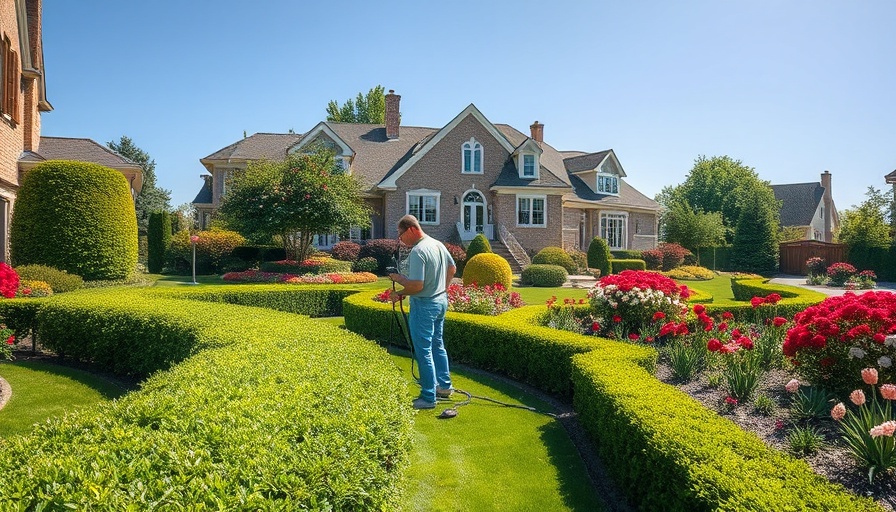
Professional landscape team maintaining a lush garden.

The Importance of a Certified Horticulturist in Landscape Design

When considering landscaping options, one crucial aspect to evaluate is whether the landscape firm employs a certified horticulturist. This certification signifies that the professional possesses expert knowledge of plant biology, growth patterns, and optimal planting techniques. This specialized expertise can significantly enhance the beauty and sustainability of your landscape design, ensuring that plants thrive in harmony within your environment.

Ensuring Sustainable Practices Through Knowledge

With increased awareness of environmental responsibility, homeowners are increasingly seeking sustainable landscaping solutions. A certified horticulturist can provide insights on native plants and sustainable practices that reduce water consumption and support local ecosystems. According to the National Association of Landscape Professionals, implementing sustainable practices not only benefits the environment but can also enhance a property’s value by up to 15%.

Addressing Common Misconceptions About Hiring Professionals

Many assume that standard landscaping services will meet their needs, but this is often a misconception. While general landscapers can handle basic tasks, they may lack the specialized training to make informed decisions about plant selection and care. Without a horticultural expert, homeowners risk choosing plants that do not thrive or require excessive maintenance, detracting from the overall appeal and functionality of their landscapes. Understanding this distinction helps highlight the unique benefits a certified horticulturist brings to the table.

The Financial Sense of Hiring Expertise

Investing in a landscape firm with a certified horticulturist involves upfront costs but can lead to substantial long-term savings. Gardeners may misapply resources by over-watering or using the wrong plant varieties, creating a cycle of unnecessary expense and upkeep. A certified horticulturist ensures that planting choices align with the local climate and soil conditions, leading to lower water usage and healthier plants.

Innovative Technologies in Landscape Design

The integration of technology into landscaping has transformed how design firms operate. Many now employ software to create 3D renderings of landscapes that include plant health simulations and growth projections. A certified horticulturist not only works with this technology but also provides input on optimal plant placement and compatibility, thus ensuring the landscape evolves beautifully over time.

Future Trends: Landscaping with a Vision

As we move towards smarter cities, the role of horticulturists is expected to expand, incorporating urban wildlife habitats and vertical gardens in residential areas. Homeowners can benefit immensely from trends that emphasize biodiversity and aesthetic appeal. Horticulturists are adept at envisioning these trends and integrating them into long-term landscaping plans, ultimately enriching the lives of homeowners.

Taking Action: Elevate Your Landscape

If you are contemplating a landscape project, consider the myriad of benefits that come with hiring a firm that employs a certified horticulturist. The blend of artistic vision, scientific knowledge, and sustainable practices can significantly enhance your outdoor space. Don't settle for basic landscaping; invest in expertise that pays dividends in aesthetics and sustainability.

Design Trends

10 Views

0 Comments

Write A Comment

*
*
Related Posts All Posts
02.19.2026

Transforming Your Front Yard: Essentials for Impressive Landscaping

Update The Foundations of Front of House Landscaping If you're contemplating an investment in front of house landscaping, it’s crucial to take a comprehensive approach. Beyond mere aesthetics, the right design enhances both functionality and curb appeal. As homeowners, you should consider three essential elements: the architectural style of your home, the desired level of privacy, and the integration of hardscape elements. Architectural Harmony: A Key Element The first step in planning your front yard is aligning the landscape style with your home’s architecture. A well-designed landscape should reflect and harmonize with the architectural lines and materials of the house. For instance, a classic Victorian might benefit from intricate flower beds and winding paths, while a contemporary home often pairs well with clean lines and minimalistic plantings. Incorporating the right elements creates visual cohesion. Your landscaping choices, from plant varieties to hardscaping materials, should mirror the characteristics of the home—symmetry in a traditional setting and geometric shapes in a modern home. Privacy and Functionality The next critical point is understanding your privacy needs. This involves assessing how much screening you require from street view and how you want to interact with your surroundings. Options like strategic planting or the installation of fences and walls can help create a buffer that shields your space while still allowing for aesthetic appeal. Moreover, functionality should guide your design. Consider your patterns of use: how do people access your home? Are you creating areas for pedestrians, vehicles, or both? Your layout should facilitate easy movement while enhancing the landscape’s beauty. Hardscaping: The Backbone of Your Design Hardscape elements are essential in landscaping as they provide structure and versatility. Driveways, walkways, and patio areas should not only serve practical purposes but also define the overall style and flow of your yard. For example, a natural stone path can complement a rustic home, while a sleek concrete walkway suits a modern aesthetic. By detailing these hardscaping features thoughtfully, you not only increase accessibility but also add value to your property—a vital factor for homeowners aiming to enhance their investment. Future Trends in Front Yard Landscaping Looking ahead, incorporating sustainable practices into your landscaping will become increasingly vital. Homeowners are shifting towards greener solutions that include native plants, which require less water and are easier to maintain. Smart technology, such as automated irrigation systems, can also become part of your landscaping toolkit, ensuring that your designs can adapt to future environmental needs. The Emotional Connection: Enhancing Your Arrival Experience Your front yard should elicit a sense of pride upon returning home. This emotional connection can be cultivated through the thoughtful arrangement of visual elements that capture your personal aesthetic. Elements like seasonal flowers or a welcoming entryway can transform a mundane arrival into a delightful experience. Practical Steps for Your Landscaping Journey As you embark on this project, here are a few practical tips: Assess your home and neighborhood for design cues. Involve a landscape architect to help you align your vision with professional insights. Consider long-term maintenance and environmental sustainability in your selections. By embracing these essentials, you can turn your front yard into a welcoming space that speaks volumes about your style and commitments to community aesthetics. With careful planning and the right elements, front of house landscaping can enhance your home’s curb appeal and create a lasting impression. Are you ready to elevate your home's landscaping? Reach out for a consultation today and let’s discuss how we can help you realize your vision!

01.30.2026

Discover How Backyard Water Features Fill Your Space With Serenity

Update Transform Your Outdoor Space with Serene Water Features As homeowners increasingly seek harmonious retreats in their backyards, the integration of water features has emerged as a popular choice. By incorporating elements like fountains, waterfalls, and ponds, you can create a sensory haven that not only beautifies your space but also provides soothing sounds that mask everyday stressors. This article explores various water features and their benefits, while offering tips on choosing the right ones for your landscape. Understanding Different Types of Water Features Water features can range widely in design and purpose, each bringing a unique ambiance to your yard. Fountains, often viewed as elegant centerpieces, can vary in style from classical tiered structures to minimalist options that fit modern aesthetics. These features not only bring beauty but also create gentle sounds that can mask urban noise, making them especially appealing to homeowners in busy areas. On the other hand, waterfalls transform yards into lush escapes, especially when integrated into sloped terrains. Their cascading waters produce a natural auditory backdrop that can be both calming and invigorating, particularly when accentuated with rocks and greenery. Ponds, too, serve as tranquil spots that attract wildlife and provide a serene environment, encouraging relaxation amidst nature. Benefits of Integrating Water Features The sound of flowing water is scientifically proven to reduce stress and contribute to mental well-being. Homeowners can bask in the tranquility that these elements provide, promoting a peaceful outdoor environment. Furthermore, strategically placed water features can increase property value, making your investment in landscaping even more worthwhile. Beyond aesthetics, these features help boost biodiversity. Ponds and streams create habitats for a variety of wildlife, enhancing the ecological balance in your garden. Birds, frogs, and beneficial insects can thrive in these habitats, enriching your outdoor space's vibrancy and interactions. Selecting the Right Feature for Your Yard Choosing the appropriate water feature requires careful consideration of your available space and desired aesthetic. In smaller gardens, you might opt for a compact wall-mounted fountain or a bubbling fountain in a pot. These options deliver the desired sound without overwhelming the area. Conversely, expansive landscapes can accommodate more elaborate designs like large ponds or multi-tiered waterfalls. It's essential to evaluate how much splash and sound energy you want. A fountain that’s too loud may induce stress rather than relaxation, whereas one set at a distance can provide a peaceful murmur that enhances tranquility. Enhancing Your Landscape Design with Water Features When designing your landscape, water features should harmonize with your overall garden style—be it naturalistic or formal. For those leaning toward a more organic feel, Japanese-inspired fountains with bamboo spouts offer a seamless integration into lush green spaces. Alternatively, modern sculptural fountains can provide a focal statement in minimalist gardens. Beyond sound and aesthetics, integrating aquatic plants—like water lilies or cattails—can further enrich your space. These plants not only enhance the visual appeal but provide habitats for local wildlife, fostering a deeper connection between your yard and nature. Conclusion: Create Your Personal Oasis Backyard water features represent an ideal solution for homeowners eager to blend aesthetics with tranquility in their outdoor spaces. From soothing waterfalls to playful fountains, the right water feature can provide a transformative element to any garden. Ready to make your backyard a serene retreat? Consider consulting with expert designers who can guide you in selecting and creating water features that best fit your landscape. This investment can provide long-lasting benefits, turning your home into a captivating oasis where peace and nature reign.

01.16.2026

Discover Stunning Front of House Lighting That Illuminates Your Path

Update Illuminate Your Path: The Importance of Front House Lighting When it comes to front-of-house lighting, many homeowners focus on functional aspects rather than appreciating the aesthetic impact it can create. Most houses benefit from basic utility lights—think entryway sconces, a few low path lights, and perhaps a lamp post. These essentials serve their purpose but often lack the creativity needed to make an indelible first impression. A balanced lighting plan should not only illuminate the entryway but also highlight the architectural beauty of your home and landscape. Redefining Your Entry Experience As you approach your front door, the lighting should guide your way while creating an inviting ambiance. A thoughtfully designed front yard can transform an ordinary arrival into an extraordinary experience. By incorporating the principles detailed in the reference article, homeowners can achieve three primary objectives in their outdoor lighting: utility, safety, and aesthetic appeal. Striking the right balance among these elements turns a mere walkway into a visually inviting journey. Safety First: The Critical Role of Illumination Your first priority when designing your front-of-house lighting scheme should be safety. A poorly executed lighting design may create blind spots or overly bright areas, both of which compromise visibility. According to landscape lighting experts, a lack of well-placed path lighting can lead to dangerous situations, especially if your home features multiple levels or complex terrain. Illuminating steps, paths, and entryways not only prevents accidents but also enhances the security of your property, acting as a deterrent for potential intruders. Making Your Home Shine: Aesthetic Considerations Beyond safety and utility, front yard lighting lends itself to creative possibilities that can accentuate your home’s architectural features and landscaping. According to a blog post on CAST Lighting, here are several lighting ideas that can enhance the visual allure of your yard: Entryway Lights: Choose attractive yet functional fixtures to illuminate your front door. Path Lights: Strategically placed along walkways to provide a clear path while enhancing foliage. Spotlights: Ideal for highlighting special features in your landscape. Wall Lights: Use these to cast a soft glow around your home’s exterior. Ground Lights: Perfect for accentuating flower beds or unique architectural plants. Each of these lighting types plays a pivotal role in enhancing both the beauty and safety of your home, acting as a canvas for creativity. Balancing Form and Functionality As you contemplate your front yard lighting design, consider working with a landscape architect. They can help you harmonize beauty with practicality, ensuring your lawn is not just a night-time spectacle but also a safe and functional environment. Emphasizing visual appeal does not mean sacrificing safety; rather, it should elevate the overall experience of coming home. Making the Most of Your Investment Investing in smart outdoor lighting offers a long-term return on investment. Not only do outdoor lights enhance curb appeal, but they also significantly improve the safety and security of your environment. Incorporating LED lighting techniques, which are energy-efficient and multifunctional, can lead to significant energy savings while still achieving the visual effects desired. In conclusion, front-of-house lighting does not have to be merely functional; when designed thoughtfully, it can create an inviting and secure atmosphere while showcasing the beauty of your home. As we embrace innovative lighting technologies, opportunities abound to elevate your home’s exterior to new visual heights. Let your front yard lighting illuminate not just your path, but your evenings spent enjoying a beautifully crafted space. If you're ready to transform your home into a beacon of aesthetic charm and safety, now is the time to explore your options!

Terms of Service

Privacy Policy

Core Modal Title

Sorry, no results found

You Might Find These Articles Interesting

T
Please Check Your Email
We Will Be Following Up Shortly
*
*
*