
Add Row
Add Element
cropper
update
Atlanta Home and Garden Insider
update
Add Element
  • Home
  • Categories
    • DIY Projects
    • Sustainable Practices
    • Design Trends
    • Landscaping
    • Lawn and Garden Care
  • Smart Home Tech
  • Interior Design Tips
  • Home Maintenance
March 25.2025
3 Minutes Read

Unleash the Beauty of Your Garden: Lessons from Oudolf’s Design

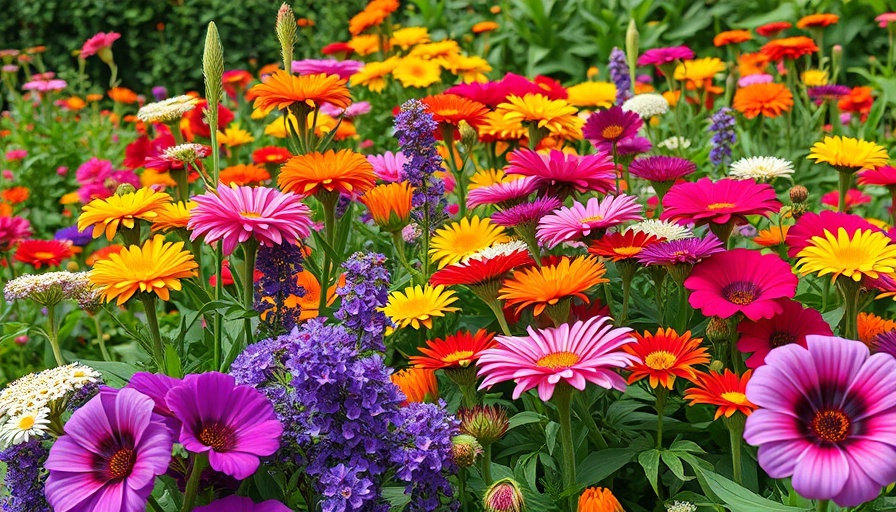
Lush naturalistic planting with colorful flowers in bloom.

Discover the Oudolf Landscape: A Gateway to Natural Gardening

The newly unveiled Piet Oudolf borders at RHS Wisley represent more than just a visual feast for garden enthusiasts; they embody an accessible approach to naturalistic gardening that bridges the gap between professional landscaping and everyday home gardening. With its strategic use of block and matrix planting, this landscape guides visitors through a transformative experience that can be replicated in gardens of various sizes.

Lesson 1: Embracing Naturalistic Planting

At its core, naturalistic planting draws inspiration from nature itself. As defined by horticultural legends Noel Kingsbury and Piet Oudolf, it combines plants that thrive in local ecosystems and arranges them in a way that mimics their occurrences in the wild. This type of design means selecting flora that share conditions—ensuring a low-maintenance approach fit for busy homeowners. The elegance of the Oudolf Landscape lies in its adherence to this philosophy, making it a reference point for gardeners looking to embrace sustainability while achieving aesthetic appeal.

Lesson 2: The Benefits of Low Maintenance

One of the most appealing aspects of naturalistic planting is its low maintenance requirements. By choosing plants that naturally thrive in your local soil and climate, you limit the need for excessive weeding, pruning, or fertilizing. This is a particularly important consideration for homeowners who may not have the time to dedicate to intensive gardening. The Oudolf borders at RHS Wisley demonstrate this principle effectively; even in their first year, the borders look stunning and have required minimal upkeep, allowing garden-lovers to enjoy their beauty without laborious care routines.

Lesson 3: Designing for Biodiversity

The architectural design of the Oudolf Landscape is not merely ornamental; it has profound implications for biodiversity. The thoughtful selection of indigenous plants helps create habitats for local wildlife, thus elevating the garden’s ecological status. Home gardeners can replicate this strategy by choosing plants that attract pollinators and provide food and shelter for native species. This approach enriches the garden's ecosystem, making it a haven for both flora and fauna.

Lesson 4: Visual Cohesion through Strategic Planting

Piet Oudolf’s technique blends aesthetics with ecology, establishing a unique visual narrative within the garden shapes and colors. The use of plant combinations that flow well together visually not only enhances the garden's beauty but also reflects the natural composition of plant communities found in the wild. Gardeners can apply this principle by creating zones within their own spaces—selecting groups of plants that echo the colors, forms, and growing patterns observed in nature. This strategic blending promotes a sense of harmony that can make even the smallest of gardens appear larger and more inviting.

Lesson 5: How to Get Started with Naturalistic Planting

Gardeners looking to adopt this style can start by visiting gardens that showcase naturalistic planting, such as RHS Wisley or exploring local parks that feature native plants. Observing nature directly allows for a deeper understanding of how plants naturally grow and coexist. Furthermore, combining knowledge gained from these sources with personal experimentation can lead to a rewarding gardening journey. Starting with a few well-chosen native plants can kickstart the transformation of a backyard into a vibrant landscape that celebrates local ecosystems.

Wrapping It Up: A Call to Action

Now more than ever, it's time for homeowners to engage with the concept of naturalistic planting as seen in the Oudolf Landscape at RHS Wisley. The blend of beauty, sustainability, and ease of maintenance makes this gardening style a perfect fit for modern lifestyles. Whether you're in a small courtyard or a spacious estate, there are significant benefits woven into this approach. To fully appreciate its evolution, consider visiting RHS Wisley, or explore local gardening workshops to empower your gardening journey into a sustainable future.

Sustainable Practices

10 Views

0 Comments

Write A Comment

*
*
Related Posts All Posts
02.21.2026

2026 Gardening Revolution: Why Soil Health is Key for Thriving Gardens

Update Gardening in 2026: The Soil Revolution As we delve into gardening trends for 2026, it’s important to acknowledge a fundamental shift taking root within the gardening community: soil is finally stealing the spotlight. Historically sidelined as 'just dirt,' soil is fast becoming recognized as the cornerstone of a vibrant, healthy garden. This year, a growing chorus of experts highlights the necessity for all gardeners to reassess their relationship with this essential resource. Soil Health: The New Gardening Frontier At significant events like the Garden Press Event in London, new methodologies surrounding soil health featured prominently. Terms like 'regenerative gardening' and 'living soil' are increasingly popular, indicating a collective realization among gardeners that optimizing soil is crucial for splendid blooms and bountiful harvests. Gardeners are now embracing the idea that a thriving ecosystem below ground correlates with resilience, nutrient availability, and a reduction in gardening labor over time. Understanding the Importance of Mulch In 2026, understanding the nuances between mulch and fertilizers has taken center stage. While traditional fertilizers offer quick solutions, they fail to establish a lasting foundation for soil health. Expert advice has steered gardeners toward mulch, which acts more as a protective layer, conserving moisture and feeding beneficial microbes. As mulch decomposes, it enriches the soil gradually, supporting long-term garden vitality. The Shift to Organic Practices and Regenerative Gardening Gardening today is also about sustainability. The latest trends are veering towards practices that protect and nurture the soil. Concepts such as no-till gardening, where compost and organic matter are layered rather than tilled into the earth, are gaining popularity. Minnesota gardeners have successfully adopted no-till methods to create better soil conditions with less effort, thus preserving the valuable microbial life essential for plant health. Transforming Spaces with Native Plants Embracing native plants is another trend that continues to shape 2026 gardening practices. Native species, adapted to local ecosystems, offer numerous benefits, including better resistance to local pests and lower water requirements. They also promote pollinator health, creating a sanctuary for bees and butterflies, which are vital for successful crop production. Replacing conventional plants with natives is more than just beautifying the garden—it's about creating a sustainable habitat. How to Get Started with Living Soil For homeowners eager to join the soil health movement, starting with living soil practices is recommended. Transitioning to organic fertilizers rich in microbes, incorporating compost regularly, and reducing tillage are critical steps. Utilizing mulches to protect soil and enhance its quality will further boost soil health. Gardening should be about creating ecosystems where nature thrives, naturally suppressing pests and strengthening plant growth. Maximizing Garden Productivity with Minimal Effort In 2026, the realization that healthy soil leads to less maintenance in the garden is resonating with more gardeners. By creating an environment where plants can fend for themselves, gardeners save time and resources. Switching to organic methods doesn't just alleviate environmental concerns; it also makes gardening less labor-intensive and more enjoyable. Conclusion: Embrace the Soil Movement The movement towards prioritizing soil health is more than a trend—it’s a transformative approach to gardening that benefits you and the environment. The promise of enhanced plant health, reduced labor, and sustainable practices is too appealing to ignore. Start your journey by investing in your soil, and witness the rewards unfold in your garden. If you’re eager to learn more about how to build a living soil ecosystem and reap the benefits for your garden, consider joining local gardening workshops or connecting with communities dedicated to regenerative practices.

02.16.2026

Master Artificial Grass Installation: Join Free Turf Training Classes

Update Why Artificial Turf is Becoming Essential in Today's Landscape Artificial grass is more than just a trend; it's a vital solution to modern landscaping challenges. As homeowners, businesses, and cities face environmental responsibilities, the shift towards sustainable options like artificial turf is gaining momentum. Its ability to conserve water—critical in areas prone to drought—and its year-round aesthetic appeal makes it an attractive choice. More than just a lawn; it helps reduce maintenance costs significantly while ensuring a beautiful green space is always accessible. Unlocking Opportunities: The Surge in DIY Turf Installation As the popularity of artificial grass rises, so does the demand for skilled installers. Homeowners and businesses aren't just looking for turf; they're seeking professionals who can install it correctly. Learning how to install artificial grass opens a plethora of opportunities, including residential projects, commercial installations, and even sports facilities. As noted by experts, there’s a pressing need for skilled installers—potentially turning this trend into a lucrative career path for aspiring landscapers. What You’ll Gain from Turf Training Classes Participating in a turf training class can equip you with critical knowledge that sets you apart from the competition. Structured training courses such as those offered by Watersavers Turf delve into essential topics like: Proper Base Preparation: Understanding ground stability is crucial for a successful turf installation. Seaming Techniques: Learning the right methods to connect turf pieces ensures a seamless finish. Tools of the Trade: Familiarity with installation tools will boost your efficiency and skill. Best Practices: Gain insights for enduring results, avoiding common pitfalls that lead to early degradation. These hands-on workshops not only enhance your skills but also build your confidence, allowing you to undertake installations with assurance. Inclusivity in Learning: Classes Available in Multiple Languages To reach a diverse audience, turf training sessions are offered in both English and Spanish at Watersavers Turf. This approach ensures that all interested parties can access valuable training without language barriers. Whatever your background, the training presents an equal opportunity to learn and refine skills crucial for today’s market. Transforming Careers: Benefits for Landscape Contractors For landscape contractors, understanding artificial turf installation is not just beneficial; it’s essential in today’s competitive marketplace. Completing this training means walking away with practical, actionable knowledge that saves time and improves job outcomes. With greater demand for landscaping experts, those who can competently install artificial grass will likely see enhanced business opportunities. Time to Take the Leap: Enroll in Turf Training The demand for artificial turf is only expected to rise. Homeowners are increasingly looking for reliable professionals to install it, creating a golden opportunity for those willing to learn. Whether you're a seasoned contractor or a DIY enthusiast, signing up for turf training offers not just knowledge, but the potential to elevate your business or personal projects. The knowledge shared in these classes ensures that you'll always be ahead of the curve when it comes to meeting client expectations and delivering outstanding results. Conclusion: The Landscape of Tomorrow As we shift towards sustainable living, understanding artificial grass installation is an investment in future opportunities. Watersavers Turf’s training classes are an essential resource for anyone looking to excel in this growing field. Ensure you stay at the forefront of landscaping by getting proper training today! To take the first step towards mastering artificial turf installation, enroll in a training class with Watersavers Turf. Call 844-974-8873, visit our website, or drop by our location to sign up and see how you can enhance your skills in this lucrative field.

01.27.2026

Discover How Artificial Turf Transforms Modern Landscape Design

Update Rethinking Landscapes: The Transformation of Outdoor Design In an era where environmental concerns intertwine with aesthetic aspirations, the integration of artificial turf in landscape design marks a pivotal shift. Property owners and designers are increasingly recognizing that outdoor spaces are more than mere extensions of homes; they embody a lifestyle of sustainability, ease, and beauty. Traditional lawns can drain resources—both financial and environmental—while synthetic grass offers a remedy that aligns with modern values. Benefits of Artificial Turf for Modern Design Artificial turf's appeal is rooted in its practical advantages. One of the most compelling reasons architects and landscape designers are turning to synthetic alternatives is reliability. Real grass necessitates diligent upkeep—mowing, fertilizing, and vigilant watering to thrive. In contrast, artificial turf retains its lush green appearance throughout the seasons without the need for constant attention. Properties can maintain a fresh look, reducing the labor and expense tied to landscaping. Moreover, contemporary design blurs the lines between indoor and outdoor spaces. With open-concept living becoming a standard, artificial turf provides an elegant solution that enhances these transitions. Whether it's a rooftop garden or a chic patio, synthetic grass creates an inviting ambiance that harmonizes with innovative architectural elements. Sustainability Meets Aesthetics in California California's ongoing drought and regulatory framework on water usage have further catalyzed the appeal of artificial turf. Local ordinances often restrict the installation of new lawns, prompting homeowners and contractors to seek eco-friendly alternatives. As a result, artificial grass has emerged as a champion of water conservation, allowing for the creation of beautiful, usable outdoor spaces without the excessive irrigation demands posed by traditional grass. Embracing Design Freedom with Modern Turf Recent technological advancements in artificial grass manufacturing have ushered in a new era of realism in synthetic options. Products now boast varied shades of green, realistic textures, and brown thatch blades that imitate natural grasses. This diversity provides homeowners and designers greater creative latitude, allowing them to customize selections based on aesthetic preferences and performance requirements. The Positive Shifts in Perception: Real Stories from Homeowners Personal testimonials reveal the transformative power of artificial turf. Homeowners increasingly report satisfaction with their choices, noting that synthetic grass blends functionality with visual appeal. One homeowner from Mill Valley stated, “I never thought I’d like artificial grass, but it looks amazing all the time, with little maintenance.” Such endorsements underscore how artificial turf, once viewed with skepticism, now represents a valid, environmentally responsible choice. Expert Insights: Why Choose Artificial Turf? Moreover, experts emphasize that synthetic turf is not just a trend but a beneficial long-term investment. Its longevity and durability translate into savings on maintenance costs and water bills while enhancing property value. By incorporating proper drainage and irrigation solutions, the longevity of artificial landscapes can be assured, securing their status as a wise investment in sustainable practices. Create Your Dream Landscape with Experts You don’t have to navigate the overwhelming world of landscape design alone. Professional consultants, like those at Watersavers Turf, can guide property owners through selecting the ideal artificial turf options that meet their design aesthetics and practical applications. From its aesthetic appeal to its sustainability credentials, the rise of artificial turf in modern landscape design embodies a commitment to a more sustainable future. Those interested in innovative, beautiful outdoor spaces should consider this growing trend. Explore your options today and discover how artificial turf can redefine your landscape.

Terms of Service

Privacy Policy

Core Modal Title

Sorry, no results found

You Might Find These Articles Interesting

T
Please Check Your Email
We Will Be Following Up Shortly
*
*
*