

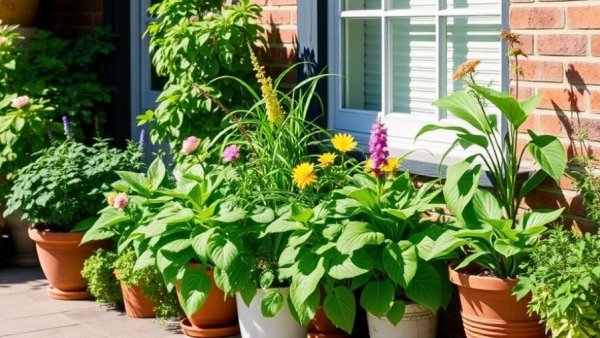
Transforming the Shady Side of Your Home: An Opportunity for Beauty
The often-overlooked narrow strip along the shady sides of houses can be a gardener's paradise with the right selection of plants. While many homeowners feel that these harsh environments limit their gardening options, a transformation is possible. By choosing plants that naturally thrive in shady conditions, you can create a colorful and texturally rich garden space that not only enhances your property but also nurtures biodiversity.
Exploring the Best Plants for Shade
Let’s delve into some of the most stunning plants suitable for these dimly lit corners. From vibrant foliage to blossoming flowers, these selections cater to various tastes and styles:
- Hostas: Often heralded as the champions of shade, hostas with their lush, large leaves, create a sense of fullness and can brighten dark corners. Opt for varieties such as ‘Blue Mouse Ears’ or ‘June’ to bring compact beauty to your narrow garden beds.
- Coral Bells (Heuchera): With an array of colorful foliage ranging from burgundy to lime, coral bells not only offer visual delight but are also low maintenance. They thrive in partial shade, making them ideal for adding splashes of color.
- Astilbe: The feathery flower plumes of astilbe create a romantic atmosphere. These plants not only thrive in partial shade but also attract pollinators, making them a perfect addition for the environmentally-conscious gardener.
- Japanese Painted Fern: Known for its stunning silvery-green fronds with purple markings, this fern is a beloved choice for enhancing the visual dynamics of a shady garden.
- Brunnera ‘Jack Frost’: With striking silver leaves and small blue flowers, Brunnera brings a bright touch to shaded areas. It's great for planting alongside darker-foliaged plants.
The Potential of a Well-Planned Garden Design
Incorporating plants that thrive in shade not only increases the aesthetic appeal of your property but can also boost its value. According to landscaping experts, gardens that are designed with a focus on their environment can lead to significant returns on investment. This awareness is crucial, particularly for professionals and executives who value both beauty and functionality in their homes.
Building Sustainable Habitats
Additionally, creating shaded gardens can promote local biodiversity. These gardens provide habitats for various creatures, including pollinators and beneficial insects. For homeowners eager to implement eco-friendly practices, utilizing native shade plants can foster a thriving ecosystem in their backyard.
Practical Tips for Your Shady Garden
Maintaining a shady garden can be simple with the right strategies:
- Ensure proper soil drainage to prevent water accumulation.
- Regularly mulching can help retain soil moisture.
- Monitor for pests—some plants, like hostas, can attract slugs which may damage them.
Conclusion: Maximizing Your Garden Potential
The dull, neglected stretches of your garden don’t have to remain uninspiring. By choosing a mix of these ten recommended plants and implementing smart gardening techniques, you can breathe new life into the shady areas of your home. Imagine a thriving green border adorned with colorful foliage and delicate blooms — all achievable even in shadowed spaces. Whether you’re looking to enhance curb appeal, create a secure environment for local wildlife, or simply enjoy a beautiful garden, the shading side of your house presents ample opportunities waiting to be explored. Take that first step, research these plants, and enrich your garden.




Write A Comment