
Add Row
Add Element
cropper
update
Atlanta Home and Garden Insider
update
Add Element
  • Home
  • Categories
    • DIY Projects
    • Sustainable Practices
    • Design Trends
    • Landscaping
    • Lawn and Garden Care
  • Smart Home Tech
  • Interior Design Tips
  • Home Maintenance
July 23.2025
2 Minutes Read

Navigating the Carpet vs Tile Flooring Debate: Which is Right for You?

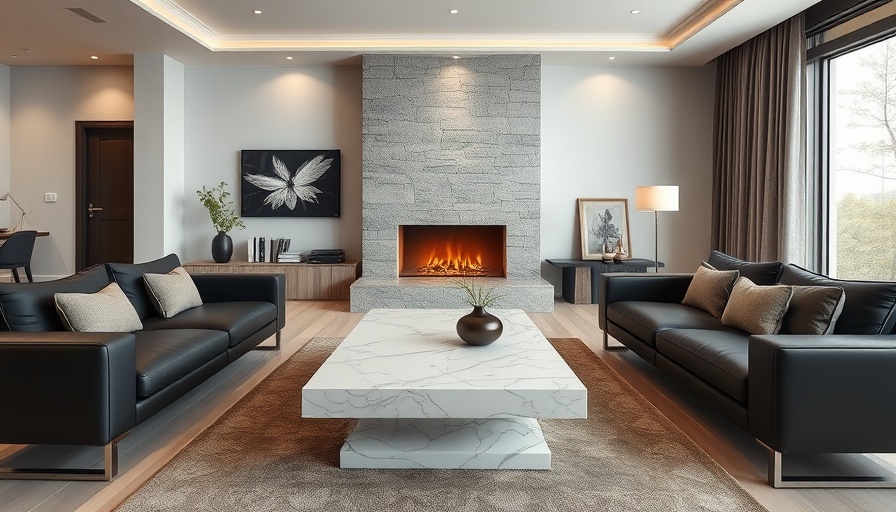
Luxurious living room with marble table and fireplace, showcasing carpet vs tile flooring.

Choosing the Right Flooring for Your Home: Carpet vs. Tile

When it comes to flooring, the debate between carpet and tile is common among homeowners, especially those aged 40 to 65. This age group often seeks durability, maintenance ease, and comfort impacting their decision on which flooring type is the best fit for their lifestyle and aesthetic preferences.

Why Flooring Choice Matters

Your flooring doesn't merely contribute to the beauty of your home; it plays a crucial role in your daily comfort and health. Poor choices can lead to issues like allergies or contribute to a less than welcoming environment. Understanding the benefits and downsides of each option is vital.

Understanding Carpet: Softness and Warmth

Carpet flooring is known for its inviting feel underfoot and ability to warm up a space. It is also advantageous for noise reduction, making it perfect for homes with children or pets. However, maintenance can be a factor; carpets require regular cleaning to prevent dust and allergens from accumulating. For a family, this can mean frequent vacuuming and occasional deep cleaning.

The Case for Tile: Durability and Style

On the other hand, tile offers a wide variety of stylish options, from ceramic to porcelain and stone. It stands the test of time, is easy to clean, and is less susceptible to stains and spills. For homeowners looking for a long-term investment, tile is an excellent choice that might add resale value to their property.

Health Considerations: Carpet vs. Tile

As someone specialized in promoting health trends, it’s crucial to note the implications of flooring on overall well-being. Carpets can harbor allergens and dust mites, which may cause health issues, particularly for those with respiratory conditions. Tile, conversely, allows for a cleaner environment as it does not trap dust, making it a healthier option for many.

Cost: Budgeting for Your Flooring Choice

When budgeting for flooring, it’s crucial to consider not only the initial costs but also the long-term maintenance expenses. While carpet might have a lower upfront cost, its cleaning and replacement might add up, especially if you opt for a less durable product. Tile might be pricier initially, but it could save you money in the long run due to its durability and low maintenance.

Final Thoughts: Making Your Choice

Choosing between carpet and tile ultimately depends on your lifestyle, personal preference, and budget. If you prioritize comfort and warmth, carpet may win out, especially in bedrooms and living rooms. However, if you seek durability and a contemporary look, tile could be the way to go in kitchens and bathrooms.

What’s Next?

Before making your final decision, consider how each flooring type aligns with your family's needs, personal style, and the functional requirements of your home. This investment can significantly influence your living experience.

If you're curious about more interior design trends or need further assistance with your next home project, explore our other articles!

Interior Design Tips

8 Views

0 Comments

Write A Comment

*
*
Related Posts All Posts
02.11.2026

How Smart Landscaping Tech Can Revolutionize Your Lawn Care Experience

Update Transforming Outdoor Spaces: The Smart Landscaping Revolution In today's fast-paced world, homeowners are increasingly turning to technology to transform their outdoor spaces. Enter smart landscaping technology, which is reshaping how we care for our lawns. Gone are the days of exhausting, manual maintenance; with the aid of sensors, automation, and data-driven strategies, our yards can now thrive in both efficiency and sustainability. The Data-Driven Lawn Care Approach At the heart of smart landscape management is a foundation built upon data collection. Sophisticated soil sensors and weather-monitoring tools deliver real-time information on crucial factors like soil health, hydration levels, and temperature. An increasingly popular choice among homeowners, these technologies allow for proactive lawn care that minimizes guesswork. Homeowners can water their lawns based on precise needs, avoiding issues like overwatering, while also nurturing a more resilient turf that can better withstand climatic challenges. Automated Irrigation: The Eco-Friendly Game Changer One of the most striking advancements in smart landscaping is the emergence of automated irrigation systems. These systems intelligently adjust watering schedules based on environmental conditions, ensuring that lawns receive just the right amount of water. The economic and ecological benefits are clear; reduced water waste not only saves on utility bills but also contributes to local efforts toward water conservation. Furthermore, by minimizing runoff and soil erosion, these systems offer a solution to many problems associated with traditional watering methods. Intelligent Turf Selection: A Sustainable Future Begins at Installation The influence of technology extends beyond maintenance—it influences the very selection of turf as well. Digital planning tools allow homeowners to assess their unique conditions, such as sunlight and foot traffic, ensuring they choose the right grass types from the outset. This approach can help prevent issues like uneven growth or unsightly discoloration, minimizing future maintenance needs. Predictive Care: Staying Ahead of Lawn Issues Smart landscaping doesn't stop at installation; it continues into ongoing maintenance through predictive care technologies. Advanced monitoring systems can detect early signs of stress, nutrient imbalances, and disease long before visual symptoms appear. By leveraging these innovations, homeowners can address potential problems quickly, using targeted interventions that minimize chemical usage while maintaining lawn health. Embracing the Future of Outdoor Living As the integration of smart home ecosystems becomes commonplace, landscaping technologies are following suit. Lawns are not just patches of grass; they are increasingly seen as integral parts of our living environments. With smart landscaping tools that seamlessly connect with other home technologies, homeowners can maintain their properties more efficiently than ever before, enhancing their enjoyment of outdoor spaces. Why Smart Landscaping Matters to You The benefits of embracing smart landscaping extend beyond convenience and aesthetics; they contribute to a sustainable future for our communities. By using technology to optimize lawn care, we can conserve precious resources while creating beautiful outdoor spaces. Whether you are a seasoned homeowner or just starting to consider improvements to your landscape, understanding how smart landscaping technology works can empower you to make informed and responsible decisions. Ready to enhance your outdoor living experience? Dive into the world of smart lawn care today, and discover how these technologies can transform your yard into a sustainable oasis that is the envy of the neighborhood!

02.05.2026

Home Art Staging Tips: Transform Your Space with Smart Choices

Update Crafting Your Home’s Story: The Power of Art in Staging Staging your home effectively can significantly impact how potential buyers perceive your space, and artwork plays a crucial role in this process. Art is not just decoration—it's a storytelling tool that can highlight your home's unique features and create an inviting atmosphere. As such, understanding how to choose the right pieces is essential for a successful sale. Understanding the Emotional Connection Artwork can evoke emotions and associations that resonate with buyers. This means selecting pieces that create warmth rather than alienating the viewer. For instance, abstract art often works well in staging because it allows individuals to interpret the piece without being distracted by literal themes. The goal is to help buyers envision themselves living in the space, feeling comfortable and at ease. When selecting art, consider pieces that convey a message of positivity and warmth to create that inviting ambiance. Laying the Foundation: Types of Art to Consider When staging your home, focus on artworks that enhance the atmosphere without dominating the decor. Large canvases can be effective focal points in rooms with high ceilings, while smaller pieces work better in cozy spaces. It’s crucial to choose pieces that complement the overall color palette and style of the home. This ensures a cohesive look that is easy on the eyes, allowing buyers to focus on the features of the home rather than becoming distracted by clashing tastes. Smart Placement: How Location Matters Placement of artwork is as important as the choices themselves. Generally, pieces should be hung at eye level, around 57 inches from the floor, to create a visual balance. Over large furniture, the art should be 6 to 8 inches above the piece to maintain harmony. Additionally, consider uniformity; grouping related pieces can create a dynamic gallery effect that draws the eye through the room and extends the perceived space. Color and Size: Tools for Visual Storytelling Color has a profound effect on the mood of a room and the perceptions of potential buyers. In neutral spaces, pops of color through your artwork can enliven the environment, creating focal points that stimulate interest. However, too much color or overly complex pieces can overwhelm the senses, so aim for balance. Abstract pieces or gentle landscapes are usually recommended for their calming effect, while large statements can serve as attention-grabbers without cluttering the visual narrative. Highlighting Unique Features of Your Home Be mindful of your home’s architectural features when selecting art. For instance, if you have stunning crown moldings, select lighter or expansive art pieces that draw the eye upwards. In smaller spaces, consider art that utilizes light and reflection, such as mirrors, to give the illusion of depth. This not only highlights the home’s features but can also help potential buyers visualize how they would style their lives within the space. Inspiring Action: Ready to Stage Your Home? As you prepare your home for sale, focus on how to use art as a tool to connect with potential buyers. This is an opportunity to share a narrative that resonates with their lifestyle aspirations. Remember, the right staging can elevate your listing, making it feel like a dream home rather than just a space for sale. Consider consulting with professionals in home staging for tailored advice on the best pieces for your unique home. Whether you’re buying, selling, or just refreshing your space, the importance of art in home staging cannot be understated. By choosing the right pieces and placing them thoughtfully, you can create an inviting atmosphere that appeals to a broad range of buyers.

01.04.2026

Mastering Your Listing Launch: Staging Strategies for Homeowners

Update Preparing for Sale: The Essential Steps Before You Stage Your Home As homeowners embark on the exciting journey of selling their homes, understanding how to properly stage a property is crucial. Staging isn’t just about making a home look pretty; it’s about creating an inviting atmosphere where potential buyers can envision themselves living. With the high stakes of home selling, a well-executed staging plan can significantly increase interest and offers. Whether you're selling a cozy suburban family home or a chic city condo, these strategies will set you up for success. Declutter: Create a Canvas for Buyers The first and most effective step in staging is decluttering. A tidy space allows potential buyers to see the property’s layout and size more clearly. Pack away personal items, excessive décor, and any belongings that distract from the home itself. As emphasized in expert advice, less really is more. Consider utilizing storage facilities if needed to keep everything organized. As per the guidelines from the National Association of Realtors, a clutter-free home not only appears larger, but it also gives the impression that the house is well-maintained and loved—qualities every buyer desires. Deep Cleaning: The Power of a Spotless Home A thorough cleaning is non-negotiable. Buyers will closely inspect kitchens and bathrooms, so ensure these areas are sparkly clean. Dust every corner, polish the fixtures, and even clean the windows—inside and out. A lasting impression often starts with cleanliness, and when everything shines, it suggests a level of maintenance that many buyers appreciate. Besides dealing with surfaces, don’t forget carpets and upholstery. These too should be deep cleaned, especially if they’ve been underfoot for years. A fresh, clean scent can entice buyers, making them feel at home upon entry. Depersonalize: Make It All about Them One of the most significant factors in staging is making sure buyers can see themselves in the space. This often means depersonalizing the décor. Remove family photos and personal keepsakes that could hinder a prospective buyer’s ability to visualize their own life in the space. By keeping décor neutral and subtle, you're catering to a broader audience. Aim for a calming palette to complement the aesthetic charm of your home, which can also help create an emotional connection with buyers. Curb Appeal: The First Impression Counts “The first impression is the last impression”—this rings especially true when it comes to home selling. Get outdoors and focus on what buyers see as they approach your home. Mow the lawn, plant flowers, trim hedges, clean the driveway, and perhaps even repaint the front door. A welcoming entrance can draw buyers in and hint at the care they will find inside. Curb appeal should extend to all outdoor areas. Consider staging your porch or balcony to reflect lifestyle opportunities, whether it’s a cozy sitting area for morning coffee or a vibrant space for entertaining. This showcases your home’s potential beyond its walls. High-Impact Areas: Focus on Key Spaces Not all rooms hold equal weight in a buyer's decision-making process. The living room, kitchen, and master bedroom are pivotal. When staging, focus on these high-impact areas to make a strong impression. Arrange furniture to highlight the room’s best features, ensuring it appears functional and spacious. In the kitchen, keep counters clear but showcase a bowl of fresh fruit or flowers for a pop of color. For the living room, create an inviting atmosphere with well-placed furniture and tasteful decor that sparks interest and conversation. Utilizing Technology: Virtual Staging and Beyond If you’re working with a vacant home or have limited staging options, technology can come to the rescue. Virtual staging utilizes digital tools to transform photos of empty spaces into beautifully furnished living areas. It’s a cost-effective method that makes listings more attractive in the online marketplace where most buyers start their search. Moreover, incorporating high-quality, professional photography in your listings is essential. Homes with striking images draw much more attention than those with generic photos. If it fits your budget, consider hiring a photographer skilled in real estate photography, as a stunning presentation can drastically impact buyer interest. Maintaining the Staged Look: Tips for Homeowners Once your home is staged, keeping it perfect for showings is vital. Maintain a routine of quick clean-ups—make the beds, and quickly tidy up spaces when they aren’t showing. A cleaning kit set aside just for showings can aid in this process. Pair this with a minimalist mindset until your property is sold, and it will surely pay off. If your home lingers on the market longer than expected, enlist the help of a cleaner or consider hiring a service for quick upkeep. Keeping a staged home pristine may feel demanding, but remember, you're working toward a successful sale! The Rewards of Thorough Staging Home staging is more than an aesthetic upgrade; it’s a strategic marketing tool that can yield significant benefits. As the competition heats up in real estate, a beautifully staged home can make all the difference. Buyers are more likely to envision their future in a meticulously presented space, increasing your chances for a lucrative and fast sale. As you take steps toward staging your home, don't hesitate to seek professional help if necessary, but also enjoy the process. You’re not just selling a house; you’re highlighting a place where dreams can unfold. Embrace the excitement of your next chapter! Ready to dive into home staging? Explore our comprehensive guidelines and FAQs in our resources to learn how to make your home irresistible to buyers.

Terms of Service

Privacy Policy

Core Modal Title

Sorry, no results found

You Might Find These Articles Interesting

T
Please Check Your Email
We Will Be Following Up Shortly
*
*
*