

Add Row
Add Element
cropper
update
Atlanta Home and Garden Insider
update
Add Element
  • Home
  • Categories
    • DIY Projects
    • Sustainable Practices
    • Design Trends
    • Landscaping
    • Lawn and Garden Care
  • Smart Home Tech
  • Interior Design Tips
  • Home Maintenance
March 25.2025
2 Minutes Read

Mastering Tree Scale Management in Mississippi and Louisiana Homeyards

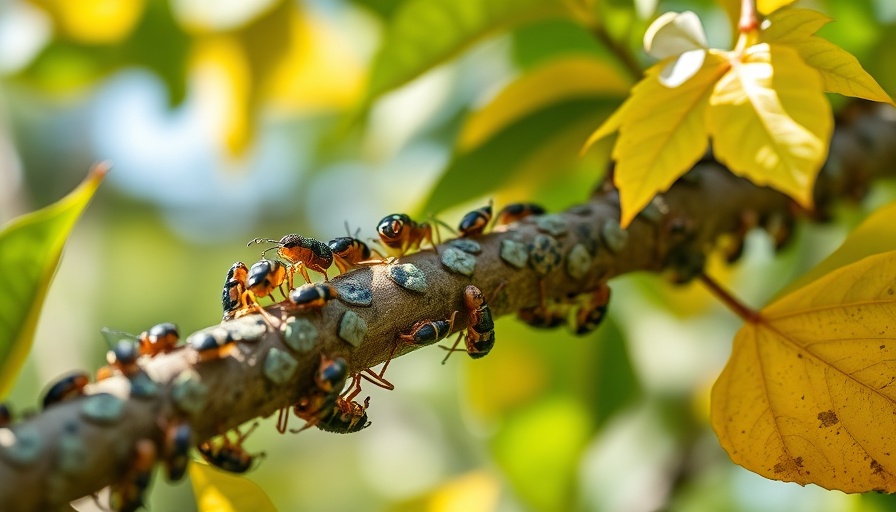
Close-up of tree scale insects on a branch, manage tree scale in Mississippi and Louisiana.

Understanding Tree Scale: An Overview

Tree scale is a persistent pest issue in states like Mississippi and Louisiana, significantly affecting the health of various tree species. Scale insects attach to tree bark and suck sap, leading to weakened trees and potentially contributing to tree mortality. Recognizing these pests and understanding how to manage them is crucial for homeowners looking to maintain the vitality of their landscapes.

Identifying Tree Scale Infestations

To tackle tree scale successfully, one must first identify the infestations. Signs include yellowing leaves, premature leaf drop, and sticky residue on leaves and branches known as honeydew, an excretion from the pests. Homeowners should regularly inspect their trees, particularly during warmer months when scale populations can thrive.

Effective Management Strategies

Addressing tree scale involves a variety of management techniques. Both physical methods, such as scraping them off during early infestations, and chemical treatments, including insecticidal soaps and horticultural oils, are effective options. It's important to choose methods that align with sustainable practices to preserve the ecosystem.

Benefits of Early Intervention

Early intervention not only preserves the health of individual trees but also protects the wider landscape by preventing the spread of infestations to other plants. Homeowners who implement timely and appropriate measures can save money and effort in the long term by avoiding extensive tree loss and associated costs of removal.

The Role of Seasonal Care

Homeowners can significantly benefit from incorporating seasonal care into their tree maintenance routine. For example, autumn and early spring are optimal times for applying preventive treatments, as trees are entering prime growth periods. The proactive management of tree health will make them less susceptible to scale infestations.

Common Misconceptions about Tree Scale

Many homeowners may underestimate the impact of tree scale and assume it only affects a few species or that tree removal is the only solution. Educating oneself about scale insects can dispel these myths and promote effective management practices that support tree longevity.

Conclusion: Take Action Today

As stewards of their landscapes, it's essential for homeowners to stay vigilant against tree scale. Utilize the insights shared here to implement effective management strategies and protect your trees. Don’t wait for the signs of infestations to appear; consider adopting preventive measures as part of your regular landscaping maintenance.

Lawn and Garden Care

21 Views

0 Comments

Write A Comment

*
*
Please complete the captcha to submit your comment.
Related Posts All Posts
04.09.2026

Is Your Pollinator Garden Lacking Pollen? Key Strategies for Success

Update Understanding the Importance of a Pollinator Garden Pollinators play a crucial role in our ecosystem, pivotal for the survival of various plants and crops. Creating a vibrant pollinator garden is not just a trend; it's an essential step towards sustainable gardening and protecting our biodiversity. Pollinators, including bees, butterflies, and bats, require diverse flora to thrive, serving as a critical link in the food chain. Yet, many homeowners find their efforts to cultivate these gardens sometimes go unrecognized. Is your pollinator garden providing the necessary habitat and resources for these important creatures? Common Mistakes to Avoid in Pollinator Gardens One of the most common mistakes in establishing a pollinator garden is the reliance on hybrid flowers. While these may look appealing, many modern hybrids lack essential nectar and pollen that pollinators need. Instead, experts recommend using native plants that are better suited to the local environment and attractive to native pollinators. Additionally, planting in clusters rather than isolated blooms can significantly enhance a garden's effectiveness, drawing in more pollinators from farther away. Creating a Year-Round Habitat Your garden should not only flower in spring; a pollinator-friendly space should bloom from early spring until late fall. This diversity ensures that pollinators have access to food sources throughout their active months. For instance, consider incorporating plants like asters and goldenrods, which bloom later in the season when food sources become scarce. Additionally, integrating night-blooming flowers can support nocturnal pollinators such as moths. Embracing Natural Practices for Pollinator Health Eliminating harmful pesticides is another crucial step towards maintaining a healthy pollinator garden. Chemicals can severely harm dwindling bee populations, so using organic gardening practices can protect these vital creatures. When pesticides are necessary, it’s recommended to choose the least toxic options and apply them at night, when pollinators are less active. By prioritizing the health of your garden ecosystem, you foster an environment conducive to breeding and nesting. Building a Supportive Ecosystem Creating a thriving ecological habitat means considering all aspects of a pollinator's life cycle. This includes ensuring that larval host plants are part of your landscape, which cater to butterfly caterpillars and other insect offspring. For example, if you want to attract monarch butterflies, planting milkweed is essential. It's a larval host for these butterflies and contributes to the continuation of their lifecycle. Engaging with Your Community for Greater Impact Many communities are initiating events and workshops aimed at increasing awareness regarding the importance of pollinators. Join or form local gardening groups to share experiences, plants, and strategies. Collaborate to establish community gardens that can serve as a sanctuary for wildlife while heightening public awareness of pollinator health and the actions individuals can take to support it. Conclusion: Steps Forward in Pollinator Conservation Recognizing the importance of pollinator gardens is a step toward sustainability. It starts at home—evaluate your garden today. Are you using native plants? Is your garden blooming throughout the seasons? Can you eliminate harmful chemicals? Explore the benefits of engaging in community efforts to understand and support these vital organisms. Each garden can contribute to a larger movement of conservation, creating a thriving environment where pollinators can flourish. For homeowners looking to enhance their gardens and support pollination, it’s never too late to make impactful changes. Start by assessing your current garden layout and planting selections, then consider implementing native species and reducing chemical use to promote a dense and diverse ecosystem. Every little effort counts, and this can be a rewarding journey that not only beautifies your home but also contributes positively to the environment. Connect with local gardening communities to learn and share resources!

03.25.2025

Master Your Garden: Common Fall Weeds and How to Combat Them

Update Understanding the Fall Weeds That Target Your LawnAs the summer heat wanes, lawns and gardens can become prime targets for a variety of fall weeds. Homeowners, especially those with well-kept lawns, may find themselves battling invasive plants that not only detract from the beauty of their outdoor spaces but can also hinder the health of their desirable plants. Understanding which common fall weeds invade lawns and flower beds can empower homeowners to take preventive measures.The Most Common Weeds to Watch Out ForIdentifying problematic weeds is the first step in effective weed management. Some of the most prevalent fall weeds include: Chickweed: This weed is notorious for spreading rapidly in fall. Its small white flowers can disrupt the aesthetic value of a lawn or garden.Henbit: A member of the mint family, henbit features a distinctive square stem and can be identified by its purple flowers. It thrives in cooler weather.Purple Deadnettle: Similar to henbit, this weed can form dense patches and is often mistaken for other native plants, making it challenging to control.Ragweed: This common culprit can spread pollen, leading to allergies while aggressively competing with cultivated plants.Dandelion: While often viewed as a perennial nuisance, the dandelion is also a source of food for some pollinators.Effective Strategies for Managing Fall WeedsWeed control in autumn can be approached effectively through a mix of cultural practices, mechanical removal, and chemical treatments. One of the most effective strategies remains regular mowing, which prevents many weeds from reaching maturity and setting seeds. Cultural Practices to ConsiderProper lawn maintenance like overseeding and fertilization strengthens grass, enabling it to outcompete weeds. Maintain optimal mowing heights as different grass types thrive at varying lengths. Furthermore, proper aeration allows roots to establish better, reducing the chances for weeds to take hold. Natural and Chemical Control OptionsFor those seeking organic solutions, consider employing mulching techniques or using vinegar and salt mixtures as natural herbicides. For more aggressive invaders, select herbicides that target specific weeds while minimizing impact on desirable plants. Timing is EverythingRecognizing the right timing for preventive action is vital. The proactive approach should initiate earlier in the fall season while weeds are still growing to capitalize on their weaker, juvenile states. It is during these periods of active growth that home gardeners can make the most impact. Future Trends in Lawn CareAs environmental consciousness grows, many homeowners are now investing in sustainable practices that are resilient to weed invasion, such as native landscaping and xeriscaping. These approaches reduce reliance on chemical treatments while creating robust ecosystems that minimize invasive plant growth. Conclusion: Take Control of Your Outdoor SpaceAs fall approaches, homeowners can play an active role in combating weeds by understanding the species that threaten their lawns and flower beds. Investing in proper lawn care and being aware of emerging trends can help create a flourishing outdoor environment. Don't wait until it's too late—begin your fall weed management strategy today!

03.25.2025

Transform Your Business: How to Keep Your Commercial Property Free From Pests

Update Understanding the Importance of Pest Management in Commercial Properties For business owners, maintaining a clean and pest-free commercial property is less about aesthetics and more about protecting their investment and reputation. A pest infestation can not only affect the physical environment, but also lead to financial losses and potential legal repercussions. In many situations, the presence of pests can also drive customers away, impacting business longevity. Practical Steps to Prevent Pest Infestations Implementing a combination of proactive strategies can significantly reduce pest incursions. Regular inspections, proper sanitation, and monitoring are at the forefront of pest prevention. It’s essential to ensure that your property is structurally sound; this includes sealing cracks and crevices where pests can enter. Furthermore, consider installing insect traps and monitoring devices around your premises to detect issues before they escalate. Utilizing Technology for Enhanced Pest Control Modern technology has transformed traditional pest control approaches. For instance, smart pest control systems, which use sensors to monitor activity and notify owners in real-time, are gaining traction. Such advancements allow businesses to respond more quickly to potential pest problems, thereby minimizing their impact. Additionally, using apps dedicated to pest management can guide you through identifying issues and provide useful information on treatment options. Collaborating with Professional Pest Control Services While DIY efforts can mitigate some pest risks, enlisting professionals is often the best course of action. Pest control experts possess specialized knowledge and resources to tackle infestations effectively. They also stay updated on the latest pest control methods and products, ensuring businesses receive the most effective and safe treatments. Identifying Common Pests and Their Risks Understanding which pests commonly invade commercial properties is vital. Rodents, insects like ants and cockroaches, and termites are often top offenders. Each comes with its own set of risks—rodents can cause significant property damage and contaminate food supplies, while termites can severely weaken fundamental structures. Identifying these threats early on helps fine-tune management strategies. Engaging Employees in Pest Prevention Initiatives Pest management isn’t solely the responsibility of a single department; it requires a collective effort. Training employees on recognizing signs of infestations, such as droppings or nesting materials, can lead to quicker action when issues arise. Additionally, fostering a culture of cleanliness and order within the workplace can deter pests from setting up shop in the first place. Regular Maintenance and Monitoring Regular maintenance of surrounding landscapes plays a crucial role in pest prevention. Overgrown vegetation, standing water, and debris can attract pests, creating an inviting habitat. Keeping the area around your commercial property clear and tidy does more than enhance curb appeal; it also reduces the likelihood of pest invasions. The Future of Pest Control: Sustainable Practices As concerns over environmental impact grow, businesses increasingly favor sustainable pest control practices. Integrated Pest Management (IPM) combines various control methods while minimizing harm to the environment. This may involve plant-based pesticides or using biological control to manage pest populations. By adopting such methods, businesses not only address pest issues more sustainably but also appeal to environmentally conscious customers. Keeping your commercial property pest-free involves multiple strategies that integrate technology, employee engagement, and professional services. In a world increasingly attentive to sustainability, embracing advanced and eco-friendly pest control methods may positively impact your business’s reputation and bottom line. If you’re ready to take action against pests and safeguard your property, consider consulting with a pest control professional today to assess your needs and develop a personalized pest management plan.

Terms of Service

Privacy Policy

Core Modal Title

Sorry, no results found

You Might Find These Articles Interesting

T
Please Check Your Email
We Will Be Following Up Shortly
*
*
*