

Add Row
Add Element
cropper
update
Atlanta Home and Garden Insider
update
Add Element
  • Home
  • Categories
    • DIY Projects
    • Sustainable Practices
    • Design Trends
    • Landscaping
    • Lawn and Garden Care
  • Smart Home Tech
  • Interior Design Tips
  • Home Maintenance
March 25.2025
2 Minutes Read

Master the Art of Pruning for Vibrant Landscape Maintenance

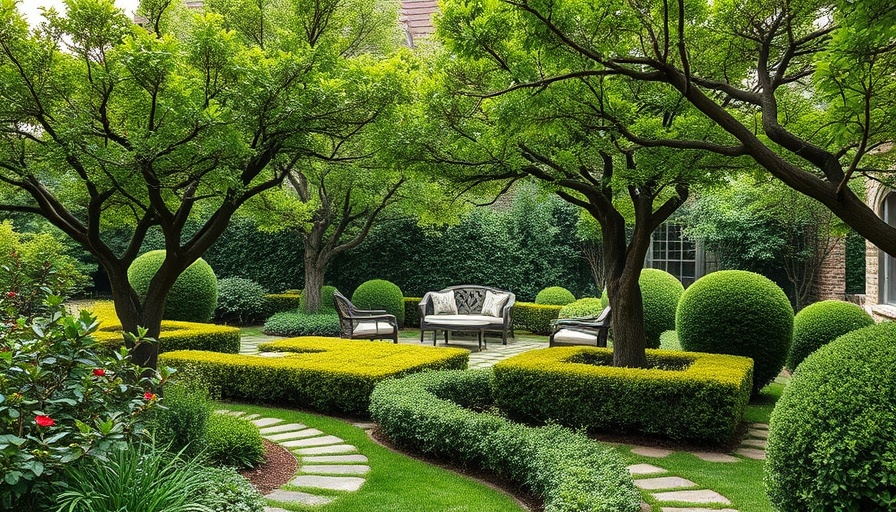
Serene garden with pruned shrubs and ambient lighting.

The Importance of Pruning for Landscape Maintenance

Pruning is not just about keeping your plants looking tidy; it's essential for their health and growth. Many homeowners overlook the significance of this practice, yet effective pruning can enhance the structure of your plants, allowing them to grow stronger and more vibrantly. Whether you are maintaining an expansive garden or a compact patio, understanding the art of pruning can transform the aesthetics and health of your landscape.

Understanding the Right Time to Prune

Timing is crucial when it comes to pruning. Most plants benefit from pruning during their dormant season—typically late winter or early spring—before new growth begins. However, some trees and flowering plants have specific needs. For instance, spring-flowering shrubs should be pruned right after they bloom, while summer-blooming varieties can be pruned in the spring. Familiarizing yourself with the specific needs of your plants can lead to brighter blooms and healthier foliage.

Common Pruning Techniques Every Homeowner Should Know

Several pruning techniques can be employed effectively, depending on the desired outcome. Here are a few common ones:

  • Thinning Cuts: This technique removes selected branches to allow for better air circulation and sunlight penetration. It helps reduce overcrowding and encourages overall plant health.
  • Heading Cuts: By cutting back branches to a bud, this method encourages denser growth and is ideal for creating more robust bush shapes.
  • Cleaning: This involves removing dead or diseased branches to prevent the spread of pests and diseases. Regular cleaning is vital for maintaining a healthy landscape.

Technological Innovations in Pruning

As we embrace sustainable practices in landscaping, technology plays a significant role. Innovations in pruners with ergonomic designs and lightweight materials allow homeowners to prune more efficiently while minimizing strain. Additionally, automated tools and smartphone applications can provide reminders for when to prune certain plants, further enhancing the homeowner’s ability to care for their landscape.

Pruning: A Sustainable Practice

Pruning not only enhances the beauty of your landscape but can also contribute to sustainability. By removing diseased or damaged branches, you promote healthy growth and reduce the need for chemical interventions. Furthermore, healthy plants can manage water better, which is increasingly important in our changing climate.

Final Thoughts on Effective Pruning Strategies

Incorporating effective pruning strategies into your landscape maintenance can have lasting benefits. Not only does it improve the aesthetics of your home, but it also increases the lifespan and resilience of your plants. As homeowners, investing time and effort into understanding the right techniques pays off with vibrant flowers and flourishing greenery. For those interested in enhancing their landscapes, consulting with gardening professionals can provide valuable insights tailored to your specific plants and style.

To stay informed on best practices for landscape maintenance and innovative tools available for your home, visit our website to learn more!

Design Trends

10 Views

0 Comments

Write A Comment

*
*
Related Posts All Posts
12.05.2025

Unlock the Joy of Koi Pond Design and Maintenance in Northern Virginia

Update Transform Your Garden: The Art and Science of Koi Pond DesignInvesting in a koi pond is not just about enhancing your garden; it's about fostering a vibrant aquatic ecosystem that can bring you joy for years to come. With a well-designed and well-maintained pond, the tranquility of a waterfall and the elegance of koi fish can transform your backyard into a serene retreat.Why Koi Pond Maintenance MattersAt the heart of koi pond maintenance is the essential task of maintaining clear, clean water. This is vital for the health of your fish and the overall aesthetic appeal of your pond. While smaller ponds can sometimes be cared for personally, experts recommend professional maintenance for ponds larger than 3,000 gallons to ensure optimal health conditions for your koi.Regular visits for maintenance—whether weekly, bi-weekly or monthly—are crucial. Key maintenance tasks include cleaning filters and skimmers, as well as inspecting all pond equipment for optimal performance. Regular checks can catch potential issues before they become costly problems. For those looking to take their koi pond care to the next level, collaborating with a specialist can provide detailed health inspections and water quality testing.Preparing Your Koi for Winter: Essential StepsA significant aspect of ensuring the longevity of your koi is preparing them for varying seasonal conditions. As autumn approaches and temperatures begin to drop, adjust their diet to lighter, digestible foods. This adjustment helps your koi acclimate to the impending winter dormancy.Once the temperatures fall to or below 50 degrees Fahrenheit, feeding should cease. Many koi owners mistakenly offer food during unexpected warm spells, believing their fish are still active. This can lead to more harm than good, as koi require time to adjust to their dormant state.Winter Maintenance: Keeping Your Koi SafeWhile your koi are hibernating, pond maintenance doesn’t take a holiday. Tasks like checking the equipment and conducting visual inspections remain important to keep your pond environment stable. It’s recommended to enlist professional help during this period to manage winterization tasks effectively.Myths and Realities of Koi Pond OwnershipMany aspiring koi owners have a romanticized image of owning a koi pond, often envisioning picturesque moments of relaxation. However, the reality is that koi ponds require significant upkeep. This responsibility is often misunderstood, leading to the misconception that koi keepers only need to “install and forget” their ponds. In truth, a thriving koi pond is a dynamic habitat that demands ongoing attention. Notably, koi provide immense therapeutic benefits, serving as valued pets rather than mere decorations.Transformative Pond Design: A Personal JourneyTake the case of Andy and Carolyn in Vienna, VA. Their venture into koi ownership began with a poorly designed pond that frequently froze during the winters, leading to tragic losses of their beloved fish. Initially dissatisfied, they opted to invest in a complete redesign, which not only improved the aesthetic but also ensured a healthier environment for their koi.The transformation was profound; their new 16,000-gallon pond became the centerpiece of their yard and the go-to place for gatherings. This experience highlights the importance of proper design and thoughtful maintenance in enriching the enjoyment derived from koi ponds.The Bottom Line: Enrich Your Life with KoiOwning a koi pond can be an incredibly rewarding experience, infused with moments of peace and joy. It requires diligence and investment, but the resultant ecosystem can serve as a remarkable retreat from daily stresses. As you embark on this journey, consider reaching out to professional garden specialists to ensure your koi pond achieves its full potential. Not only will you create a stunning outdoor feature, but you’ll also cultivate a healthier habitat for your fish which, in turn, will reward you with years of joy and serenity.

12.04.2025

Discover the Essentials of Koi Pond Maintenance and Design for Your Home

Update Understanding the Allure of Koi Ponds in Northern Virginia Investing in a koi pond is more than just adding water to your garden; it's about creating a serene ecosystem that enhances your outdoor experience. Picture a tranquil scene with the gentle sound of water flowing and vibrant koi darting through the water. This delightful interplay in nature not only provides visual pleasure but also has therapeutic benefits, making it a popular choice for homeowners in Northern Virginia. The Fundamentals of Koi Pond Design and Maintenance Before diving into the intricacies of koi pond maintenance, understanding the foundational elements of effective design is crucial. A well-designed pond minimizes maintenance and maximizes enjoyment, allowing homeowners to appreciate their aquatic space fully. Key considerations include ensuring proper filtration systems that can handle the volume of the pond, creating slopes to prevent stagnation, and choosing a quality liner to avoid leaks. Essential Maintenance Practices for Healthy Koi Maintaining a healthy koi pond involves regular monitoring and upkeep. Clear and clean water is paramount to your koi's well-being. For smaller ponds, regular DIY maintenance is manageable, but for larger setups—those over 3,000 gallons—professional assistance is advisable. Essential tasks include: Regular cleaning of filters and skimmers to ensure water clarity. Scheduling routine maintenance visits—weekly, bi-weekly, or monthly—to cater to specific needs. Conducting thorough water quality tests to monitor parameters like pH, ammonia, and nitrate levels. Preparing Your Koi for Winter: An Overview As winter approaches, koi require special care to sustain their health during the colder months. Transitioning to a wheat germ-based food before temperatures drop ensures that your koi can digest easily. Remember, once the water temperature reaches 50°F, feeding should stop entirely as they enter a dormant state. This careful seasonal management is vital for maintaining a robust koi population. Common Mistakes in Koi Pond Management One of the most widespread errors is overfeeding koi, which leads to nutrient overload and algae growth. It's essential to establish a feeding schedule that aligns with the water temperature and koi behavior—generally feeding no more than what they can consume in 5-10 minutes. Regularly scooping leaves and debris is vital to maintaining a balanced ecosystem and preventing contamination and health issues for your fish. Seasonal Seasonal Maintenance Tasks The health of a koi pond varies dramatically with the seasons. Spring cleaning, for example, is critical for reinvigorating your pond after winter. Take time to: Clear debris accumulated in winter. Inspect and clean all equipment thoroughly. Check and prepare biological systems for the increase in temperature. In the fall, preventive measures like removing leaves and adjusting feeding schedules ensure your koi are prepared for the cold months ahead. Finding Professional Help When Needed Even the most dedicated koi pond owners can benefit from professional help. Engaging experts for annual clean-ups or routine maintenance can save time and provide peace of mind. These specialists often have the training to catch potential issues early and advise on best practices to keep your koi thriving. Conclusion: Embrace the Koi Experience Maintaining a koi pond is rewarding yet demands attention and care. Understanding seasonal changes, establishing proper feeding routines, and engaging in regular maintenance can ensure that your pond remains a beautiful oasis in your yard. If you're ready to embrace this tranquil addition to your home, consider consulting with local pond care professionals who can guide you through the process. Your koi await!

11.14.2025

Mastering Front Yard Privacy Landscaping to Enhance Curb Appeal

Update Creating Front Yard Privacy: The Dual Purpose of Curb Appeal When you think about landscaping, the first thoughts that often come to mind are aesthetics—beautiful flowers, lush green lawns, and perhaps a charming pathway leading to your home. However, recent trends are highlighting an important, yet often overlooked aspect: privacy. Homeowners are beginning to appreciate the value of privacy landscaping in the front yard to not only enhance curb appeal but also create a more intimate and welcoming atmosphere in their outdoor spaces. Understanding the Balance Between Privacy and Presentation Your front yard is the public-facing aspect of your home. It's designed to create an inviting impression, signaling to visitors that they are welcome and enticing passersby with its beauty. Yet, the importance of privacy doesn't diminish just because it's part of the front yard. Instead of constructing impenetrable barriers, homeowners are seeking solutions that offer partial privacy, integrating landscape elements that both stylize the exterior and shield the home from prying eyes. Smart Design Solutions for Privacy Landscaping Creative landscaping techniques can achieve the dual goals of enhancing privacy while maintaining aesthetic harmony. Here are some innovative strategies: Layered Plantings: By layering plants of various heights, homeowners can block direct sightlines while adding visual interest. For example, taller shrubs like holly or arborvitae can provide a living wall behind vibrant flowering perennials and shorter ornamental grasses. Low Walls and Fences: Install low walls to define the boundary of your property. This not only acts as a subtle barrier but also serves as a planting bed for decorative foliage or seasonal flowers, drawing the eye naturally. Opaque yet Inviting: Utilize selective screens or trellises with climbing vines that permit air and light while obstructing views. This method promotes social conversations with neighbors without sacrificing your own haven. Utilizing Plant Life for Effective Privacy Solutions Incorporating plant life into your landscaping design is one of the most effective means of achieving privacy. Well-placed trees and hedges can buffer noise from busy streets while providing an engaging green focus. For instance, evergreen shrubs can act as a sound barrier in urban settings, offering both foliage and auditory relief. Likewise, blooming flowers provide seasonal visual delight and enhance your home’s appeal. Professional Insights: What Designers Recommend Landscape professionals emphasize that while achieving privacy is essential, it's crucial to consider the overall design and flow of both front and backyard spaces. The goal should always be to maximize perceived space while still offering a sense of refuge. Designer Akiko Komori advocates for using smaller, strategically placed trees or flowering shrubs that create privacy but maintain a welcoming feel. By opting for plants that suit your climate and lifestyle needs, you can design a yard that is as functional as it is beautiful. Conclusion: Make Your Front Yard a Welcoming Retreat Your front yard doesn't have to play second fiddle to your backyard when it comes to comfort and privacy. With thoughtful design and strategic planting, you can create a beautiful front yard that welcomes guests while ensuring your personal space feels cozy and secure. To explore more about transforming your home's curb appeal with privacy landscaping, consider downloading our comprehensive guide on the subject.

Terms of Service

Privacy Policy

Core Modal Title

Sorry, no results found

You Might Find These Articles Interesting

T
Please Check Your Email
We Will Be Following Up Shortly
*
*
*