
cropper
Atlanta Home and Garden Insider
  • Home
  • Categories
    • DIY Projects
    • Sustainable Practices
    • Design Trends
    • Landscaping
    • Lawn and Garden Care
  • Smart Home Tech
  • Interior Design Tips
  • Home Maintenance
November 02.2026
3 Minutes Read

Master Pond Pump Care: Tips to Sustain Your Water Feature’s Health

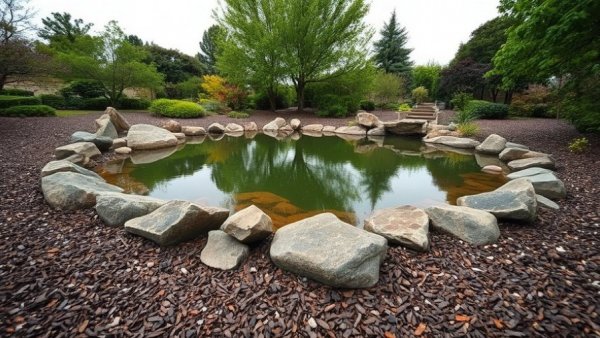
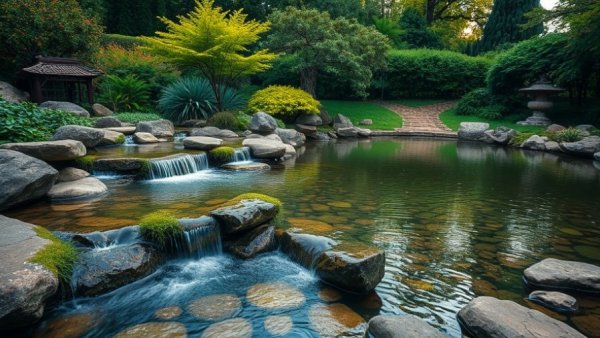
Garden pond with cascading water, Pond Pump Maintenance Guide

Your Pond Pump: The Lifeblood of Your Water Feature

In the realm of home gardening, the pond pump operates as the unsung hero, tirelessly maintaining the well-being of your aquatic ecosystem. Its functions extend beyond simple water circulation; it supports filtration, aerates the water for your fish, and enables the enchanting sounds of cascading streams and waterfalls. Without a reliable pump, issues like declining water quality and overwhelming algae growth can arise, posing risks to the health of your pond’s residents.

Why Pond Pump Maintenance is Critical

Pond pumps face relentless challenges as they operate continuously for months, often battling debris, organic waste, and fluctuating temperatures. Over time, these elements can hinder the fluidity of water flow, causing the pump to work overtime. Recognizing the importance of maintenance goes beyond just visual appeal; it drastically improves water clarity, sustains beneficial bacteria, and crucially protects your fish by maintaining stable oxygen levels.

Identifying the Signs of a Struggling Pump

Being proactive is key to your pond's health. Subtle warning signs from your pump can indicate brewing issues that require immediate attention. If you notice reduced water flow—evident in the diminished splendor of your waterfall—or hear unusual sounds such as grinding or rattling, it may be time for an inspection. Moreover, murkier water or enhanced algae growth can signify inadequate circulation due to a faltering pump. These indicators serve as calls to action; swift intervention can mitigate the need for costly repairs later on.

How Often Should You Clean Your Pond Pump?

The frequency of cleaning your pond pump hinges on several factors—pond size, fish load, landscape greenery, and seasonal influences all play significant roles. In general, it's adequate to simply monitor and empty the skimmer basket in most environments. However, in ponds where the pump is exposed to natural debris, weekly cleanings might become necessary, particularly in tree-lined areas. The maintenance schedule is flexible, tailored to your pond's specific needs rather than adhering to a rigid timetable.

Annual Maintenance: A Seasonal Breakdown

Establishing a seasonal maintenance schedule helps ensure the longevity and efficiency of your pond pump:

  • Spring: As you reintroduce your cleaned pump, let it run a few days to check for performance post-storage.
  • Summer: Stay vigilant during hot, stormy weather; monitor for any early warning signs of stress to your pump.
  • Fall: With falling leaves comes a higher risk of blockage. Regularly removing debris will help prevent unexpected outages.
  • Winter: If you live in colder climates, removing the pump for winter storage allows an opportunity for a deep clean before stowing it away.

Your Step-by-Step Guide to Cleaning a Pond Pump

Cleaning your pond pump can seem daunting, but it’s a straightforward process that can make a world of difference:

  1. Turn off the power to your pump to ensure safety.
  2. Remove the pump from the pond and wash it down with a hose to eliminate surface debris.
  3. Inspect the intake screen and clean it thoroughly, ensuring no blockages.
  4. Check the impeller; if it’s jammed, gently free it using a soft tool.
  5. Reinstall the pump back to its position, restoring power and observing its operation.

Embracing Pond Care: The Benefits of Knowledge

Understanding the intricacies of pond pump care empowers homeowners to take control of their water features. Not only does proper maintenance extend the lifespan of the pump, but it also enhances the overall aesthetic and vitality of your pond. A well-maintained pond can become a source of pride, providing a serene escape for you and a thriving habitat for wildlife.

Conclusion: The Path to a Thriving Pond Ecosystem

Ultimately, investing time in proper pond pump care reaps long-term benefits. Your commitment to maintaining this crucial equipment fosters a lively, thriving aquatic ecosystem that works harmoniously with nature.

For more resources and expert tips on maintaining your garden features, sign up for our newsletter, where we share exclusive content aimed at helping homeowners like you enhance their outdoor living spaces.
Landscaping

10 Views

0 Comments

Write A Comment

*
*
Please complete the captcha to submit your comment.
Related Posts All Posts
10.03.2026

Exploring How Michigan’s Freeze-Thaw Cycle Affects Your Patios, Ponds, and Walls

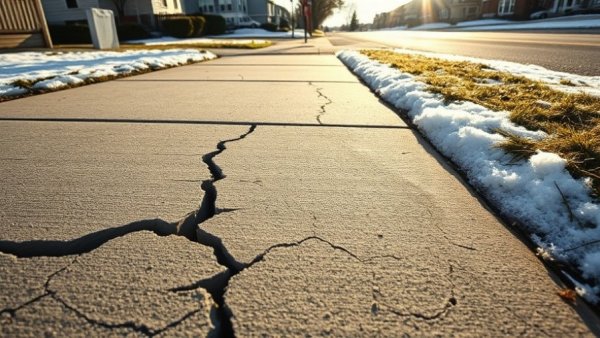
Update Understanding the Freeze-Thaw Cycle in Michigan If you live in Michigan, you’ve likely experienced the whiplash of warm days followed by sudden cold snaps, especially during the winter and early spring months. This unpredictable weather pattern not only influences your day-to-day life but can also have a significant impact on your outdoor spaces. Specifically, the freeze-thaw cycle presents unique challenges to patios, ponds, and retaining walls. With insightful understanding, homeowners can protect their investments and make informed decisions regarding landscape maintenance and design. What Happens During the Freeze-Thaw Cycle? The freeze-thaw cycle is a natural phenomenon where moisture infiltrates soil, stone, or joints. As temperatures drop, this moisture freezes and expands — sometimes up to ten times its liquid volume. This expansion puts immense pressure on surrounding materials. When temperatures rise and the ice melts, the moisture then contracts, causing potential shifts in the landscape. If the cycle occurs repeatedly throughout a Michigan winter, the accumulated pressure can have damaging effects, leading to soil heaving, stone displacement, cracks in concrete, and uneven patios. Poor drainage areas are particularly at risk as standing water exacerbates freeze-thaw stress. Impact of Freeze-Thaw on Ponds Contrary to popular belief, ponds are not immune to the effects of the freeze-thaw cycle. When surrounding soil freezes, it can pull the liner’s edges down or displace rocks and plumbing components. Such movements may lead to leaks — issues that often remain hidden until they manifest as significant water loss after spring startup. Implementing an effective pond design, focusing on adequate depth, stable stone placement, and flexible plumbing, can help minimize these risks. The importance of winter preparation, like draining plumbing lines and using a pond heater, cannot be understated for maintaining the stability and longevity of your pond. How Hardscapes Suffer in Michigan's Climate Patios, walkways, and retaining walls are prime targets for the detrimental effects of Michigan's weather. As moisture freezes beneath these hardscapes, it can lift materials upwards. When the thawing process occurs, the materials sometimes do not settle back evenly, leading to cracked patios and leaning retaining walls over time. Importantly, this damage is seldom a product of a single harsh winter; it usually results from multiple freeze-thaw cycles acting upon inadequately prepared base materials. For retaining walls, the added pressure from frozen soil can result in bowing or even total structural failure without proper drainage and reinforcement. Drainage: The Key to Preventing Damage One of the most critical elements in combating freeze-thaw damage is effective drainage — often a neglected aspect in outdoor design. Maintaining dry soil beneath outdoor structures significantly reduces the likelihood of expansion when temperatures dip. Implementing proper grading, compacted aggregate bases, drain tiles, and French drains can facilitate efficient water management, directing runoff away from vulnerable areas. For pond edges, managing runoff can also help minimize shifting stones and soil movement. Making Smart Design Choices Homeowners can take proactive measures in their landscape design to ensure longevity amid the harsh Michigan climate. Choosing materials that withstand freeze-thaw cycles, ensuring proper installation techniques, and regularly maintaining drainage systems can foster resilience in your outdoor spaces. While it’s impossible to eliminate the impact of this natural cycle, strategic planning and investment in quality can extend the lifespan of your hardscapes, ponds, and landscaping features. Take Action to Protect Your Outdoor Investment Understanding the freeze-thaw cycle and its implications is crucial for homeowners looking to protect their outdoor investments in Michigan. By prioritizing proper drainage, robust design practices, and proactive maintenance, you can minimize the long-term effects of this natural phenomenon on your property's landscape. Consider consulting with professionals who specialize in landscape architecture to ensure that your design decisions account for the unique challenges posed by Michigan’s climate. This investment today can save you from costly repairs tomorrow.

09.03.2026

Homeowners: Essential Steps to Assess Your New Pond's Health

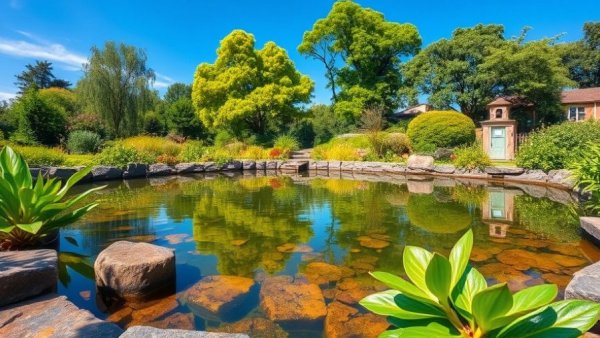
Update Ensuring Your Pond's Health: Key Checks for New Homeowners Owning a home with a pond can feel like living in a serene oasis, allowing you to enjoy nature and tranquility right in your backyard. However, before you settle down and soak in the ambiance, it's essential to evaluate the condition of this water feature. The Importance of Water Quality One of the first checks should be the water quality in your pond. Poor water quality can lead to unhealthy ecosystems, affecting fish and plant life severely. Consider testing for pH levels, ammonia, nitrate, and nitrite concentrations. Clear water alone does not indicate healthy conditions; various unseen factors may threaten the balance. Homeowners can utilize kits available at gardening stores or hire professionals for accurate assessments. Assessing Wildlife Presence Another important aspect to evaluate is the existing wildlife. Fish populations, frogs, and beneficial insects can be good indicators of a healthy pond. However, the introduction of non-native species can disrupt local ecosystems. Understanding which species belong in your pond can help you maintain a balanced environment. Local wildlife agencies or pond management experts can provide valuable insights into maintaining biodiversity within your property. Inspecting the Pond's Structure Your pond’s physical condition is equally crucial. Look for signs of erosion, leaks, and structural instability, particularly at the edges and bottom. Watch out for vegetation overgrowth, which might block sunlight, affecting aquatic plants. Take a close look at the surrounding landscape as well; if water drains poorly from nearby areas, it may lead to unwanted runoff and pollution. Legal Considerations: Regulations and Permits Interestingly, owning a pond can come with certain legal responsibilities. Regulations may vary based on your location, requiring permits for specific maintenance activities, particularly if your pond serves as a habitat or a stormwater management facility. Familiarizing yourself with local laws is imperative before undertaking any changes or treatment. Consulting with a local environmental authority ensures compliance and that you’re taking appropriate actions. Connecting with the Community If you’re uncertain about how to proceed, don’t hesitate to reach out to fellow homeowners or community groups focused on pond maintenance. There are often local workshops or meet-ups around sustainable practices that can enhance your pond’s health. Community Farmer’s Markets or Gardening clubs can be excellent resources to learn from others and share information about pond management. Future Predictions: Maintaining Your Pond's Ecosystem Looking forward, regular maintenance will be essential to the longevity of your pond. Seasonal checks can help anticipate and prevent issues like algae blooms or invasive species. By employing sustainable practices such as installing aerators or native aquatic plants, you can enhance water quality while ensuring a thriving habitat. Remember, your pond is not just an accessory; it’s a vital part of your landscape that supports wildlife and enriches your environment. Conclusion: Take Action for Sustainable Practices In conclusion, owning a pond requires responsibility and dedication. By understanding your pond’s needs and monitoring its health, you ensure that it remains a beautiful and functional part of your landscape. If you're ready to make a difference in maintaining your pond, consider reaching out to local professionals and organizations that specialize in sustainable water practices. Your actions today can lead to a thriving ecosystem tomorrow!

08.01.2026

How to Understand Pond Water Levels Drop: Evaporation vs. Leaks

Update Understanding Pond Water Loss: A Homeowner's GuidePond water levels often fluctuate, leaving homeowners puzzled about the primary causes. While both evaporation and leaks play critical roles in water loss, understanding their differences can help you manage your pond's health more effectively. Whether you use your pond for relaxation, as a habitat for local wildlife, or as an aesthetic feature in your landscaping, maintaining optimal water levels is essential to the overall ecosystem.The Evaporation FactorEvaporation is the process where water is transformed into vapor and released into the air. This natural process can be especially pronounced during warmer months, with high temperatures and sunny conditions accelerating evaporation rates. In fact, it's estimated that up to 70% of a pond's water loss over a hot summer can be attributed to evaporation. Homeowners must stay attuned to weather and temperature changes, as these variables will directly affect how quickly water evaporates from your pond. Simple solutions, like adding shade plants such as water lilies or marginals around the perimeter of your pond, can help reduce evaporation significantly by blocking sunlight. Additionally, creating water features like fountains can increase water movement, enhancing oxygenation while also causing some evaporation that might seem counterintuitive but can help balance overall water health. Implementing these strategies not only conserves water but also improves the visual appeal of your pond, offering a lush, inviting habitat for bird and insect species.Leak Detection: Uncovering Hidden ProblemsConversely, leaks pose a different dilemma that every pond owner should be aware of. They can arise from failed seals, cracks in the pond liner, or even damage caused by wildlife like raccoons or beavers. Identifying a leak requires a bit of detective work; homeowners may notice inconsistencies in water levels despite normal evaporation rates. If your pond's water is dropping unusually fast or more than expected, a hidden leak could be at play. Conducting a simple bucket test can help determine whether the water loss is from evaporation or an underlying issue. To perform the bucket test, place a bucket filled with pond water on the edge of your pond. Mark the water levels in both the pond and bucket and monitor them over a few days. If the loss in the pond exceeds that of the bucket, there’s a good chance of a leak—a clear signal that further inspection is necessary. This process not only aids in saving water but also helps in avoiding larger repairs that could develop if the leak is ignored.Balancing Evaporation and Leak RisksFor homeowners managing a pond, understanding the balance between evaporation and leaks is paramount. By proactively addressing each potential cause, one can establish a thriving pond ecosystem that supports both aquatic life and local wildlife. Simple preventive measures include adding a water feature, installing a water conservation system, or even utilizing a rainwater collection setup for supplemental watering. These strategies can decrease evaporation rates while minimizing leaks, thus reducing long-term maintenance stress.Regularly inspecting your pond's perimeters and liner, especially after heavy rains or extreme temperature fluctuations, can also aid in early leak detection. If found early, leaks can often be repaired quickly and inexpensively, saving homeowners from costly restorations in the future.Future Considerations: What Lies AheadAs climate change becomes more pronounced, homeowners should prepare for shifts that may affect pond water levels. Warmer temperatures and altered precipitation patterns are projected to lead to increased evaporation rates, hitting many pond owners hard. Moreover, these fluctuations could introduce new challenges, emphasizing the importance of regular maintenance and monitoring.A well-kept pond not only conserves water but also promotes biodiversity, creating a serene space for nature to thrive. To bolster your pond's resilience against future climatic challenges, consider incorporating native plants that can better adapt to varying water levels. Additionally, engaging with local environmental services or community workshops can provide insights and resources that enhance your pond's health and sustainability.Conclusion: Take Charge of Your Pond’s HealthUnderstanding the balance between evaporation and leaks is crucial for the long-term health of your pond. By taking proactive steps—like regular maintenance, observation, and employing strategies to mitigate both evaporation and leaks—you can ensure your pond remains a source of beauty and tranquility in your landscape. By nurturing this water feature thoughtfully, homeowners can enjoy their ponds as thriving ecosystems that enhance both their property value and the environment.

Atlanta Home Garden Insider

Essential Garden and Lawn Care Tips for Atlanta Metro Residents: Stay Updated for a Thriving Landscape!

Green Street Consulting LLC

email: kevin@greenstdigitalmarketing.com


© 2026 CompanyName All Rights Reserved. Address . Contact Us . Terms of Service . Privacy Policy

Terms of Service

Privacy Policy

Core Modal Title

Sorry, no results found

You Might Find These Articles Interesting

T
Please Check Your Email
We Will Be Following Up Shortly
*
*
*