

cropper
Atlanta Home and Garden Insider
  • Home
  • Categories
    • DIY Projects
    • Sustainable Practices
    • Design Trends
    • Landscaping
    • Lawn and Garden Care
  • Smart Home Tech
  • Interior Design Tips
  • Home Maintenance
March 25.2025
3 Minutes Read

Effective DIY Back Garden Privacy Screen Ideas for Homeowners

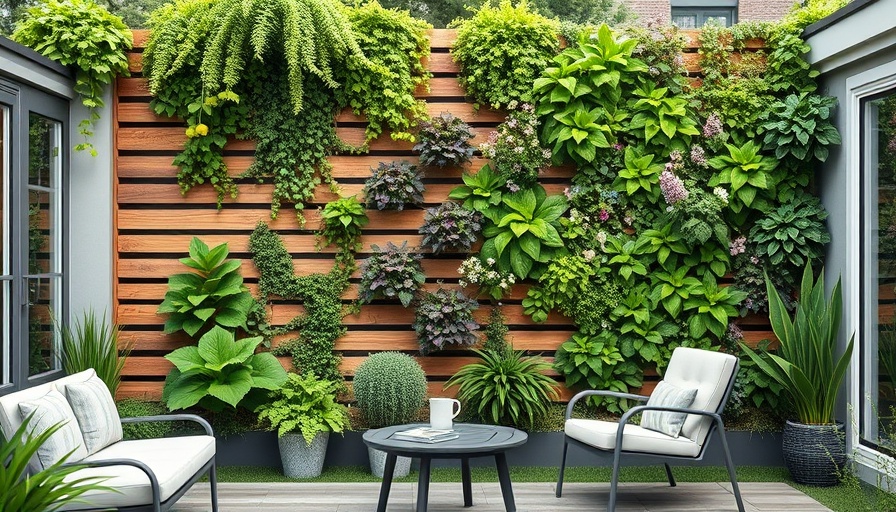
DIY back garden privacy screen idea with vertical plant wall.

Transform Your Outdoor Space: DIY Privacy Screen Ideas

In our increasingly crowded living conditions, privacy in our gardens often feels like a luxury. However, you can effortlessly create your own sanctuary without breaking the bank. DIY privacy screens provide an engaging, creative way to shield your outdoor oasis from prying eyes. Whether you're aiming for a rustic vibe, a modern touch, or a nature-inspired atmosphere, there are countless solutions tailored to suit your preferences.

Using Vertical Gardens for Dual Privacy and Plant Aesthetics

One fantastic idea is to create a vertical garden that offers both a privacy solution and a lush display. By using wooden panels or metal grids, you can fill these structures with climbing herbs, succulents, or even flowers. Not only does this block the view from neighbors, but it also imbues your space with life and color, transforming standard fencing into a vibrant feature. Building such a garden requires a sturdy frame, planters, and an assortment of your favorite plants—each element contributing to both the aesthetic and functional aspects of your privacy solution.

The Versatility of Bamboo for Natural Privacy

For those in search of a quick and natural barrier, bamboo rolls stand out as an excellent choice. With their easy installation, simply attach them to existing fences or utilize them as standalone screens. Their warm, tropical vibe seamlessly integrates with various garden styles, enhancing any space. Besides aesthetics, bamboo is also environmentally friendly, making it a sustainable option that aligns with modern eco-conscious practices.

Elegant Outdoor Curtains for a Chic Touch

Transform your garden's look by incorporating hanging outdoor curtains. This approach is particularly effective on pergolas or overhangs, as they offer a soft privacy solution while adding an element of elegance. When selecting fabric, opt for weather-resistant materials in colors that complement your garden's palate; the result is a chic, inviting atmosphere that immediately elevates your outdoor space.

Natural and Eco-Friendly Lattice Screens

For those interested in blending privacy with natural beauty, a lattice screen adorned with climbing vines is a stunning option. Using potted ivy, jasmine, or clematis can create a fragrant, living wall that gradually increases in height, providing a naturally beautiful boundary. Using recyclable materials for the lattice can add to its eco-friendly appeal, aligning with sustainable gardening practices.

The Charm of Upcycled Privacy Structures

If cost and sustainability are your priorities, consider repurposing old wooden pallets into stylish screens. These can be painted to match your garden theme and configured easily for a rustic aesthetic. Stack the pallets vertically, secure with screws, and voilà—an attractive and functional privacy wall emerges from materials that would otherwise be discarded.

Artistic Touch with Decorative Metal Panels

For a more contemporary flair, opt for decorative laser-cut metal panels. These intricately designed screens not only provide partial coverage but also function as focal points, enhancing the garden's visual interest. Choose designs that resonate with your overall garden theme, and you’ll find these panels serve both aesthetic and practical roles in your outdoor space.

Innovative Gabion Wall for a Modern Edge

If you desire something bold and distinctive, a gabion wall might be the ideal solution. Fill metal cages with stones or other materials for a robust, eye-catching structure. Its unique architectural appeal fits seamlessly in modern garden designs, positioning it as a true statement piece. This option not only provides privacy but also offers significant durability, ensuring your investment lasts.

Living Fences: A Sustainable Choice

Lastly, using fast-growing shrubs like bamboo or laurel presents an effective and eco-friendly alternative. Living fences can create natural barriers that evolve and mature, offering not only privacy but also habitat for local wildlife. This sustainable approach keeps your outdoor areas vibrant and alive while contributing positively to the environment.

Conclusion: Customize Your Privacy Solutions

With so many options available, creating a comfortable and private outdoor retreat is attainable for every homeowner. By integrating personalized elements and sustainable practices, you can enhance your garden while maintaining your privacy.

DIY Projects

19 Views

0 Comments

Write A Comment

*
*
Please complete the captcha to submit your comment.
Related Posts All Posts
09.06.2026

Unlock the Secrets to Carry-On Packing for Men’s Travel

Update Mastering Carry-On Packing: A Challenge for Men When embarking on an overseas trip to England, Scotland, or Ireland, understanding how to efficiently pack a carry-on suitcase is an essential skill, especially for men. Contrary to popular belief, packing light can be a daunting task, particularly if your wardrobe contains bulkier items. As experienced travelers, we often realize that men’s clothing takes up significantly more space, which can affect the overall packing process. In this article, we'll explore the essential tips for packing light like a pro while covering different styles and outfit options for various occasions throughout a 13-day trip. The Essentials for Your Carry-On Suitcase For men, maximizing space is vital. Opting for versatile clothing that can be mixed and matched is important. Mark, our subject, is traveling with a carefully curated selection of items aimed at minimizing the bulk without sacrificing style or comfort. He has chosen three nice plaid shirts, which can be easily layered over t-shirts for versatility. With the weather ranging from the 60s to 70s, this layered approach will keep him comfortable whether it’s a sunny day in London or a breezy evening in Dublin. A Deep Dive into Clothing Choices Mark is bringing along five pairs of pants: a combination of jeans and cargo-style trousers. This mix provides the necessary adaptability, as he can shift between casual outings and more refined dining experiences. Wearing one pair of jeans during travel means he only needs to pack a good variety while still keeping his suitcase light. When it comes to undergarments, he's utilizing a packing cube to keep everything organized—this not only saves space but also streamlines access during the journey. Shoes: The Heavyweights of Luggage One of the major challenges in packing for men revolves around shoes. With larger foot sizes, footwear often occupies excessive space. To counter this, Mark is sticking to just one pair: a versatile pair of Skechers. This option is both comfortable for walking during the day and appropriate for casual outings in the evening. Additionally, he plans to wear his long raincoat on the plane, which will alleviate further congestion in his luggage. Accessing the Style and Practicality Balance With each item he packs, Mark carefully weighs the balance of style and functionality. The ability to dress well while visiting historic sites or attending social gatherings is paramount, yet it should not come at the expense of convenience. By selecting clothing that is versatile, stylish, and weather-appropriate, he ensures that he'll not only look good but also feel comfortable. Emphasizing the Importance of Smart Packing As Mark preps, it’s clear that the experience of packing for travel can't be underestimated. With his 20-inch carry-on and a large suitcase typically in tow, a medium-sized suitcase may be a future investment to consider as he grapples with how to pack efficiently. Smart packing strategies not only reduce stress but also enhance the travel experience. Having easy access to luggage upon arrival can make a world of difference when it comes to adjusting to a new environment. Conclusion: Traveling Smart, Making Memories Ultimately, mastering the art of carry-on packing transcends mere convenience. It lays the groundwork for an enjoyable travel experience filled with memorable moments. With well-planned outfits and practical strategies, Mark is poised for an adventure that blends efficiency with style—ensuring he can fully relish his 13-day journey across the British Isles. Equipped with the knowledge shared here, your next travel escapade is just as attainable! Feeling inspired to transform your packing process? Start planning your next journey today!

09.05.2026

How Heavy Rain Can Reveal Critical Garden Issues You Must Address

Update How Heavy Rain Unveils Hidden Garden Issues After weeks of dry weather, heavy rain can feel like a blessing for your garden. Yet, once the downpour stops, taking a closer look is essential. Heavy rain can serve as a revealing agent, uncovering drainage problems that often go unnoticed during the drier months. Issues like compacted soil, poor runoff management, and washed-away topsoil can manifest during these intense rain events. Puddles: The Tell-Tale Signs of Poor Drainage The first thing you might notice after heavy rainfall is the formation of puddles. A minor accumulation of surface water isn't necessarily alarming, but if specific areas remain waterlogged long after the rain, that's a signal of potential drainage issues. Persistent waterlogging can harm your turf and deprive plants of essential oxygen, leading to an unhealthy garden environment. Understanding Compacted Soil: The Silent Drainage Killer Are you noticing water pooling on the surface rather than soaking into the ground? This scenario could indicate compacted soil. Compaction reduces the spaces through which air and water normally move, leading to persistent drainage issues. It's particularly common in clay-heavy soils, which naturally have slower drainage capabilities. To mitigate this, avoid walking on waterlogged areas, as this can worsen compaction. Once the ground dries, consider aeration techniques or incorporating organic matter into the soil to improve drainage efficiency. Directing Runoff: Monitoring Water Flow In the aftermath of heavy rain, observe how water flows across your property. Pay attention to your gutters, downpipes, patios, and paths. Are you directing water into an undesirable area? Does a downpipe empty directly into a flowerbed, causing localized flooding? Adjusting gutters or repositioning downpipes may be necessary to prevent concentrated runoff that could lead to erosion and other resulting problems. Tracking Water Movement via Mulch Wash-Away Don’t just look for standing water—observe how water moves across your garden. Heavy rain can wash away mulch, uncovering soil and creating visible channels. This runoff not only diminishes your garden’s aesthetic appeal but can also lead to increased soil erosion. Instead of simply replacing mulch after each storm, consider implementing barriers or planting strategically to encourage water absorption and redirect flow. Yellowing Plants as an Indicator of Waterlogged Roots One common symptom of drainage issues is plant yellowing, caused when roots sit in waterlogged conditions for too long. Although it may appear that these plants need water, their roots are actually deprived of oxygen, leading to poor growth and increased susceptibility to disease. If you frequently notice this problem following heavy rains, it's critical to assess the drainage conditions and take corrective action. Healthy roots are vital for robust plant growth. Persisting Problems: The Importance of Proactive Solutions If certain areas continue to face flooding and drainage issues after heavy rains, it’s essential to consider permanent solutions. Repeated flooding can lead to the gradual deterioration of your garden, increasing repair costs down the line. Take notes of problem areas and develop a plan to address and enhance drainage solutions proactively before the next downpour. Conclusion: Your Next Steps for a Healthier Garden Observing your garden in the wake of heavy rainfall is crucial to maintaining a healthy outdoor space. Identifying drainage issues early can prevent long-term damage and enhance the aesthetic and functional aspects of your garden. From monitoring water retention to improving soil structure, your proactive actions can significantly shape the vibrancy of your landscaping. Don’t underestimate the insightful feedback nature provides during these rains—take the necessary steps to ensure your garden thrives.

09.09.2026

Is Planned Obsolescence Why Smartphones Seem to Fail So Quickly?

Update Why Do Smartphones Seem To Have Such a Short Lifespan? In today's fast-paced world, smartphones have transformed from luxury items into essentials in our daily lives. Yet, the rapid obsolescence of these devices has generated frustration among users, leaving many to wonder about the reasons behind their seeming short lifespan. Recent discussions among tech experts reveal a complex interplay of design choices, user behavior, and corporate strategies that contribute to this issue. Understanding Planned Obsolescence Planned obsolescence has emerged as a hot topic in the smartphone arena, raising questions about whether manufacturers design devices to fail as a sales strategy. Michael Frohlich, a tech developer, candidly asserts, “Yes, in a way they are.” This tactic, infamously practiced by some companies, compels consumers to upgrade to newer models sooner than necessary. Apple, notably, faced backlash after a class-action lawsuit claimed its actions led to purposeful slowdowns of older iPhone models — highlighting the blurred lines between product improvements and engineered obsolescence. The Role of Battery Life in Smartphone Longevity One of the most common culprits in the decline of smartphone performance is battery life. Lithium-ion batteries, which power the majority of smartphones, degrade after approximately 500 charge cycles. This degradation leads to shorter runtimes and unexpected shutdowns. Steven Athwal, a phone refurbisher, notes that a simple battery replacement can often breathe new life into an otherwise functional device. “Don’t mistake a declining battery for the entire phone reaching the end of its life,” he emphasizes. Indeed, many smartphones can last years with just a battery swap. What Makes Modern Smartphones Difficult to Repair? Modern smartphones are increasingly challenging to repair, largely due to design trends prioritizing water resistance and slim profiles. While these features improve user experience, they also contribute to a multitude of glues and tightly packed components, complicating repairs. Athwal mentions that while these innovations enhance devices, they simultaneously hinder self-repair efforts, nudging users toward manufacturer services instead. Common Misconceptions About Smartphone Maintenance There is a plethora of advice circulating about how to maintain smartphone batteries, much of which is misleading. One widespread myth is that draining a battery to 0% before charging it is best. In reality, keeping the battery charged between 20% and 80% can extend its lifespan by 10% to 15%. Additionally, frequent fast charging and leaving a device plugged in overnight can decrease durability, underscoring the importance of proper battery care. The Environmental Impact of Disposable Technology The implications of smartphone churn extend beyond individual users to the environment. Manufacturing smartphones generates significant greenhouse gases, contributing to climate change. The frequent replacement of devices and the resultant electronic waste (e-waste) magnify these environmental concerns. Homeowners and tech users alike should weigh the impact of their choices, considering repair over replacement and opting for brands that prioritize sustainability. Planning for Longevity: How to Make Your Smartphone Last To maximize the lifespan of a smartphone, users should proactively maintain their devices. Regularly updating software, replacing aging batteries, and utilizing protective cases can thwart premature failures. Users who invest time in care and aware practices may prolong the usability of their phones for over four years, and some even make it to the ten-year mark. Your Path Toward Sustainable Smartphone Use As technology continues to evolve, so do the expectations surrounding it. By embracing sustainable practices like battery replacements and repairs, savvy homeowners can contribute to a larger shift toward responsible consumption. This shift is not just beneficial for personal finance but also for the planet. In conclusion, while smartphones may seem designed for obsolescence, informed users can take steps to extend the life of their devices while promoting sustainability. Make a conscious effort today to care for your technology — your wallet and our planet will thank you!

Atlanta Home Garden Insider

Essential Garden and Lawn Care Tips for Atlanta Metro Residents: Stay Updated for a Thriving Landscape!

Green Street Consulting LLC

email: kevin@greenstdigitalmarketing.com


© 2026 CompanyName All Rights Reserved. Address . Contact Us . Terms of Service . Privacy Policy

Terms of Service

Privacy Policy

Core Modal Title

Sorry, no results found

You Might Find These Articles Interesting

T
Please Check Your Email
We Will Be Following Up Shortly
*
*
*