
cropper
update
Atlanta Home and Garden Insider
update
  • Home
  • Categories
    • DIY Projects
    • Sustainable Practices
    • Design Trends
    • Landscaping
    • Lawn and Garden Care
  • Smart Home Tech
  • Interior Design Tips
  • Home Maintenance
July 22.2025
3 Minutes Read

Don't Get Scammed: The Truth About Cheap Kitchen Cabinets Revealed

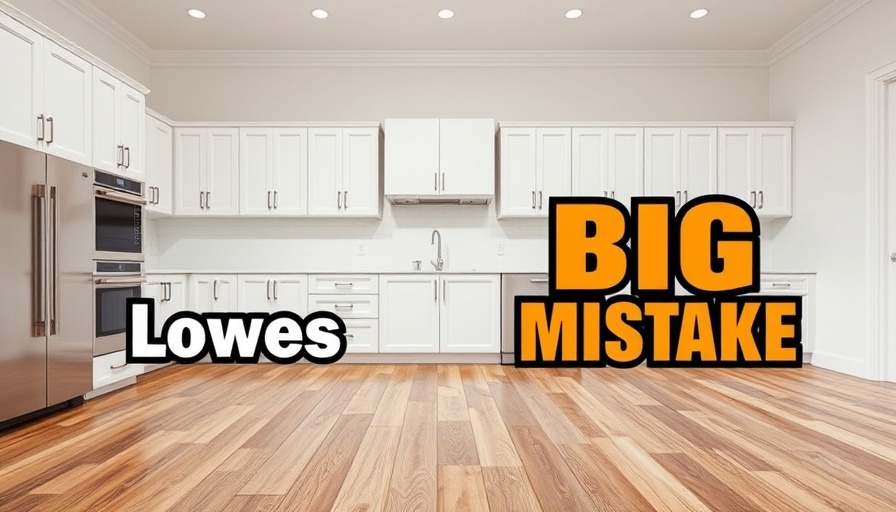
Comparison of cheap kitchen cabinets from different brands.

Understanding the Real Cost of Cheap Kitchen Cabinets

Shopping for kitchen cabinets can be overwhelming, especially with the allure of low prices at big box retailers. However, the video Don't Get Scammed! The Shocking Truth About Cheap Kitchen Cabinets offers critical insights into the potential pitfalls of opting for the cheapest solutions. As homeowners embark on kitchen renovations, understanding the materials and construction methods used in cabinets is essential to make informed decisions.

In Don't Get Scammed! The Shocking Truth About Cheap Kitchen Cabinets, the discussion dives into the stark contrasts in cabinet quality, exploring key insights that sparked deeper analysis on our end.

Material Matters: The Foundation of Quality Cabinets

When comparing cabinets, one of the foremost factors is the material used in their construction. In the video, Scott highlights the distinct differences between ready-to-assemble options from companies like Cabinet Giant and the builder-grade cabinets available at home improvement giants like Lowe's and Home Depot. Cabinet Giant utilizes solid plywood for their cabinet boxes—a choice that promises longevity and robustness. In contrast, builder-grade options often rely on particle board. While it may seem cost-effective at first, particle board cabinets can swell and warp over time, particularly in moisture-heavy environments like kitchens and bathrooms.

Construction Quality: Assembly Insights

Beyond just the materials, the construction method plays a critical role in durability. Ready-to-assemble cabinets may take time to put together, but they often feature better assembly techniques. For example, Cabinet Giant’s cabinets use sturdy brackets and screws for enhanced stability, while some less expensive options rely on staples and inferior adhesive methods. This difference results in cabinets that can withstand daily use without compromising structure. Homeowners should weigh the amount of time and effort needed to assemble high-quality cabinets against the recurring costs associated with less durable options.

Hardware: The Unseen Key to Functionality

Cabinets are only as good as the hardware that supports them. Scott points out the stark contrast in cabinetry hardware. Builder-grade cabinets typically employ basic slides that can wear out quickly, lacking features like soft close mechanisms. On the other hand, higher-quality brands like Cabinet Giant offer industrial-strength slides that not only improve function but enhance the user experience with dependable soft close features. This is significant for everyday kitchen use, where drawers are subjected to frequent opening and closing.

Finishes That Matter: Visual Appeal and Longevity

Cabinet finishes also influence both the look and durability of kitchen cabinets. Scott emphasizes the importance of selecting cabinets that feature solid wood surfaces instead of veneer or flimsy plastics. Quality finishes not only elevate the overall aesthetics but also resist chipping and wear over time. Homeowners looking to create a welcoming space must consider how the cabinets fit into their overall design vision while ensuring they can handle the rigors of family life.

Value vs. Cost: Navigating Pricing Strategies

In a market filled with enticing price points, understanding value is crucial. The video reveals a surprising fact: high-quality cabinets from reputable retailers like Cabinet Giant can be competitively priced, often matching or undercutting builder-grade options. With the right discounts, such as the 25% off coupon mentioned in the video, homeowners can acquire durable, stylish cabinets that stand the test of time without breaking the bank. Smart shopping means seeking out these value-driven deals while prioritizing quality over initial pricing.

Making Informed Choices: Final Thoughts

If you’re planning a kitchen remodel, the key takeaways from the video are clear: prioritize quality materials, construction methods, and durable hardware. While the temptation of cheap cabinets is strong, understanding the long-term repercussions of purchasing inferior products can save you time, money, and frustration in the future. The insights offered by Scott are invaluable for homeowners looking to enhance their living space with confidence.

Now that you're equipped with knowledge for your kitchen project, consider exploring options that align with your design ambitions without compromising on quality. For your next DIY endeavor, remember that investing in quality cabinets is an investment in your home’s value and your family's comfort.

Smart Home Tech

12 Views

0 Comments

Write A Comment

*
*
Please complete the captcha to submit your comment.
Related Posts All Posts
05.25.2026

Transforming Your Home: Journey from Dumb to Smart Living

Update Unlocking the Potential of Your Dumb Home: A Path to Smart Living In a world increasingly dominated by technology, the concept of a "smart home" has become more alluring than ever. Yet, as seen in the video My New House is NOT Smart (yet), many homeowners still find themselves grappling with outdated systems and the daunting task of transforming their residences into tech-savvy havens. This journey, laden with challenges, ultimately represents a unique opportunity to upgrade our living spaces and enhance comfort, convenience, and security.In My New House is NOT Smart (yet), the discussion dives into the challenges of transitioning to a smart home, exploring key insights that sparked deeper analysis on our end. The Challenge of Transitioning to Smart Technology As illustrated in the video, moving into an older home often presents immediate hurdles in the pursuit of home automation. One of the first priorities mentioned is establishing a security system. The existing hardwired security system from ADT might not be the best fit for a smart home setup. Instead, experimenting with newer solutions that integrate seamlessly with existing wiring can yield a customized approach that leverages technology effectively. Specifically, the notion of utilizing devices that require local control rather than cloud connections is pivotal. This aligns with the homeowner's five important rules for smart home integration, which emphasize the necessity for maintaining functionality even in the event of internet outages. By relying primarily on Matter-compatible devices and those utilizing Z-Wave and Zigbee protocols, homeowners can ensure a more reliable system. Practical Steps to a Smart Home: Security, Comfort, and Connectivity The video highlights various aspects of the transition, particularly focusing on security solutions and network optimization. Aside from the lack of a functional front door lock, which presents a need for smart replacements, making the garage door operational via mobile control emerges as a significant improvement. The mention of Rat GDIO as a controller solution indicates that replacing outdated technology can open up new realms of convenience. Moreover, Wi-Fi connectivity arises as an essential foundation for any smart home. The detachable shop, originally a limitation due to poor network signal, can be transformed through the adoption of UniFi wireless devices. Bridging this connectivity gap ensures that testing various smart home devices and setups will be smooth and effective. Enhancing Comfort Through Smart Technology Curbing energy costs remains a high priority for homeowners, further illuminated by the examination of Honeywell thermostats in the video. Though connected to the network, these devices have limitations which may lead to inefficiencies. Upgrading to smarter, motion-sensing thermostats can drastically improve energy management. Likewise, automating ceiling fans and lighting can not only modernize the living space but also lead to greater comfort and significant energy savings. Navigating Emotional Connections to Home Automation The emotional aspect of home technology is notable as the homeowner addresses personal setbacks with change, reflecting the innate connection we have with our homes. Acknowledging family needs by designing a user-friendly, "grandma-proof" environment demonstrates foresight and commitment to inclusivity in technological advancements. Furthermore, this proactive approach ensures that all family members can enjoy automated comforts without the steep learning curve often associated with new technology. Game-Changing Automation: Benefits Beyond Mere Convenience In exploring the journey of home automation, it’s crucial to recognize the long-term benefits of effectively implemented technology. Integrating smart irrigation systems and robotic lawnmowers into landscaping efforts can ease maintenance and promote sustainability. Not only do these solutions contribute to the aesthetic appeal of one's home, but they also help reduce labor and utility costs over time. A Look Ahead: Future Innovations and Community Insights The video concludes with a commitment to continually improve, promising exciting developments in home automation. This journey, while challenging, has the potential to inspire others embarking on their own smart home renovations. By sharing experiences and practical insights, an evolving community forms where solutions are collaboratively developed and refined. As you contemplate embarking on your adventure to transform your living space into a smart sanctuary, remember that innovation is a continuous process. Maintaining an open dialogue with others can only enhance this experience, ultimately paving the way for intelligent homes that reflect individual preferences and lifestyles. Final Thoughts In conclusion, the transition from a traditional home to a smart home is laden with opportunities for creativity and efficiency. Understanding the obstacles and leveraging innovative technologies ensure homeowners can navigate this uncharted digital territory. By prioritizing local control and user-friendly design, you can craft a home that truly reflects modern conveniences and caters to the future. If you’re inspired to enhance your own living space and embrace smart technology, start by defining your own automation goals. Assess what’s already in place, identify limitations, and strategize for improvements—your ideal smart home awaits!

05.10.2026

Explore Home Assistant 2026.5: Elevating Your Smart Home Experience

Update Revolutionizing Smart Homes: The Latest in Home Assistant 2026.5 As homeowners increasingly adopt smart technologies, staying updated with software developments in these systems is crucial. Home Assistant's latest release, version 2026.5, unveils substantial advancements that optimize user experience and broaden integration possibilities. The addition of new features enhances automation capabilities and overall usability, making it a game-changer for everyday interactions with smart home devices.In 'Everything New In Home Assistant 2026.5!', the discussion dives into significant upgrades in smart home technology, exploring key insights that sparked deeper analysis on our end. Understanding Proxies and Their Benefits This month’s update introduces two new proxy types — RF and serial proxies — that allow users to connect devices to Home Assistant without the need for direct physical connections. Proxies act as intermediaries, allowing homeowners to control devices such as garage door openers and energy meters seamlessly. For example, the RF proxy can interface with older RF remote-controlled devices, fostering an integration bridge for those products often considered obsolete. This expansion empowers users to control a wider range of devices from a central hub, significantly enhancing home automation. Streamlined Automation: Improvements to the Editor One of the most notable upgrades in 2026.5 is the evolving automation editor. For those who previously found automation setups daunting, the new purpose-specific triggers and conditions simplify the process. For instance, users can now automate actions based on media player statuses or even doorbell triggers. These enhancements focus on improving the ease of use, enabling more personalized and responsive home environments. The ability to specify time conditions adds an additional layer of sophistication, allowing systems to respond to various scenarios effectively. Enhancing User Interfaces: A Closer Look The new maintenance dashboard significantly streamlines the way homeowners manage their devices. With an easily accessible view showing devices with low battery, it allows users to proactively address issues before they escalate. Moreover, the activity log offers transparency regarding security systems, showcasing a timeline of events for enhanced peace of mind. Such updates reflect the commitment of Home Assistant to prioritize user experience and security in home automation. UI Improvements: Aesthetic Upgrades for Better Experience This version also brings marked improvements in user experience with redesigned visual elements. Changes like a cleaner toggle interface and enhanced feedback in progress indicators enhance usability and aesthetic appeal. These tweaks, while subtle, elevate the overall home control experience, making the interaction feel more modern and responsive. Broadening Integration Possibilities: New Additions Home Assistant 2026.5 embraces the spirit of integration by introducing 12 new integrations, including those supporting the newly added RF and serial proxies. With growing options, homeowners can expect wider compatibility across various smart devices. Additionally, some integrations allow users to set them up through the user interface rather than traditional YAML coding, a significant step toward broader accessibility for less tech-savvy users. Anticipating the Future of Smart Home Technology The improvements and new features in Home Assistant 2026.5 hint at a more interconnected and user-friendly future for smart home technology. As more devices become compatible and UI experiences improve, homeowners can look forward to a more intuitive interaction with their environments. Given the rapid pace of technological advancements, this release positions Home Assistant as a leader in smart home software innovation. Conclusion: Embrace the Smart Home Revolution Home Assistant's 2026.5 release presents a suite of upgrades that empower homeowners to optimize their smart home environments effectively. Whether you are looking to enhance security, streamline automations, or simplify device management, the latest innovations offer practical solutions to enhance user experience. Take full advantage of these improvements by updating your Home Assistant system today.

05.02.2026

Transform Your Space: The Impact of Smart Home Technology

Update Understanding Progress in Home Design and Technology As the housing market evolves, homeowners are continuously looking for ways to integrate modern technology into their living spaces. The recent video, The First Signs of Progress! - Highfield House EP2, delves into innovative developments that can enhance both aesthetics and functionality of homes. For homeowners aged 40-50, sitting at the intersection of experience and readiness for change, it is vital to understand how these advancements can create more comfortable and efficient living environments.In 'The First Signs of Progress! - Highfield House EP2', the discussion dives into innovative home technologies, exploring key insights that sparked deeper analysis on our end. Key Innovations Highlighted in Highfield House In the latest episode of Highfield House, several technological advancements are showcased that promise to not only revolutionize home design but also elevate the living experience. These innovations range from smart home systems that allow for seamless control of lighting and security to sustainable practices that minimize the environmental impact of household maintenance. Each inflection point represents a shift toward a lifestyle that balances comfort with responsibility. The Social Connection: Why Home Technology Matters For homeowners today, technology is not just about convenience; it also fosters social connections and improves quality of life. With smart home devices, family members can stay connected even while physically apart. For example, smart thermostat systems enable temperature adjustments from remote locations, ensuring a welcoming atmosphere when loved ones return home. Maintaining a comfortable haven is increasingly paramount, especially during family gatherings or social events. Practical Insights: Steps Towards Smart Home Integration Integrating smart technology into your home doesn’t require an entire remodel. Homeowners can begin by opting for a few key gadgets that can significantly enhance daily routines: Smart Thermostats: These devices learn your schedule, adjusting heating and cooling to save energy while maximizing comfort. Smart Speakers: Not only can they play your favorite music, but you can also control other smart devices with voice commands, simplifying life. Home Security Systems: Enhanced safety means peace of mind, allowing homeowners to monitor their properties remotely through smartphone apps. By taking small steps toward these integrations, homeowners can progressively transform their living spaces. Future Trends: What's Next in Home Design? Looking ahead, the trends observed in Highfield House showcase a push towards sustainable living and energy efficiency. As awareness about climate change increases, consumers are opting for products that align with their values. This includes solar panels, energy-efficient appliances, and sustainable materials in redesigning spaces. Such choices not only reduce energy costs but are also appealing to environmentally-conscious buyers. Decisions to Consider: Aligning Technology with Personal Values Homeowners today should also consider how their technical upgrades relate to their values. For instance, incorporating smart home tech that reduces waste and enhances energy efficiency can speak volumes about a household’s commitment to sustainability. It’s paramount to make choices that reflect personal philosophies while not compromising on comfort and design. Common Misconceptions: Technology is Just for the Younger Generation A prevalent misconception is that smart home technology is reserved for younger generations due to perceived complexity. However, advancements in user interface design have made these technologies more accessible to all age groups. Tutorials, customer support resources, and user-friendly designs allow those in the 40-50 age group to embrace these changes confidently. Conclusion: Embrace Progress in Your Home As you contemplate the possibilities set forth in The First Signs of Progress! - Highfield House EP2, remember that the integration of modern technology into your home can not only elevate your living experience but also reflect a commitment to sustainable living. Taking action to improve your home is about more than aesthetics — it’s about forging connections, enhancing safety, and investing in the future of your space. Now is the perfect time to explore these innovations and make informed decisions that will benefit both you and the environment.

Terms of Service

Privacy Policy

Core Modal Title

Sorry, no results found

You Might Find These Articles Interesting

T
Please Check Your Email
We Will Be Following Up Shortly
*
*
*