
The Mystery of Tiny Holes in Electrical Prongs Unveiled
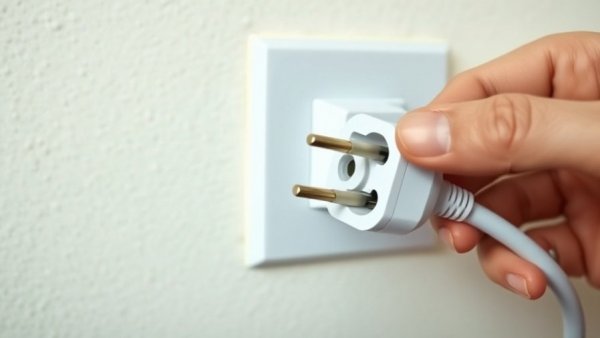
Ever look closely at your electrical plugs and noticed those seemingly extraneous holes in the prongs? Odds are, you have, but like many homeowners, the surprising function of these holes may not be widely known. Originally designed to help plugs fit more securely into their sockets, these tiny circles have a history that stretches back several decades, producing that subtle intrigue we all experience when we encounter everyday objects with unexpected features.
Why Were Holes in Prongs Ever Invented?
According to the National Electrical Manufacturers Association (NEMA), the holes in plug prongs were initially crafted to assist in keeping them secure in older electrical outlets. Older outlet designs featured small indents or “bumps” which would fit into these holes, preventing any unwanted disconnection. However, this method became obsolete when safety standards were updated. The Underwriters Laboratories established new requirements mandating outlets to hold plugs securely without needing those old-fashioned bumps.
“Most manufacturers stopped putting the detent nibs on the female contacts, as it made it much harder to meet the maximum force to withdraw and did nothing for the minimum requirement,” states NEMA. Nowadays, modern outlets are engineered to provide a firm grip on prongs, making those holes largely redundant.
What Are the Holes Used For Today?
In the modern context of plug manufacturing, these holes wield a much less critical role. They are often utilized during the assembly process to hold prongs in place, ensuring they are assembled correctly. Interestingly, they can also serve as a means to attach safety tags or locks to unplugged appliances, adding a layer of precaution for safety-conscious homeowners. Yet, while these tags might enhance safety awareness, they are not a substitute for proper safety practices. The Occupational Safety and Health Administration (OSHA) establishes rigorous standards for preventing accidental activations of machinery, especially during maintenance.
The Evolution to Safer Outlets: Tamper-Resistant Options
Many homeowners today might think the holes seem linked to child safety, as there’s a rise in discussions about tamper-resistant outlets (TRRs). TRRs employ internal shutters that only unlock when a correct plug is inserted, preventing children from jamming objects into sockets. While TRRs are indeed safer, especially in households with young ones, they do not utilize the hole feature in any significant way.
In fact, if you find that a plug begins to slip out of its outlet, it is wise to investigate—this could indicate that your outlet is worn and might need replacement. Ensuring your home is equipped with high-quality, modern outlets that meet safety standards is a necessary step in maintaining an electrically safe space.
What Homeowners Should Know About Plug Safety
Knowledge is power when it comes to home maintenance, and understanding the functionalities of your electrical components is crucial in today’s technologically advanced age. While these holes do not contribute to grounding or improve electrical flow, recognizing the wear and tear on outlets is vital. In fact, OSHA rules emphasize regular safety checks and proper usage of electrical equipment to ensure your home environment remains secure.
Moreover, consider investing in outlet upgrades—choosing TRRs or other improved designs can offer added safety while helping to usher your home into a more modern era of electrical safety.
Final Thoughts: Knowledge Empowers Safe Choices
Next time you plug in an appliance, take a moment to appreciate the intricate design and evolution of electrical safety. While those tiny holes may seem inconsequential, they carry insights into the ingenuity of electrical engineering and the ongoing improvements in safety standards. So, stay informed, check your outlets regularly, and keep your home safe.
Empower Yourself with Safety Knowledge
Understanding the functionalities of your home's electrical systems can lead to safer household practices. Embrace the knowledge of how plugs, outlets, and the safety features work to protect you and your family in unexpected ways. For more tips on home maintenance, consider reaching out to your local electrical expert or conducting a safety checkaround your home today!




Write A Comment