
Add Row
Add Element
cropper
update
Atlanta Home and Garden Insider
update
Add Element
  • Home
  • Categories
    • DIY Projects
    • Sustainable Practices
    • Design Trends
    • Landscaping
    • Lawn and Garden Care
  • Smart Home Tech
  • Interior Design Tips
  • Home Maintenance
March 25.2025
3 Minutes Read

Discover Why Artificial Turf Drainage Surpasses Natural Grass Efforts

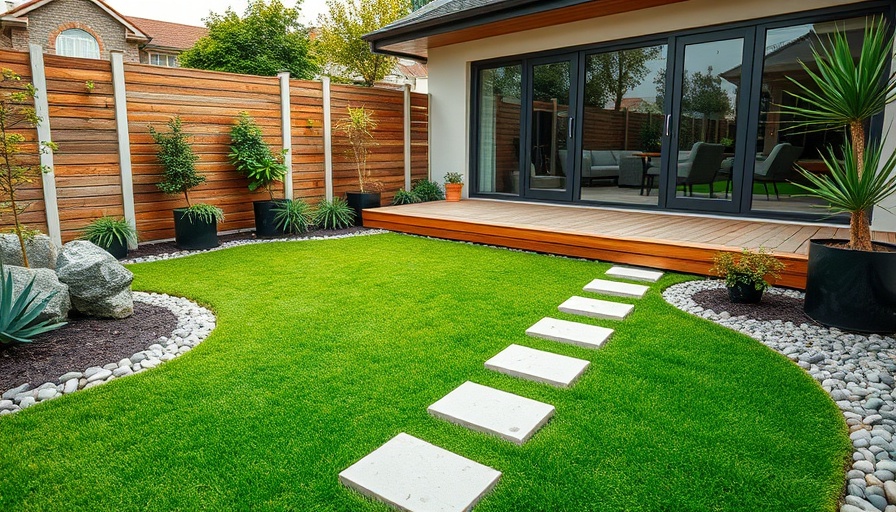
Modern backyard with artificial turf drainage system highlighted

Revolutionizing Your Lawn: The Benefits of Artificial Turf Drainage

For homeowners tired of dealing with unsightly puddles and muddy feet, artificial turf offers a modern solution. The ability of synthetic grass to remove excess water efficiently makes it superior to natural grass, particularly when it comes to drainage. Its innovative design allows for quick absorption and passage of liquid, resolving many of the common issues associated with traditional lawns.

Why Real Grass Struggles with Drainage

One of the primary shortcomings of natural grass is its vulnerability to issues caused by poor drainage. Factors like improper grading and soil composition contribute to stagnant water, inviting pests and damaging surrounding flora. The unique composition of artificial turf helps eliminate these problems; rain and runoff are directed through the turf swiftly, which keeps lawns looking pristine.

Pros of Synthetic Grass: Soil Erosion Prevention

Soil erosion due to rain or winds can result in topsoil displacement, particularly in sloped areas. Artificial turf forms a protective barrier, preventing soil from washing away while simultaneously allowing rain to drain rapidly. By switching to synthetic options, homeowners can maintain the integrity of their landscaping.

Combatting Overwatering: Freedom with Turf

Traditional lawns require regular watering, a fact that can lead to overwatering—an all-too-common scenario that results in muddy patches and poor drainage. In contrast, synthetic grass does not require watering to maintain its lush appearance, significantly reducing the risks associated with oversaturation.

Keeping Pests at Bay: Healthy Living Spaces

Excess moisture is a magnet for pests. Standing water attracts mosquitoes and other undesirable insects, potentially threatening outdoor enjoyment and home health. By enhancing drainage with artificial turf, homeowners can effectively keep their lawns dry and deter these pests.

Combatting Compaction: The Advantage of Turf

Heavy foot traffic and outdoor machinery can lead to compacted soil, which only exacerbates drainage problems. Unlike traditional grass, artificial turf withstands wear without the need for mowing or heavy equipment that compacts soil. Installing turf means promoting healthier ground conditions and maintaining an inviting outdoor environment.

Say Goodbye to Muddy Conditions

Rain might be refreshing, but muddy grass can render spaces hazardous, especially for children and pets. Artificial turf offers a solution free from the pitfalls of traditional grass, providing a safe area that won’t leave tracks on indoor flooring.

Why Mold and Mildew Fear Turf

With poor drainage in natural grasses, mold and mildew become prevalent, gracing lawns with unwelcome visitors. In contrast, synthetic grass facilitates quick drying and minimizes moisture retention. Homeowners can rest easy knowing that their lawns are much less likely to harbor such unsightly growth.

Conclusion: Transform Your Lawn with Artificial Turf

The advantages of installing artificial turf are numerous, offering not just aesthetic appeal but functional benefits such as enhanced drainage and the prevention of pest infestations. Transitioning to synthetic grass not only improves the visual condition of your outdoor space but also simplifies maintenance while safeguarding your lawn from common issues. Ready to see what artificial turf drainage can do for you? Reach out to Watersavers Turf at 844-974-8873 with any questions or to get a free estimate.

Sustainable Practices

10 Views

0 Comments

Write A Comment

*
*
Please complete the captcha to submit your comment.
Related Posts All Posts
04.10.2026

Transform Your Landscape with Unique Garden Obelisk Ideas

Update Elevate Your Garden Aesthetic with Obelisks Garden obelisks are more than just decorative structures; they are multifunctional pieces that can elevate the aesthetic of your outdoor space while serving practical purposes. For homeowners looking to craft visually stunning gardens, obelisks provide an opportunity to add vertical interest, create focal points, and support a variety of plants, from climbing roses to edible vines. As we delve into creative ways to incorporate these striking structures into your garden design, consider your unique style and the overall theme of your landscape. Creating Focal Points with Garden Obelisks One key benefit of using garden obelisks is their ability to act as focal points in your landscape design. When positioned thoughtfully, they can draw the eye and enhance the overall flow of your garden. For example, a tall, classic obelisk can serve as a centerpiece in a herbaceous border, integrating seamlessly with the surrounding plant life while standing out due to its height. Pairing similar styles in different areas of your garden can unify your theme, making the space feel more cohesive. This technique is supported by insights from garden designers, who often emphasize the importance of visual continuity. The Versatility of Obelisks: From Function to Form Beyond aesthetics, garden obelisks serve practical purposes. They provide support for climbing plants, helping to maximize vertical space. Whether you're tying three poles together to create a classic trellis effect or investing in a sturdier, more elaborate structure, the right obelisk can significantly enhance plant growth and contribute to the productive use of your garden. Choosing obelisks that align with the scale of your garden—such as five-foot obelisks for vegetable patches—ensures functionality meets style effectively. Incorporating Obelisks into Your Garden Design Consider your gardening goals as you choose obelisks. For instance, if you're looking to create a cottage garden vibe, opt for natural materials like willow that blend effortlessly into the landscape. Conversely, more modern designs can work wonders in contemporary settings, acting as bold sculptures that capture attention. For those looking to define spaces, strategically placed obelisks can create pathways, visually separating different sections of your garden without the heaviness of additional planting or fences. Future Trends: Sustainable and Smart Landscaping As gardening continually evolves, integrating obelisks within sustainable practices is becoming more popular. Selecting materials that are eco-friendly and durable can provide longevity while reducing environmental impact. For instance, look for obelisks made from recycled metals or treated sustainably sourced wood. Moreover, innovative gardeners are beginning to explore how technology can enhance traditional gardening methods. Devices that help monitor plant health and deliver necessary data can work in synergy with your stunning garden structures, ensuring your plants thrive in optimal conditions. Final Thoughts: Crafting Your Unique Garden Oasis Incorporating garden obelisks into your outdoor space not only improves verticality but also adds personality and structure to your landscape. When well-placed, they can enhance the garden experience, making it visually stimulating and functional. The variety available means there’s an obelisk that fits every style—from classical elegance to rustic charm—and can be tailored to your unique aesthetic. As you explore your options, consider the blend of form and function, ensuring your obelisk serves to enhance both the beauty and usability of your garden.

03.22.2026

Busting Daffodil Growing Myths: Expert Insights for Gardeners

Update Myths Unraveled: The Truth About Daffodil Care Daffodils are one of nature’s most resilient blooms, charming gardens around the world with their vibrant colors and ease of care. However, their reputation has led to the propagation of several myths that can hinder not only the growth of these lovely flowers but also the enjoyment of gardening itself. In this article, we explore the common myths surrounding daffodils and provide insights from experts in the field to help you cultivate a flourishing garden. Understanding the Resilience of Daffodils One of the most prevalent myths regarding daffodils is the belief that once they stop flowering—often referred to as going “blind”—they are finished. Johnny Walkers, an award-winning daffodil expert, debunks this notion by explaining that daffodils are remarkably resilient. This situation usually occurs when bulbs are overcrowded or soil nutrients are depleted. Instead of giving up, gardeners should consider lifting and dividing congested clumps, replanting them in fresh soil, or even applying a low-nitrogen fertilizer. Given the right conditions, those stubborn daffodils may bloom again, although it might take a season or two. This resilience reflects not only the plant’s toughness but also the rewards of attentive care. The Size Debate: Bigger Isn’t Always Better Another common misconception posits that larger bulbs yield superior blooms. In reality, bulb size may vary greatly across the 27,000 varieties of daffodils. While larger trumpet daffodils might seem more appealing, smaller varieties like ‘Tête-à-Tête’ are equally charming and exist for a reason. Walkers emphasizes that the most important factor is the health and quality of the bulb, advising gardeners to source their bulbs from reputable suppliers rather than supermarkets. This advice not only dispels the myth but also encourages gardeners to seek out diverse and robust types of daffodils for their landscape. Leave Those Leaves Alone! Many amateur gardeners fall victim to the myth that removing daffodil foliage post-bloom promotes tidiness and encourages new growth. In fact, cutting or tying these leaves can severely weaken the bulb. Neil Miller, Head Gardener at Hever Castle, likens this act to “strangling” the plant. The leaves, essential for photosynthesis, must be allowed to die back naturally to store energy for the next blooming season. Proper care includes avoiding the urge to “tidy up” too soon, allowing the foliage to flourish for 6 to 8 weeks after flowering. The After-Care Factor: More Than Just Planting Another persistent myth surrounds the idea that daffodils don’t require care after flowering. While known for their low-maintenance nature, neglecting them can reduce their performance in subsequent seasons. This is particularly crucial for potted daffodils, which should be watered until foliage fully wilts. Additionally, light feeding after flowering ensures the plant retains its vigor. Those who ignore these guidelines may find their cheerful daffodils underperforming in the following year. What About Fertilizer? Adding fertilizer to the planting hole has also been touted as a best practice; however, this can backfire with daffodils. Walkers warns that too much fertilizer can “burn” emerging roots, thereby hampering future growth and flowering. A simpler approach would be to fertilize after flowering. This timing promotes healthy development without risking damage to the bulbs at planting time. Environment Matters: Soil and Light Requirements While daffodils are versatile and resilient, they also have specific preferences that are essential for thriving. For instance, they prefer well-draining, neutral soils with a pH of around 6.5 to 7. In overly acidic conditions, which some homeowners may unknowingly cultivate, daffodils may show stunted growth or fail to return for subsequent blooming seasons. Moreover, while daffodils can grow in full sun, many varieties actually thrive in light or dappled shade, particularly under deciduous trees where the light is filtered. Understanding these environmental conditions allows gardeners to maximize their daffodil garden’s potential. The Path Forward: Embracing Daffodil Wisdom With these expert insights, homeowners are now equipped to refute common daffodil myths and adopt practices that ensure lasting beauty in their gardens. The cultivation of daffodils can become a rewarding journey of discovery, allowing audacious blooms to rejuvenate not only the landscapes but also the spirits of those who care for them. For those eager to enjoy a spring filled with color and beauty, remember that daffodils thrive with a little knowledge and care. Join the legion of successful gardeners by incorporating proper daffodil practices into your routine, and watch your garden flourish year after year. Join the Gardening Community! For ongoing tips and inspiration to transform your gardening experience, consider subscribing to our weekly newsletter. Embrace the world of gardening with expert advice at your fingertips!

03.14.2026

Transform Your Outdoor Space: Crafting a Classic English Garden

Update Transform Your Outdoor Space: Crafting a Classic English Garden The classic English garden is renowned for its balance of structured elegance and wild beauty. This design has transcended geographic boundaries, appealing to homeowners across the globe. But creating your own slice of this beautiful tradition involves understanding its key elements and how to incorporate them into your garden. Let’s explore the must-have features to guide you in crafting an enchanting English garden. Understanding the Essence of English Garden Design Before delving into design specifics, it’s vital to grasp what defines an English garden. Contrary to popular belief, it’s much more than haphazard plantings. Rather, it harmonizes structure with abundant foliage, vibrant colors, and thoughtful planning. According to landscape experts, the classic English garden aesthetic celebrates diversity while maintaining overarching symmetry through paths, borders, and strategic placements of plants. Deep Herbaceous Borders: The Heart of English Gardens At the core of this style lies the herbaceous border. These lush expanses of flowers appear casual yet are meticulously constructed. The secret lies in layering: a genuine English border should be at least three to six plants deep. This depth allows for a playful arrangement of tall, medium, and small plant varieties. As per head gardener Tom Brown, planting in groups of 5, 7, or 9 creates a dramatic visual impact and ensures that the overall design remains cohesive, even if individual plants fail. Symmetry and Pathways: A Path to Aesthetic Balance Paths play a critical role in guiding the design of an English garden. They can be straight or winding, depending on whether you prefer a formal or informal look. Symmetrical paths lined with clipped hedges can establish a sense of order, while more organic trails can introduce a rustic charm. Incorporating sideways or circular pathways allows for exploration, leading visitors through various sections of the garden without disrupting the visual harmony. Roses: A Timeless Beloved Feature No English garden is complete without roses. The quintessential English planting includes a variety of rose types, often beautifully climbing and cascading over arbors and trellises. To fully embody this style, focus on rambling varieties instead of conventional climbers to achieve that lush, romantic effect reminiscent of English countryside estates. Seasonal Flowering: A Continuous Show of Color Creating visual interest throughout the seasons is crucial to the English garden aesthetic. Incorporate an array of perennials such as lupins, delphiniums, and hollyhocks that flourish at different times of the year. This approach ensures that your garden is not only vibrant in summer but remains appealing as the plants transition through their seasonal cycles. Integrating Features: The Importance of Elements To truly capture the essence of an English garden, it’s important to integrate diverse elements such as ponds, sculptures, and traditional garden furniture. A pond adds both aesthetics and a natural habitat for local wildlife. Additionally, including artifacts like sundials or topiary can provide focal points that draw the eye and enhance the historical richness. Self-Seeding Plants and Sustainable Practices Contemporary English gardens increasingly accentuate sustainability. Embrace self-seeding plants to promote natural growth in your garden. This not only supports local ecosystems but adds a local authenticity to plant life. The use of less chemical fertilizers aligns with the shift towards more sustainable practices, allowing your garden to thrive naturally while conserving the environment. Actionable Insights: Start Cultivating Your Garden Today Now that you understand the essential elements of a classic English garden, it’s time to start transforming your own outdoor space. Remember, start with deep herbaceous borders and add layers through color and structure. Leverage expert insights, plant a variety of flowers for seasonal beauty, and don’t overlook the importance of pathways for structure. Whether you're embarking on a significant landscape overhaul or a few simple tweaks, the essence of an English garden can be tailored to fit your own vision and space. Ready to transform your garden into an English paradise? Delve into the beauty of tradition and diversity today, and experience the joy of gardening in this timeless style!

Terms of Service

Privacy Policy

Core Modal Title

Sorry, no results found

You Might Find These Articles Interesting

T
Please Check Your Email
We Will Be Following Up Shortly
*
*
*