
cropper
update
Atlanta Home and Garden Insider
update
  • Home
  • Categories
    • DIY Projects
    • Sustainable Practices
    • Design Trends
    • Landscaping
    • Lawn and Garden Care
  • Smart Home Tech
  • Interior Design Tips
  • Home Maintenance
March 25.2025
3 Minutes Read

Discover the Best Shade Loving Plants for Your Dappled Garden Spaces

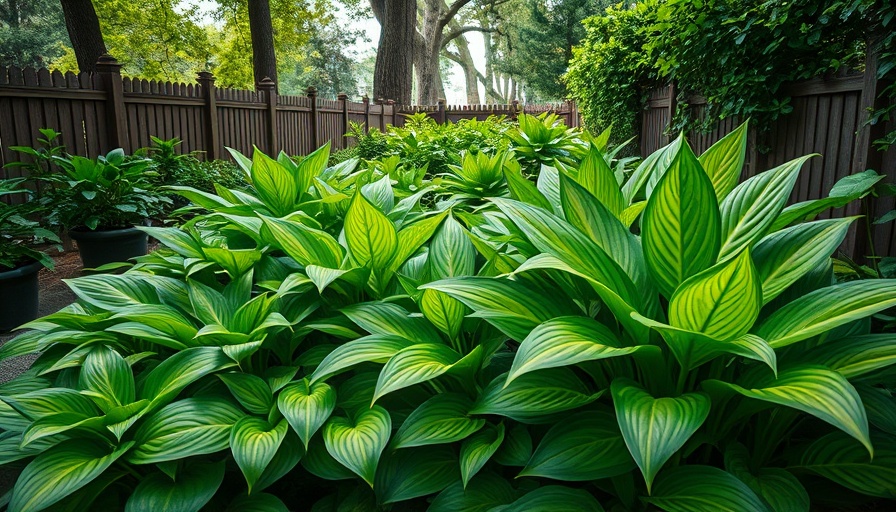
Vibrant hosta in shade garden, best shade loving plants.

Lighting Up the Shade: Transform Your Garden Spaces

Gardens can often be an oasis, but for those with shaded spaces, knowing what plants to choose can be daunting. Many homeowners find themselves eyeing those sun-soaked flower beds while their shaded corners appear lifeless. Yet, the reality is that shady areas can thrive just as brilliantly with the right selection of plants. By embracing nature's palette of foliage that prefers, even thrives in less sunlight, you can transform these darker corners into stunning displays of greenery and color.

The Classics: Hostas and Ferns

What better place to start than with classics? Hostas, often dubbed the quintessential shade plant, come in a mesmerizing range of colors and styles—from lush greens to striking blues. They provide bold textures and can turn a simple garden into an enchanting scene. Pair them with ferns, which contribute a wild, organic feel to your space with their cascading fronds. Their compatibility makes them a perfect duo, benefitting from the same shady conditions while enhancing each other's beauty.

Bringing Drama with Hydrangeas and Caladiums

For those who crave a splash of color, hydrangeas are a must-have. Their immense blooms not only brighten shaded spaces but add contrast with their varied hues of blue and pink. Whether you're planting them against a wall or around large trunks, they can serve as anchor points in your garden design.

Additionally, consider caladiums for an explosion of color that demands attention. Their heart-shaped leaves display artistic patterns of pinks, reds, and whites, making them ideal for pots or as accents by pathways. These dramatic foliage plants can provide color where other flowering plants may falter.

Unique Ground Cover Options: Foamflower and Lungwort

Ground cover plants like foamflower and lungwort can play an integral role in your shade garden's foundation. Foamflower offers a lush, dense carpet that's perfect for difficult-to-plant areas while its delicate blooms in spring add a touch of elegance. Conversely, lungwort brings intrigue with its spotted leaves and early-season flowers, setting itself apart with unique visual elements that entice viewers. Both of these options not only cover soil but also create layers of texture, which are valuable for both aesthetic appeal and maintaining soil health.

Tips for Successful Shade Planting

When planning a shade garden, it's important to understand the specific conditions of each area. Assess moisture levels, soil quality, and light exposure to choose the best plants. Shade doesn’t mean a lack of beauty; quite the opposite! Join various plant types, creating layers of foliage that differ in height and texture, from upright hostas to cascading ferns. Incorporate pots and raised beds if you're working with minimal ground space—this allows for greater versatility while maximizing the visual impact of your chosen plants.

Injecting Personality with Creativity

Don't shy away from blending bold visuals with practical planting. Utilize containers to fill in gaps with eye-catching plants that attract pollinators. Mix hardy perennials with less demanding varieties for an evolving garden that brings life through the seasons. By selecting a diversity of plants, not only do you enhance the design of your outdoor spaces, but you also create microhabitats that contribute to local biodiversity.

Conclusion: Embracing the Shade

Taking advantage of shade-loving plants doesn’t just enhance those often overlooked areas; it creates lush retreats that invite relaxation and contemplation. Whether you are a seasoned gardener or just starting your journey, incorporating these plants can lead to revitalized outdoor spaces.

So, why not take the next step? Begin planning your shade garden today—lighting up the darkness has never been easier! With the right mix of shade-loving plants, you're sure to create a haven that brightens up your home and grounds.

DIY Projects

14 Views

0 Comments

Write A Comment

*
*
Please complete the captcha to submit your comment.
Related Posts All Posts
05.20.2026

Transform Your Home with Style Showcase 345 and the 345 Decorating Method

Update Discovering the Charm of Style Showcase 345 As summer flourishes, the excitement for revitalizing our homes echoes through the hearts of many homeowners. Style Showcase 345 not only celebrates interior creativity but also encourages a community approach to home décor, highlighting DIY projects and seasonal inspirations. Comprehensive Transformation: The Bathroom Makeover Duke Manor Farm steps forward with their stellar bathroom renovation. This transformation is a reminder that a simple update can refresh an entire space. It becomes a fusion of utility and style, emphasizing how essential personal touches can convert a mundane bathroom into a spa-like retreat. Accessible renovations resonate with many; it inspires homeowners to envision their spaces anew. Creating Beauty with Botanical Prints Town and Country Living offers insights into the trending use of botanical prints. These designs connect us with nature and introduce a lively atmosphere into our homes. Whether framed, used in upholstery, or as wallpaper, botanical elements transform any area into a serene haven, catering specifically to those seeking a touch of the outdoors inside. DIY Projects to Spark Creativity Zevy Joy introduces the DIY Beaded Garden Markers, a perfect summer project. These markers not only organize your garden but infuse a creative touch that reflects personal style. Such projects allow anyone to engage with their environment, cultivating not just plants but a sense of accomplishment. Adopting the 345 Decorating Method for Vibrant Spaces This year's innovation is the 345 decorating method. With a structure encouraging the blend of three patterns, four period styles, and five colors or textures, it opens up avenues for maximalist home decorating. As explained by Nancy Cavaliere, this method fosters creativity, encouraging homeowners to mix elements they love without restraint. This new framework can be particularly inspiring for those who thrive on the idea of expressing their personalities through their living spaces. Understanding the Balance: Opinions from Designers While feedback on the 345 method is varied, it is essential for homeowners to see it as a framework rather than a strict guideline. Interior designers appreciate the importance of texture and layering in creating cohesive designs, which can fundamentally change how we approach our home aesthetics. The mix-and-match approach of this method proves beneficial, especially for those who feel hesitant about bold colors or patterns. Bringing Sustainability into Home Décor As style trends evolve, sustainability remains a focus. With Summer annuals highlighted by Southern Hospitality, the call to beautifying our homes should dovetail with environmentally conscious practices. Homeowners are now looking at ways to incorporate sustainable plants and decor into their spaces, establishing gardens that flourish with minimal care while being visually appealing. Connecting Through Home Design In summary, Style Showcase 345 presents a rich tapestry of ideas that resonate with homeowners eager to beautify their spaces while embracing community vibes. From DIY projects to sustainable practices, the articles shared encourage an engaging dialogue around home transformation, inspiring individuals to take the plunge in their own creative journeys. As we dive into the beauty of home design this summer, what innovations will you bring to your own sanctuary? Explore these ideas and let the joy of transformation reign in your spaces!

05.19.2026

Uncover the Best Perennial Flower Bed Ideas to Control Weeds

Update Transform Your Garden with Perennials That Fight Weeds If you’re like many homeowners, maintaining a pristine garden can often feel like a never-ending battle against weeds. But what if there was a way to reduce that struggle significantly? By utilizing smart landscaping strategies with perennial plants, you can effectively crowd out weeds while enhancing your garden's beauty. In this article, we present the best perennial flower bed ideas that not only fill and enrich your garden but also create natural barriers against unwanted growth. Understanding the Benefit of Perennial Flower Beds Perennials are more than just vibrant yearly visitors; they play a critical role in the health of any garden. By providing a dense cover of foliage, they can stifle weed growth and reduce the need for constant maintenance. For instance, as reported in DIY Garden, selecting the right mix of flowers and planting them strategically can create a lush, colorful space that naturally inhibits weeds. A Yummy Harvest: Pollinator and Herb Gardens Now, let’s dive into specific flower bed ideas that showcase the effectiveness of perennial plants. Mixing herbs like lavender with flowering plants not only keeps your garden vibrant but also attracts beneficial insects. According to the Gardening Know How, plants such as bee balm and Black-Eyed Susans can be grouped together to form a robust pollinator garden. Layer Your Plantings to Maximize Growth and Minimize Weeds A strategy that consistently works in perennial gardening is layering. Taller plants should go toward the back of flower beds, while shorter varieties fill in the gaps in front. Such arrangements not only make the garden visually appealing but also create a natural crowding effect, giving weeds less chance to germinate. Groundcover Options: Fighting Weeds Effectively Consider groundcovers like creeping phlox, which can be utilized as living mulch. This hardy plant quickly spreads across open spaces, dramatically reducing exposure to sunlight and therefore, the chances for weeds to take hold. As highlighted in the perspectives from Preen, using ground cover plants can save significant time on weeding while still delivering a beautiful aesthetic. Time-Tested Combinations for Color and Coverage For aesthetically pleasing and functional gardens, consider classic combinations such as hostas and hydrangeas for shaded areas, which can contribute to dense planting layers that effectively block out light from reaching weed seeds. Creating a Balance: Maintenance and Future Plans While these strategies help reduce that constant struggle against weeds, a well-maintained garden requires an ongoing commitment. Educating yourself about the specific needs of your chosen plants and regularly assessing your garden will help you build an enchanting space that requires less weeding. Remember, the key lies in prevention—start early in the year by ensuring that your perennials are healthy and established before the weed season kicks off. Incorporating Actionable Tips for High-Impact Gardening As you plan your perennial flower beds, ensure your selections suit your local climate and garden conditions. For effective implementation, consider the following tips: Opt for native species that will thrive in your microclimate and provide optimal coverage. Use organic mulch and weed preventers to enhance control as your flowers grow and fill in. Invest time in preparing your soil; rich, well-draining soil keeps your plants robust and can starve weeds of the resources they need. Conclusion: Embark on Your Weed-Free Garden Adventure With the right perennials and planting strategy, gardening can be significantly less labor-intensive while still yielding lush, eye-catching results. As a call to action, take the insights shared here to design your weed-resistant flower beds today. Plant smarter, soothe your worries about weed management, and enjoy the beauty that a well-planned perennial garden can bring!

05.19.2026

Explore Perennial Flower Bed Ideas to Crowd Out Weeds in Your Garden

Update Transform Your Garden: Perennial Flower Bed Ideas to Combat Weeds For homeowners looking to enhance the beauty of their garden while minimizing maintenance chores, perennial flower beds are a practical and aesthetically pleasing solution. As homeowners, especially those earning over $100,000 annually, it’s essential not only to create a lush landscape but also to invest in plants that can crowd out weeds effectively. In this article, we’ll explore durable and beautiful perennials that will make your garden look fuller while suppressing unwanted weeds. A Strategy to Deter Weeds Weeds can take over a garden rapidly, leading to back-breaking labor for unprepared homeowners. Traditional control strategies often involve mulching or aggressive eradicating measures, but one of the most efficient methods involves choosing the right plants at the onset of your gardening journey. Certain perennials can create a natural living mulch that suppresses weed growth while adding visual appeal to your landscape. Weed-Suppressing Perennials: A Look at Top Choices Consider these impressive perennials that not only enhance garden aesthetics but also prevent weed proliferation: Creeping Thyme: This herbaceous perennial thrives in sunny areas, producing a dense mat that effectively blocks sunlight from reaching weed seeds. Its fragrant flowers also attract pollinators. Hardy Geranium: Renowned for its durability and low maintenance, this plant blooms abundantly, forming a thick canopy that leaves no room for weeds to establish themselves. Euphorbia: With its unique texture and vibrant foliage, euphorbia is another standout. It responds well to various conditions around the garden, serving as an impactful weed barrier. Creeping Phlox: Fast-growing and eye-catching, creeping phlox creates a colorful carpet of blooms that further suppresses weeds by filling planting spaces. Lady’s Mantle: This visually appealing perennial features wide leaves that catch dew and create a lush ground cover, blocking sunlight from weeds effectively. Diverse Perspectives on Perennial Planting As spring approaches, understanding the right time to plant these perennials becomes crucial. Experts recommend early spring, as this allows roots to establish before the harsh summer heat. Mulching and early soil amendments can prepare your beds for even better results. Utilizing a mix of perennial flowers ensures that your garden remains visually pleasing throughout the seasons while blocking weeds. This approach not only reduces maintenance but enables plants to thrive in various soil conditions and climates. For instance, combinations of creeping thyme with lavender not only keep weeds at bay but create a charming Mediterranean feel. Future Predictions for Gardening Enthusiasts With the rising interest in sustainable practices and maintaining a low-maintenance garden, homeowners can expect to see an increase in hybrid perennial varieties designed especially for weed suppression. These developments will empower gardening enthusiasts to cultivate exquisite outdoor spaces with enhanced efficiency. Actionable Insights for Your Garden To create a flourishing perennial garden that combats weeds, take immediate action by establishing a diverse mixture of these hardy plants. Regular maintenance includes proper watering, seasonal mulching, and trimming spent flowers to promote new growth. By incorporating these flowering perennials into your garden, you can create a vibrant, full landscape that not only reduces weeding chores but also highlights your property’s natural beauty. Conclusion: Cultivating a Vibrant, Weed-Free Landscape Investing in perennial flower beds is a smart move for any homeowner wishing to achieve a balance between aesthetics and functionality. These plants provide not only beauty but also serve as a natural defense against weeds, paving the way for a summer filled with vibrant blooms and minimal maintenance. If you're eager to start this journey, begin planning your perennial selections today!

Terms of Service

Privacy Policy

Core Modal Title

Sorry, no results found

You Might Find These Articles Interesting

T
Please Check Your Email
We Will Be Following Up Shortly
*
*
*