
cropper
update
Atlanta Home and Garden Insider
update
  • Home
  • Categories
    • DIY Projects
    • Sustainable Practices
    • Design Trends
    • Landscaping
    • Lawn and Garden Care
  • Smart Home Tech
  • Interior Design Tips
  • Home Maintenance
April 15.2025
2 Minutes Read

Discover 27 Tiny Backyard Landscaping Ideas for Inspiring Transformations

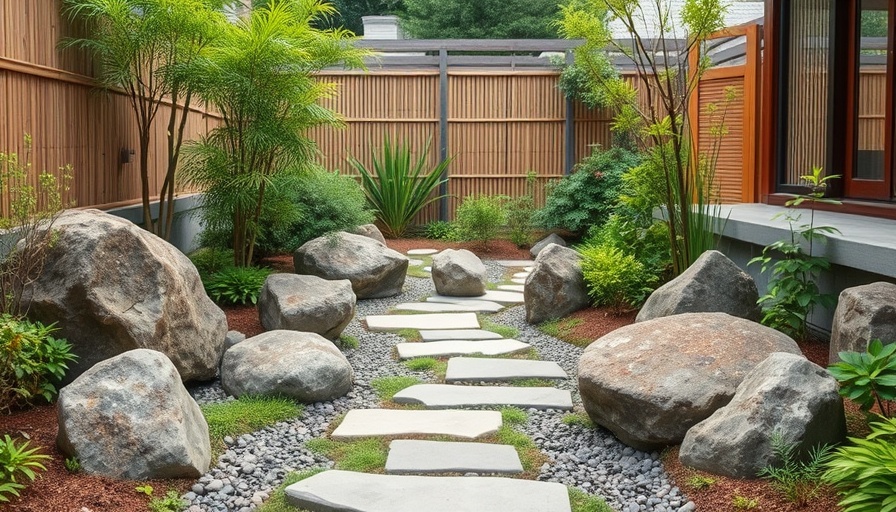
Serene Zen rock garden design for tiny backyard landscaping ideas.

Transform Your Tiny Backyard: Embrace Creativity

Small gardens may seem restrictive, but they offer a canvas for creativity and innovation. Whether you're an urban homeowner or just want to maximize a compact outdoor area, these 27 tiny backyard landscaping ideas can turn your limited space into an inviting retreat.

Minimalist Approaches: Less is More

In modern landscaping, simplicity reigns supreme. Begin with a Zen rock garden. This low-maintenance idea combines gravel, sculptural stones, and drought-resistant plants to create a tranquil atmosphere. Perfect for those seeking serenity in their outdoor escape.

Consider installing sleek decking with built-in seating. This solution saves space and reduces clutter, making it ideal for entertaining. Pair your deck with geometric paver paths to enhance structural aesthetics while keeping movement fluid and organized in your tight space.

Charming Cottagecore Designs

If you're leaning towards a more rustic appeal, implement a windy stepping stone path. Such paths create a sense of mystery and enhance the garden's depth, even in tiny backyards. Add fairy garden elements with miniature accessories that spark joy and whimsy.

For that quintessential cottage charm, cultivate a wildflower border. Simple flowers like daisies and lavender can flourish even in small patches, spilling over paths to create a vibrant visual. Pairing these beauties with a rustic water feature brings a soothing auditory experience to your tiny garden.

Tropical Inspirations for an Urban Escape

Create a vacation vibe at home with bamboo fencing, perfect for maintaining privacy while establishing a resort-like feel. This element effectively zones off areas for relaxation and reflection.

Pot up some palm trees in large containers to infuse your backyard with tropical flair. Easy to move around, they can adapt to seasonal changes and bring an evergreen essence to your outdoor space. If you have sturdy trees, a hammock hideaway embraces the notion of relaxation in limited space—perfect for napping or enjoying a good book.

Future of Backyard Landscaping: Trends to Watch

As we move into a more conscious era of design, the focus will emphasize sustainability. Homeowners are increasingly looking towards eco-friendly materials and methods that reflect their values. Integrating plants that require less water, like succulents or native species, remains a growing trend.

Moreover, the importance of outdoor living spaces—such as fire pits surrounded by lush foliage—will overshadow traditional garden views. Such designs create not only a stunning visual element but also enhance social interaction within the compact space available.

Take Action to Elevate Your Backyard Experience

By implementing these tiny backyard landscaping ideas, you can create an inviting and functional outdoor space that suits your lifestyle. Your new garden will not only enhance your property’s appeal but will also provide a personal sanctuary that reflects your creativity.

If you’re ready to transform your tiny backyard into your dream space, start planning now! Explore materials, sketch layouts, and think about what elements will bring joy to your outdoor experience.

DIY Projects

24 Views

0 Comments

Write A Comment

*
*
Please complete the captcha to submit your comment.
Related Posts All Posts
05.17.2026

Discover the Transformative Health Benefits of Rebounding for Adults

Update Why I Chose a Rebounder: A Personal Journey As a homeowner navigating the ages between 40 and 65, I’m always on the lookout for engaging ways to incorporate fitness into my routine. Enter the rebounder—a mini trampoline that not only promises a fun workout but packs a punch when it comes to health benefits. I’ll take you through my journey of discovering why this piece of equipment now occupies a cherished corner of my living room. Health Benefits of Rebounding One of the most appealing aspects of rebounding is its surprising health benefits. It's more than just bouncing; studies suggest that this activity improves cardiovascular health, boosts endurance, and enhances muscle strength, especially in the legs and core. A recent report from the Cleveland Clinic outlines how a mere 20-minute session on a rebounder can increase heart health significantly, reducing resting heart rates and cholesterol levels. Moreover, rebounding aids in improving bone density, which is essential as we age. Given that many in my age group face bone-related challenges, engaging in this low-impact exercise felt like a smart investment. A Fun Alternative to Traditional Workouts Incorporating a rebounder into my fitness routine was exhilarating! The sheer joy of jumping up and down reignited my enthusiasm for exercise. Unlike running or cycling, rebounding has a fun factor that makes working out feel less like a chore. According to research, it engages multiple muscle groups simultaneously and may even stimulate the lymphatic system, helping the body detoxify. I often find myself smiling while I bounce—it's an incredible mood booster! The Low-Impact Nature of Rebounding A significant advantage of using a rebounder is that it is low-impact—gentler on the joints compared to traditional workouts like running. This is crucial for those of us who might have lingering aches and pains. Rebounding allows you to get cardiovascular exercise without the jarring impact that comes from jogging or aerobics. Engaging the Community: Group Classes and Shared Experience While I initially purchased my rebounder for solo workouts, I soon discovered community classes in my area. Many local gyms offer rebounding classes where participants come together to enjoy group workouts. Watching others bounce alongside me, sharing laughter and encouragement, has made my fitness journey far more enjoyable. Classes also provide structured workouts that keep me motivated. I’ve learned different routines that incorporate varied moves, ensuring a comprehensive full-body workout. Plus, the camaraderie with fellow fitness enthusiasts is an unexpected bonus! Three Essentials for Rebounding Success If you're considering adding a rebounder to your home, here are three key tips that I’ve learned through my journey: Safety First: Ensure your rebounder is stable and suited for adult use. A model with a handlebar is beneficial for beginners. Warm-Up and Cool Down: Just like any physical activity, warm-ups help prevent injuries, and cool-downs help your body readjust. Space Matters: Choose an optimal spot in your home—ideally near a wall for support, yet with enough room to freely jump around. Conclusion: The Journey Continues Purchasing a rebounder wasn’t just a fitness decision; it became a lifestyle choice. The physical benefits, combined with the emotional highs of jumping, have profoundly impacted my overall well-being. I encourage anyone considering a new fitness venture, especially those of us in midlife, to explore the joy of rebounding. It's never too late to bounce your way to a healthier life! If you’re intrigued and want to learn more about how to begin your journey with rebounding, take the leap and integrate this fun workout into your routine today!

05.16.2026

Innovative Shade Garden Ideas to Stop Weeds Naturally and Effortlessly

Update Stop Weeds Effortlessly: Embrace Shade Garden SolutionsMaintaining a beautiful garden can be a stressful endeavor, especially when facing the perennial nuisance of weeds. Homeowners often dread the laborious task of weeding, which can feel never-ending. However, you can embrace nature's wisdom by using strategically chosen shade-loving plants to naturally suppress weeds while enhancing your garden's aesthetic appeal. This article explores innovative shade garden ideas that help stop weeds without extra work.Creating a Weeding-Free Haven with Ground CoversGround cover plants are your allies in the battle against weeds. These low-maintenance perennials cover the ground and can effectively outcompete unwanted plants. For instance, varieties like ajuga (Ajuga reptans) are not only attractive with their diverse foliage colors, but they also rapidly spread to form a dense mat, thus stifling weed growth. As highlighted in Fine Gardening, these hardy plants thrive in partial to full shade, making them perfect for gardens with less sunlight.Diverse Plant Selection: Aesthetic and FunctionalVariety and function go hand in hand in a thriving shade garden. Plants like hepatica and periwinkle serve dual purposes, offering both visual delight and practical benefits. These perennials not only provide colorful blooms but also develop extensive root systems that prevent weeds from gaining a foothold. Incorporating these plants creates a lush, appealing landscape that requires minimal upkeep.Understanding Light Conditions for Optimal GrowthWhen selecting plants for your shade garden, understanding light requirements is crucial. Shade-loving plants thrive in areas with various light conditions, ranging from full shade to dappled sunlight. For a well-rounded garden, consider adding species such as hostas, known for their robust foliage and vibrant blooms. According to findings presented by The Spruce, these plants not only endure low-light exposure but also require less water compared to sun-loving varieties, saving you time and resources.Weed Suppression Through Foliage DensityHigh-density plantings can create a natural defense against weeds. By selecting plants that grow densely, like fern varieties or the increasingly popular bleeding heart, you can suppress weeds while enjoying a rich tapestry of foliage and blooms. These plants thrive in shaded areas and excel at blocking sunlight from reaching weed seeds, drastically reducing their growth potential.Future Trends: Eco-Friendly Green SpacesThe trend in landscaping is moving towards more sustainable practices, and shade gardening is increasingly recognized in this context. By choosing native shade plants, homeowners can not only reduce their environmental footprint but also attract local wildlife. Native plants often require less water and maintenance, and websites like Fine Gardening showcase various selections that enhance biodiversity in your garden. This sustainable approach aligns with current environmental initiatives and encourages homeowners to rethink garden management.Actionable Insights: Design Strategies for SuccessImplementing these strategies starts with planning your garden layout. Begin by identifying shady spots in your yard and selecting plants that suit each specific lighting condition. Using a mix of ground covers, perennials, and ornamental grasses can help you create layers in your garden that not only beautify your outdoor space but also naturally combat weed growth. It's worth investing in high-quality plants that promise longevity and low maintenance, as they can save you time and enhance your property’s value.With these engaging techniques and plant selections, you can transform your garden into a lush, maintenance-free sanctuary. Operating in harmony with nature opens doors to beautiful, weed-free spaces that thrive year after year. Discover the satisfaction of gardening without the back-breaking work and embrace the restorative power of shade gardens.

05.15.2026

Transform Your Garden with Cheap Weed Control Ideas That Work

Update Discover Affordable Garden Solutions that Keep Weeds at Bay In the quest for a pristine garden without a hefty price tag, many homeowners dream of a picturesque outdoor space that remains weed-free without relying on costly chemicals or invasive practices. Fortunately, cheap garden ideas for weed control can transform your backyard into a vibrant and manageable haven while keeping those pesky weeds at bay. Mulched Pathways: A Cozy, Effective Solution One of the best low-budget solutions involves using mulch. By incorporating a layer of mulch around pathways and flower beds—such as bark, straw, or wood chips—you not only create a visually appealing garden but also block sunlight necessary for weed growth. Mulch retains moisture, adds nutrients as it decomposes, and minimizes the need for frequent maintenance, making it a key player in the fight against weeds. Gravel Patios and Raised Garden Beds: A Modern Touch A gravel patio can be an aesthetically pleasing, low-maintenance addition to your outdoor area. Using gravel paired with timber raised garden beds provides a rustic yet modern look while significantly deterring weeds. The space is easy to maintain and reduces the likelihood of grass encroaching into your garden. Edging around the gravel also enhances the overall neatness of your yard, curbing weed invasion. Cardboard Sheet Mulching: Simple and Effective Another innovative method for natural weed control is cardboard sheet mulching. This method involves laying down layers of cardboard, which smother weeds and improve soil health over time. In combination with a layer of mulch or compost, cardboard can create a no-dig garden that's both functional and economical—inexpensive or even cost-free. Ground Cover Plants: Nature’s Shield Utilizing ground cover plants is an organic way to fill bare soil and prevent weeds. Varieties such as creeping thyme or clover spread out and form a living blanket, which outcompetes unwanted weeds for resources. Once established, these ground covers require minimal care, bringing beauty and biodiversity to the garden. DIY Stone Edging: Transform Your Borders Adding stone edging is a straightforward DIY project that beautifies your flower beds while serving as a barrier against weeds. Using reclaimed bricks or inexpensive stones not only elevates the garden's visual appeal but establishes a clear division between garden and lawn areas, further deterring invasive plants. Wood Chip Walkways: Rustic Charm with a Purpose Wood chip pathways lend a rustic, inviting quality to gardens while managing weed growth effectively. These paths are easy to navigate, even when the soil is muddy, and can be sourced at little to no cost from local tree services. Their thickness prevents weed growth, allowing you to enjoy your garden without constant vigilance. Embracing Weeds: A Different Perspective Interestingly, some weeds can actually have beneficial uses or provide foraging opportunities. For instance, dandelions can be harvested for their greens, while clover enriches the soil with nitrogen. This perspective encourages a more harmonious relationship with all plants, promoting biodiversity and potentially enriching the garden ecosystem. Conclusion: Time to Get Gardening! Using these budget-conscious, natural methods for weed control will not only beautify your garden but also reduce ongoing maintenance efforts. A meticulous approach, employing techniques like mulching, ground covers, and DIY projects, can lead to a thriving, weed-resistant outdoor space that maximizes enjoyment. Don’t let weeds dictate your garden experience—start implementing these strategies today! For more stellar tips, dive into all that your garden can offer!

Terms of Service

Privacy Policy

Core Modal Title

Sorry, no results found

You Might Find These Articles Interesting

T
Please Check Your Email
We Will Be Following Up Shortly
*
*
*