
cropper
update
Atlanta Home and Garden Insider
update
  • Home
  • Categories
    • DIY Projects
    • Sustainable Practices
    • Design Trends
    • Landscaping
    • Lawn and Garden Care
  • Smart Home Tech
  • Interior Design Tips
  • Home Maintenance
March 25.2025
3 Minutes Read

Connecting with Nature: The Importance of Caring for Your Apple Tree

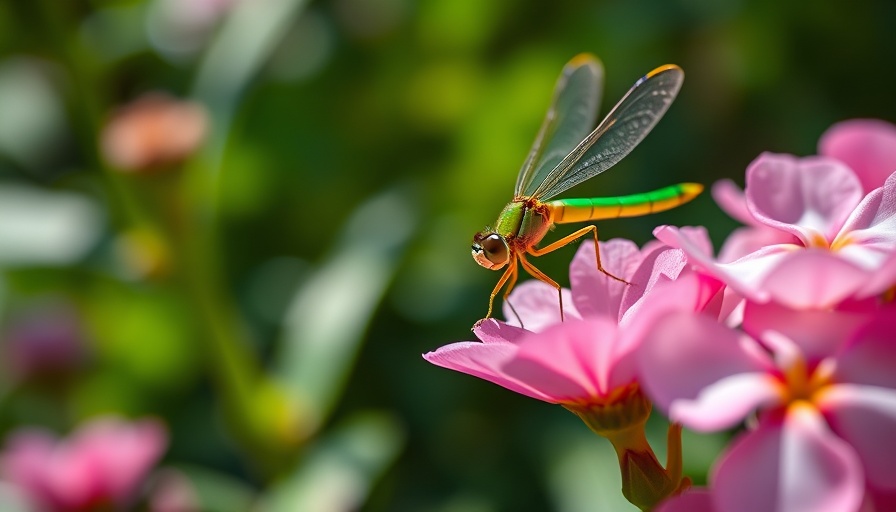
Damselfly perched on a blooming flower in a garden.

The Heartfelt Connection Between Nature and Humanity

The relationship we maintain with our natural environment is intricately woven into our daily lives, influencing our mental and emotional wellbeing. As homeowners in a modern world increasingly dominated by technology, the importance of nurturing nature right outside our doors cannot be overstated. Amy Campion's article about the apple tree next door exemplifies how a simple tree can evoke a multitude of emotions, memories, and deep connections to both place and community.

Impacts of Neglected Nature on Community and Wildlife

When trees, like the apple tree discussed by Campion, suffer from improper pruning or are lost to development, the repercussions ripple throughout the ecosystem. They not only affect the immediate community's aesthetic but also disrupt habitats for countless creatures. As expressed in various poignant responses to Campion's article, the loss of a beloved tree can evoke strong feelings of sadness, anger, and frustration among neighbors who witnessed the changes. The displacement of wildlife leads to increased competition for limited resources, affecting everything from pollinator populations to local biodiversity.

Practical Tips for Caring for Your Apple Tree

Caring for an apple tree goes beyond just good intentions; it requires dedication and knowledge. From pruning to pest management, here are some tips to maintain a productive apple tree:

  • Prune Properly: Focus on removing dead or diseased branches while ensuring you do not hack away at the tree's core structure, as described by an individual sharing their experience with an old apple tree. Make pruning cuts near the trunk to encourage healthy growth.
  • Control Pests Naturally: Emphasize the use of natural pest deterrents, such as insecticidal soap or neem oil, to mitigate health risks to pollinators.
  • Encourage Biodiversity: Plant companion crops and a variety of native plants around your tree to help restore balance in your yard's ecosystem.
This proactive approach not only enhances the health of your garden but creates an inviting environment for wildlife.

The Emotional Toll of Environmental Neglect

The narratives around tree-related experiences shared on Campion's blog touch upon a broader emotional and psychological toll that environmental neglect can take. Trees often symbolize endurance and resilience, but when they are mistreated or removed, the emotional consequences can mirror that of losing a cherished friend. One respondent recalled their frustration upon seeing once-thriving trees cut down, a choice driven by profit at the expense of wildlife and community stability.

Future Trends: Environmental Stewardship and Home Design

As society grapples with the implications of climate change, the push for environmental stewardship continues to gain momentum. Homeowners are increasingly favoring designs that integrate sustainable practices, such as planting native trees and creating habitats for wildlife. The Resilient Landscapes trend emphasizes designing homes and gardens to benefit both humans and the ecosystem while encouraging community engagement through green spaces.

Take Action: Foster Your Connection to Nature

In a world of bustling activity and technological distractions, embracing the natural elements that surround us brings a myriad of benefits. Many homeowners in the $100,000+ income bracket are seeking ways to refine their landscapes into havens of tranquility and biodiversity. Start small: plant a native apple tree, promote pollinator-friendly plants, and engage with neighbors to create a community gardening project. Each little step contributes to more harmonious living with nature.

Fostering a connection with nature is not just about aesthetics; it's an investment in our health and the wellbeing of future generations. By nurturing not only our gardens but also our communities, we can reclaim the beauty of our natural surroundings and ensure that we live harmoniously with all living beings.

23 Views

0 Comments

Write A Comment

*
*
Please complete the captcha to submit your comment.
Related Posts All Posts
05.17.2026

Discover the Transformative Health Benefits of Rebounding for Adults

Update Why I Chose a Rebounder: A Personal Journey As a homeowner navigating the ages between 40 and 65, I’m always on the lookout for engaging ways to incorporate fitness into my routine. Enter the rebounder—a mini trampoline that not only promises a fun workout but packs a punch when it comes to health benefits. I’ll take you through my journey of discovering why this piece of equipment now occupies a cherished corner of my living room. Health Benefits of Rebounding One of the most appealing aspects of rebounding is its surprising health benefits. It's more than just bouncing; studies suggest that this activity improves cardiovascular health, boosts endurance, and enhances muscle strength, especially in the legs and core. A recent report from the Cleveland Clinic outlines how a mere 20-minute session on a rebounder can increase heart health significantly, reducing resting heart rates and cholesterol levels. Moreover, rebounding aids in improving bone density, which is essential as we age. Given that many in my age group face bone-related challenges, engaging in this low-impact exercise felt like a smart investment. A Fun Alternative to Traditional Workouts Incorporating a rebounder into my fitness routine was exhilarating! The sheer joy of jumping up and down reignited my enthusiasm for exercise. Unlike running or cycling, rebounding has a fun factor that makes working out feel less like a chore. According to research, it engages multiple muscle groups simultaneously and may even stimulate the lymphatic system, helping the body detoxify. I often find myself smiling while I bounce—it's an incredible mood booster! The Low-Impact Nature of Rebounding A significant advantage of using a rebounder is that it is low-impact—gentler on the joints compared to traditional workouts like running. This is crucial for those of us who might have lingering aches and pains. Rebounding allows you to get cardiovascular exercise without the jarring impact that comes from jogging or aerobics. Engaging the Community: Group Classes and Shared Experience While I initially purchased my rebounder for solo workouts, I soon discovered community classes in my area. Many local gyms offer rebounding classes where participants come together to enjoy group workouts. Watching others bounce alongside me, sharing laughter and encouragement, has made my fitness journey far more enjoyable. Classes also provide structured workouts that keep me motivated. I’ve learned different routines that incorporate varied moves, ensuring a comprehensive full-body workout. Plus, the camaraderie with fellow fitness enthusiasts is an unexpected bonus! Three Essentials for Rebounding Success If you're considering adding a rebounder to your home, here are three key tips that I’ve learned through my journey: Safety First: Ensure your rebounder is stable and suited for adult use. A model with a handlebar is beneficial for beginners. Warm-Up and Cool Down: Just like any physical activity, warm-ups help prevent injuries, and cool-downs help your body readjust. Space Matters: Choose an optimal spot in your home—ideally near a wall for support, yet with enough room to freely jump around. Conclusion: The Journey Continues Purchasing a rebounder wasn’t just a fitness decision; it became a lifestyle choice. The physical benefits, combined with the emotional highs of jumping, have profoundly impacted my overall well-being. I encourage anyone considering a new fitness venture, especially those of us in midlife, to explore the joy of rebounding. It's never too late to bounce your way to a healthier life! If you’re intrigued and want to learn more about how to begin your journey with rebounding, take the leap and integrate this fun workout into your routine today!

05.16.2026

Innovative Shade Garden Ideas to Stop Weeds Naturally and Effortlessly

Update Stop Weeds Effortlessly: Embrace Shade Garden SolutionsMaintaining a beautiful garden can be a stressful endeavor, especially when facing the perennial nuisance of weeds. Homeowners often dread the laborious task of weeding, which can feel never-ending. However, you can embrace nature's wisdom by using strategically chosen shade-loving plants to naturally suppress weeds while enhancing your garden's aesthetic appeal. This article explores innovative shade garden ideas that help stop weeds without extra work.Creating a Weeding-Free Haven with Ground CoversGround cover plants are your allies in the battle against weeds. These low-maintenance perennials cover the ground and can effectively outcompete unwanted plants. For instance, varieties like ajuga (Ajuga reptans) are not only attractive with their diverse foliage colors, but they also rapidly spread to form a dense mat, thus stifling weed growth. As highlighted in Fine Gardening, these hardy plants thrive in partial to full shade, making them perfect for gardens with less sunlight.Diverse Plant Selection: Aesthetic and FunctionalVariety and function go hand in hand in a thriving shade garden. Plants like hepatica and periwinkle serve dual purposes, offering both visual delight and practical benefits. These perennials not only provide colorful blooms but also develop extensive root systems that prevent weeds from gaining a foothold. Incorporating these plants creates a lush, appealing landscape that requires minimal upkeep.Understanding Light Conditions for Optimal GrowthWhen selecting plants for your shade garden, understanding light requirements is crucial. Shade-loving plants thrive in areas with various light conditions, ranging from full shade to dappled sunlight. For a well-rounded garden, consider adding species such as hostas, known for their robust foliage and vibrant blooms. According to findings presented by The Spruce, these plants not only endure low-light exposure but also require less water compared to sun-loving varieties, saving you time and resources.Weed Suppression Through Foliage DensityHigh-density plantings can create a natural defense against weeds. By selecting plants that grow densely, like fern varieties or the increasingly popular bleeding heart, you can suppress weeds while enjoying a rich tapestry of foliage and blooms. These plants thrive in shaded areas and excel at blocking sunlight from reaching weed seeds, drastically reducing their growth potential.Future Trends: Eco-Friendly Green SpacesThe trend in landscaping is moving towards more sustainable practices, and shade gardening is increasingly recognized in this context. By choosing native shade plants, homeowners can not only reduce their environmental footprint but also attract local wildlife. Native plants often require less water and maintenance, and websites like Fine Gardening showcase various selections that enhance biodiversity in your garden. This sustainable approach aligns with current environmental initiatives and encourages homeowners to rethink garden management.Actionable Insights: Design Strategies for SuccessImplementing these strategies starts with planning your garden layout. Begin by identifying shady spots in your yard and selecting plants that suit each specific lighting condition. Using a mix of ground covers, perennials, and ornamental grasses can help you create layers in your garden that not only beautify your outdoor space but also naturally combat weed growth. It's worth investing in high-quality plants that promise longevity and low maintenance, as they can save you time and enhance your property’s value.With these engaging techniques and plant selections, you can transform your garden into a lush, maintenance-free sanctuary. Operating in harmony with nature opens doors to beautiful, weed-free spaces that thrive year after year. Discover the satisfaction of gardening without the back-breaking work and embrace the restorative power of shade gardens.

05.16.2026

Discover the Allure of British Cottage Gardens in Your Own Yard

Update Unveiling the Charm of British Cottage Gardens The allure of British cottage gardens lies in their enchanting blend of flowers and foliage, creating a picture-perfect vision that blends perfectly with country life. As observed in Clare Foggett’s new book, Beauty and Abundance: British Cottage Gardens, these gardens thrive on an abundance of plants that resonate with the historical context of British horticulture. Homeowners across the UK are embracing this trend as a way to connect with nature and cultivate beauty in their outdoor spaces. What Defines a Cottage Garden? Many gardening enthusiasts find themselves pondering, “What truly defines a cottage garden?” Clare Foggett's insights provide clarity. The essence of a cottage garden is not merely in the type of structure but in the density of planting. According to her, as long as plants account for most of the garden's area—beyond hard landscaping and lawn—you can confidently claim to have a cottage garden. The Great Dixter Barn Garden exemplifies this, bursting with flora on every conceivable surface, inviting visitors to immerse themselves in a sea of vibrant life. Key Plants to Create Your Cottage Garden To evoke that iconic cottage garden feel, specific plants are essential. Roses, cornerstones of this garden style, are often complemented by peonies, lilacs, and foxgloves, combining old-fashioned charm with vibrant colors. Self-seeding plants, too, play a crucial role; they lend a sense of carefree beauty, sprouting in the most delightful, unexpected places. Notable self-seeders featured in the book include honesty, sweet rocket, and alchemilla mollis, each adding character and ease of maintenance. Myths about Cottage Gardens—Fact or Fiction? One persistent myth surrounding cottage gardens is that they only belong beside quaint English cottages. Foggett dispels this notion, pointing out that the garden style can beautifully grace any contemporary home, even urban settings. It’s all about planting density and the right ambience—the key ingredients for a cottage garden are an abundance of blooms and a relaxed atmosphere, whether you’re in a leafy urban enclave or the picturesque countryside. Achieving Balance: Order Amidst Abundance The informal style of cottage gardens can sometimes verge on chaos, raising concerns about maintaining order. Clare suggests incorporating structural elements like clipped topiary to create visual focal points. This delicate balance of wildness juxtaposed with regimented planting can elevate your garden's allure without sacrificing its natural charm. The Role of Hard Landscaping While plants take center stage, hard landscaping complements the overall aesthetic of a cottage garden. Choosing materials that feel aged and rustic—like stone pavers or reclaimed bricks—can enhance the casual elegance of the garden. Clare emphasizes that the reality is often a mix of plants interspersed along paths, allowing the garden to merge seamlessly with nature instead of appearing stark against it. Maintenance: A Commitment to Abundance Gardening aficionados may worry that the lush promise of a British cottage garden comes with high maintenance. Clare acknowledges that while the featured gardens in her book are not low maintenance, the maturity of perennial plants can reduce labor significantly over time. A garden that’s rich with established flora requires less weeding and empowers the plants to support one another, a practice that celebrates the essence of cottage gardening. Conclusion: Cultivating Generosity in Your Garden The enchanting world of British cottage gardens offers a wealth of inspiration for homeowners wishing to cultivate their green spaces. Clare Foggett's Beauty and Abundance serves as a perfect guide, revealing the potential of creating a garden that flourishes with vibrant plant life and charming structure. Whether your garden is large or compact, simple adaptations can birth a delightful haven that enhances the beauty of your home. If you’re yearning for abundant planting and a sense of relaxed beauty in your garden, consider embracing the cottage garden style. Explore Clare's book further and discover practical insights for creating your unique version of this abundant escape.

Terms of Service

Privacy Policy

Core Modal Title

Sorry, no results found

You Might Find These Articles Interesting

T
Please Check Your Email
We Will Be Following Up Shortly
*
*
*