
Add Row
Add Element
cropper
update
Atlanta Home Garden Insider
update
Add Element
  • Home
  • Categories
    • DIY Projects
    • Sustainable Practices
    • Design Trends
    • Landscaping
    • Lawn and Garden Care
  • Smart Home Tech
  • Interior Design Tips
  • Home Maintenance
March 25.2025
2 Minutes Read

12 Proven Ideas to Effectively Change Your Garden Space

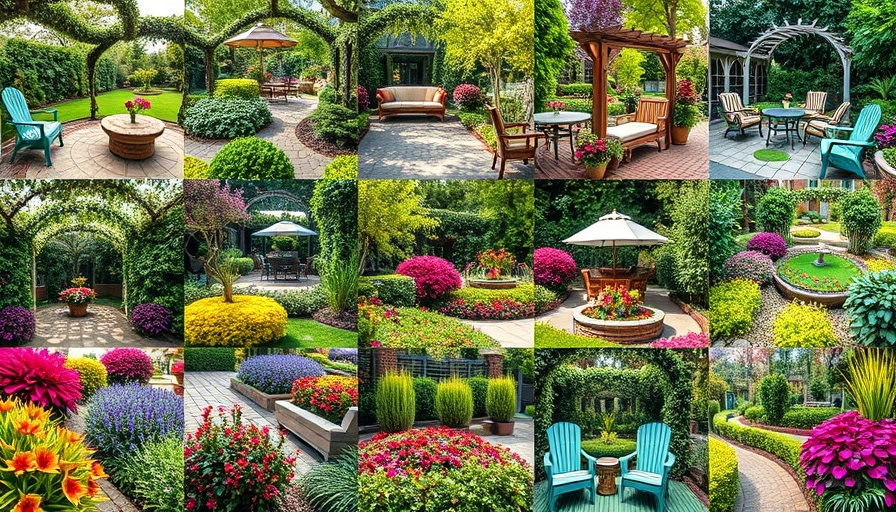
Vibrant garden transformation ideas with seating and foliage

Transform Your Outdoor Space: Ideas that Truly Make an Impact

Your garden holds untapped potential, regardless of its size. Whether you’re contending with a small patio or a sprawling backyard, there are innovative solutions that can elevate your outdoor space.

Assessing Your Garden for Effective Design

To make impactful changes, start with a comprehensive evaluation. This means considering your personal needs: Do you require space for entertaining? Are your children playing outside? Have your storage needs changed? Each element will guide your redesign.

Next, step inside your home and visualize what you'd like to see from every window. A carefully placed sculpture or vibrant flower border could greatly enhance your view. Take note of how you navigate your garden; turning frequent routes into defined paths can create a more purposeful layout.

Reigniting 'Dead Zones': Innovative Space Utilization

Every inch counts, especially in smaller gardens. Identifying and addressing 'dead zones' is critical. These areas, often overlooked, can either become storage spaces for clutter or remain unused. With some creativity, you can transform them into functional spots. Consulting with experts like garden designer Pollyanna Wilkinson can illuminate how to maximize these areas. She recommends using tools like Google Earth to draw accurate dimensions and visualize adjustments before implementation.

Consider Light and Shadow: The Sun's Role in Garden Design

Your garden's exposure to sunlight dramatically affects plant selection and seating arrangement. Design your space by marking sunny and shaded areas—those with more than six hours of sunlight versus those receiving just three to six. This can inform your choices of plants and locations for outdoor furniture, ensuring a harmonious and functional space.

Investing in Quality Plants and Features

As you curate your garden’s new look, consider investing in solid features and resilient plants that thrive in your climate. This can include durable benches, eye-catching planters, or even a carefully positioned water feature that attracts birds and adds tranquility.

Incorporating sustainable practices in your redesign not only adds aesthetic value but supports ecological diversity. Because your garden's transformation needn’t be solely about beauty; it's also a chance to enhance your local environment.

Implementing Technology: Smart Gardens for Modern Homeowners

Modern technology is at your fingertips, offering solutions that streamline maintenance and monitoring. Automated irrigation systems can save time, while smart gardens enable you to control lighting and watering through mobile apps. Understanding these innovations can mean less hassle and more joy in your gardening journey.

Conclusion: Your Journey Awaits

As you plan to change your garden, remember that each decision should harmonize with your lifestyle and desires. The journey of transforming your outdoor space is an exciting venture that encourages creativity and personal expression. With thoughtful planning and the right insights, your garden can be more than just a patch of grass—it can be a vibrant extension of your home and lifestyle.

Sustainable Practices

9 Views

0 Comments

Write A Comment

*
*
Related Posts All Posts
11.09.2025

Avoid These Big Garden Design Mistakes That Ruin Outdoor Spaces

Update Understanding Common Garden Design Mistakes When it comes to garden design, the insights from leading experts can transform your outdoor space. Renowned garden designers James Alexander-Sinclair and Joe Swift recently took a deep dive into the most common pitfalls faced by amateurs in garden design. As they discussed at Horatio's Garden in Salisbury—a charity dedicated to creating tranquil spaces for spinal injury patients—the conversation revealed a fundamental yet often overlooked advice: the significance of selecting the right garden furniture. A Pitfall More Common Than You Think Both designers emphasized that the biggest design blunder often stems from clients disregarding the importance of furniture in garden aesthetics. Sinclair pointedly states, "If you take one thing away from this conversation, it’s think about your garden furniture." Investing in low-quality, mass-produced items, particularly gaudy plastic chairs, can undermine the elegance of a well-designed space. Instead, premium garden furniture should be viewed as investments that enrich the visual narrative of your garden. This notion aligns with recommendations from various garden design articles, including advice from Gardens Illustrated, which reiterates the need for thoughtful selections in both plants and decor. Your choice of seating should complement the landscape, serving as both functional furniture and seasonal sculpture. Prioritizing Structure in Smaller Gardens Another key piece of advice from the discussions centers on design simplicity—particularly crucial in smaller gardens. Joe Swift advises homeowners to focus on statement pieces rather than clustering many smaller items, which can create a cluttered feel. Instead of featuring numerous small pots and plants, opting for a handful of larger, bolder items can provide structure and clarity. This principle also helps maintain an air of tranquility, making maintenance simpler and allowing the space to breathe. This approach resonates with findings from an article on Pretty Purple Door, which underscores the common mistake of creating overly complicated landscapes by overcrowding with small plants or decorative elements. By simplifying choices, gardeners can avoid a chaotic appearance while instilling a sense of cohesion. The Impact of Boundary Awareness No garden is complete without thoughtful consideration of boundaries. Swift brings attention to the crucial aspect of softening garden edges which often go neglected. Fences or visual borders that are starkly defined can reduce the perceived size of a garden, making it feel hemmed in. Keeping excellent visibility and delineating spaces with climbing plants can enhance both aesthetics and space utilization. A study of common landscaping mistakes points out that narrow borders often make the garden feel smaller. Structural elements like shrubs and vines that can grow along fences are encouraged not only to create a feeling of openness but also to handily incorporate multi-seasonal greenery. Bold Decisions with Clarity Ultimately, the connection between furniture choices, plant layouts, and boundary management reveals a comprehensive approach to effective garden design. It demonstrates that intentionality in garden planning does yield rewarding outcomes, especially for homeowners seeking to enhance their outdoor spaces. Taking inspiration from leading garden experts, one should emphasize clarity in designs, select high-quality materials, and make bold choices without fear of seeming overly simplistic. This strategy not only enhances visual appeal but also promotes peace of mind as you enjoy your outdoor sanctuary. Final Thoughts and Next Steps As you embark on your garden design journey, remember that your choices influence not just the physical appearance of your garden but also your overall enjoyment of it. Think beyond mere decorations and prioritize elements that harmonize with your landscape. Consider taking actionable steps in your garden today by exploring local garden centers for quality furniture or initiating a deep cleaning of cluttered areas. Reflect on the usability of your outdoor space into the future as well. Research advisable plants to ensure they thrive in your garden's specific conditions and schedule. Don't let gorgeous aesthetics alone dictate your design choices—infuse practical functionality to create a fulfilling outdoor experience.

10.21.2025

Transform Your Garden: The Hidden Benefits of Leaving Seedheads

Update The Untapped Beauty of Seedheads in Winter Gardens Many homeowners underestimate the aesthetics and ecological benefits of leaving seedheads intact in their gardens. These often-overlooked remnants transform landscapes into sculptures as winter approaches, supporting local wildlife while minimizing maintenance. As the vibrant colors of summer fade, the graceful outlines of seedheads offer a stunning contrast against the desolate backdrop of winter, creating an unexpected allure. Why You Should Embrace Winter Seedheads Professional gardeners increasingly advocate for leaving seedheads in place until spring. This practice yields numerous advantages: Supporting Wildlife: Seedheads provide essential food sources for birds, such as goldfinches and sparrows, during the harsh winter months. Many species, including insects, find refuge within the hollow stems, increasing biodiversity in your garden. Soil Protection: The decaying plant matter acts as insulation for roots, preventing frost damage, while enriching the soil as it breaks down. This natural composting process greatly enhances the nutrient profile of your garden. Less Work: Allowing seedheads to remain reduces the amount of spring cleanup required, as much of the material will have decomposed naturally. Winter Aesthetics: The sculptural form of seedheads glistens in frost and mist, offering visual interest when other plants have gone dormant. Choosing the Right Plants for Seedheads So, which plants offer the best seedheads for your garden? Here are a few standout selections that are not only visually striking but also provide significant wildlife benefits: Teasel (Dipsacus fullonum): Known for its tall, spiky seedheads that become favorite feeding spots for various birds. Echinacea (Echinacea purpurea): With its familiar blossoms, echinacea is a staple for both human enjoyment and avian nutrition. Ornamental Grasses: Varieties like Miscanthus and Panicum not only survive winter beautifully but add a soft texture to your garden. Understanding Invasive vs. Non-Native Plants While many seedheads are benign, some plants can become invasive. It’s crucial to remain vigilant about which species thrive in your area. For instance, while English ivy offers food and shelter in some places, it can be destructive in others. Researching local guidelines from reliable sources helps create a balanced ecosystem in your garden and prevents harmful spread. How to Incorporate Seedheads Intelligently Incorporating seedheads into your landscape doesn't have to mean a messy garden. Here are a few strategies for achieving a balance: Strategic Placement: Group plants with prominent seedheads in areas visible from windows or outdoor seating. Seasonal Rotation: Consider trimming some plants that produce visually appealing seedheads earlier, while allowing others to flourish into winter. Wildflower Mixing: Introduce native wildflowers with substantial seed production into your landscape to bolster both aesthetics and biodiversity. Conclusion: A Call to Go Wild By choosing to leave seedheads standing throughout winter, homeowners can unlock a new level of beauty in their gardens while fostering a thriving ecosystem. Embrace this sustainable and visually impactful gardening technique. Take action now to support wildlife in your garden—next winter, your backyard could be a sanctuary bursting with life!

10.10.2025

Enhancing Well-Being: The Surprising Benefits of Artificial Indoor Plants

Update Artificial Indoor Plants and Their Mental Health Benefits In today’s fast-paced world, where stress levels are often high, creating a calming and inviting space has never been more crucial. Artificial indoor plants are emerging as a remarkable solution, offering the aesthetic appeal of greenery without the maintenance burdens associated with real plants. Research shows that both real and artificial plants enhance mental well-being, making faux foliage a popular choice among homeowners and business owners. Boosting Mental Well-Being with Faux Foliage Scientific studies highlight the positive effects plants can have on our mental health. A notable 2022 study demonstrated that viewing indoor plants, even in pictures, contributed to feeling more mentally restored and making healthier food choices. This indicates that the mere sight of greenery can uplift mood and enhance tranquility regardless of whether the plants are real or artificial. Faux plants, in particular, cater to our busy lifestyles. They require minimal upkeep, freeing individuals from the obligation of watering and pruning. This allows for the mental health benefits associated with greenery to be enjoyed without added stress. As noted in research by Blooming Artificial, incorporating artificial plants can create a serene ambiance that alleviates anxiety and promotes a calm environment, essential for personal spaces and professional settings alike. Creating Ambiance with Artificial Greenery Many businesses, including restaurants and wedding venues, have effectively implemented artificial plants to enhance their ambiance. By using faux foliage, they create inviting outdoor seating areas that can be enjoyed year-round without worrying about seasonal changes. Likewise, homeowners can install artificial plants in strategic locations such as gazebos or accent walls to infuse their environments with greenery, contributing to a tranquil living space. The appeal of artificial plants extends beyond aesthetics. In villa complexes like The Sophia, artificial turf and plants are utilized to maintain vibrant spaces that attract tenants while providing low-maintenance options that reduce costs. This sustainable approach not only benefits property owners but also appeals to tenants seeking well-designed living environments. Environmental Benefits of Using Fake Plants As urban areas grapple with drought and water conservation, artificial plants present a sustainable alternative to traditional landscaping. They do not require water or pesticides, thereby decreasing environmental impact. This aligns with the growing movement towards sustainability in home design, as more people look to minimize their ecological footprint. By adopting artificial foliage, homeowners can contribute to water conservation and reduce the use of harmful chemicals that affect soil and groundwater. Choosing Your Artificial Plants Wisely While artificial plants do not provide the air-purifying benefits associated with real greenery, they still offer considerable psychological advantages. Factors such as the visual appeal and comforting colors of artificial plants contribute positively to mental well-being. However, to truly reap these benefits, it is essential to select high-quality products that closely mimic natural foliage. Modern advancements in plant manufacturing have resulted in lifelike appearances, making it difficult to differentiate between real and artificial plants. The key to maximizing the benefits of faux greenery is to ensure that the materials used in their production replicate the natural textures and colors found in live plants. The more realistic the artificial options, the stronger the mental health benefits they can deliver to your home or office space. Conclusion: Elevating Spaces with Artificial Indoor Plants Artificial indoor plants are more than just decorative items; they significantly contribute to enhancing mental well-being while also offering practical benefits in terms of maintenance and environmental impact. By incorporating these elements into both residential and commercial spaces, individuals can create inviting atmospheres that promote tranquility and positivity. As we continue to explore innovative ways to improve our surroundings, artificial plants stand out as a sustainable solution to enhance our quality of life and well-being. If you’re considering enriching your spaces with the benefits of artificial indoor plants, there’s no better time to start than now! Check out Watersavers Turf for a comprehensive selection of high-quality faux foliage that compliments your vision.

Terms of Service

Privacy Policy

Core Modal Title

Sorry, no results found

You Might Find These Articles Interesting

T
Please Check Your Email
We Will Be Following Up Shortly
*
*
*